
Eric Albuja Discusses How Big Data Creates Personalized Travel Experiences
Exploring how Eric Albuja highlights the power of big data and AI to deliver travel experiences tailored to individual preferences.

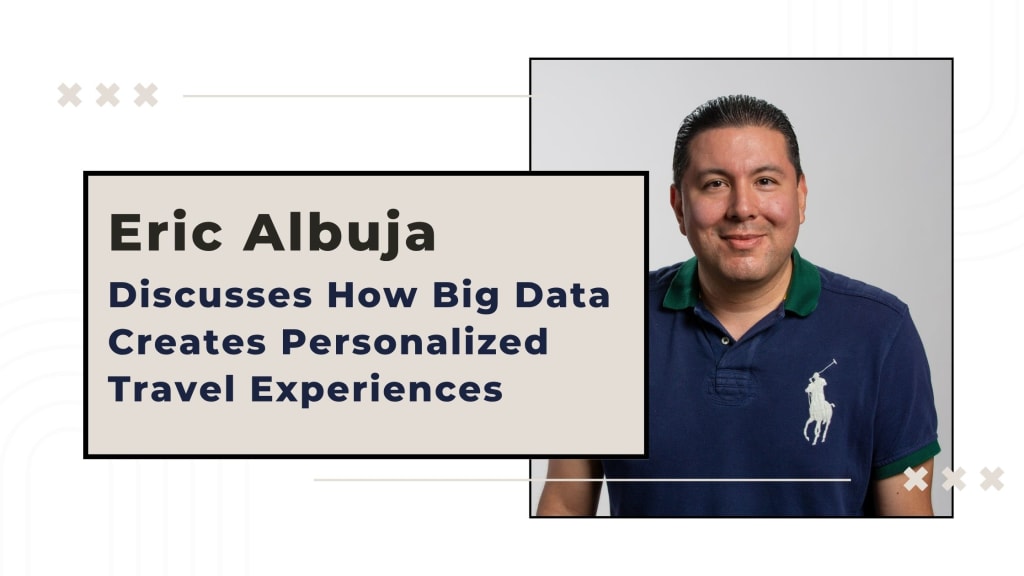
In today’s fast-paced world, travelers are seeking experiences that are tailored to their individual preferences. Big data is revolutionizing how the travel industry understands and serves its customers. Eric Albuja, a leading expert in travel technology, shares his insights on how big data enables personalized travel experiences, making trips more enjoyable and efficient for travelers worldwide.
Understanding Big Data in Travel
Big data refers to the massive volume of information generated daily by travelers, airlines, hotels, travel apps, and other sources. This data can include search history, booking patterns, social media activity, geolocation information, and customer feedback. While the sheer volume of data can be overwhelming, advanced analytics allows travel companies to transform this information into meaningful insights.
According to Eric Albuja, “Big data is not just about collecting information; it’s about using it smartly to understand travelers’ preferences, behaviors, and expectations.” By analyzing patterns and trends, travel companies can predict what a customer might want before they even know it themselves.
How Big Data Enhances Personalization
Personalization in travel is no longer a luxury—it has become a necessity. Travelers expect recommendations, offers, and services that align with their individual preferences. Big data plays a crucial role in achieving this level of personalization.
1. Tailored Travel Recommendations
By analyzing previous travel history and online behavior, travel platforms can suggest destinations, activities, and accommodations that suit each traveler. For instance, a family that frequently books beach vacations might receive recommendations for tropical resorts with family-friendly amenities. Similarly, solo travelers seeking adventure could be guided toward hiking trails, cultural experiences, or off-the-beaten-path destinations.
2. Dynamic Pricing and Offers
Eric Albuja highlights that big data enables dynamic pricing, allowing travelers to receive personalized offers based on their browsing and booking patterns. Airlines and hotels can optimize pricing to meet the expectations of different travelers. For example, a frequent business traveler may be offered flexible packages or loyalty discounts, while leisure travelers might see bundled deals for flights and accommodations.
3. Optimized Travel Itineraries
Big data allows travel companies to create itineraries tailored to individual preferences. By integrating data from multiple sources such as weather patterns, local events, and traveler reviews, platforms can suggest the best times to visit attractions, recommend hidden gems, and even predict the optimal travel routes. This reduces stress and enhances the overall travel experience.
4. Personalized Communication
Communication is another area where big data makes a significant impact. Travel companies can send personalized notifications, reminders, and updates based on a traveler’s profile. This could include flight reminders, hotel check-in instructions, local dining recommendations, or alerts about upcoming events. Eric Albuja notes that personalized communication not only improves customer satisfaction but also builds loyalty and trust.
The Role of AI and Machine Learning
Artificial intelligence (AI) and machine learning (ML) work hand-in-hand with big data to refine personalization. AI algorithms can process massive datasets in real-time, identifying patterns that would be impossible for humans to detect manually.
Eric Albuja explains, “Machine learning models continuously learn from traveler interactions. The more data they process, the better they become at predicting preferences and offering relevant recommendations.” This continuous improvement ensures that personalization is not static but evolves with the traveler’s changing tastes and needs.
Enhancing Customer Experience Through Insights
Big data doesn’t just help with recommendations and pricing; it also enables travel companies to improve the overall customer experience. By analyzing feedback, reviews, and social media mentions, companies can identify pain points and take corrective action.
For example, if data shows that travelers frequently complain about long check-in times at a hotel, management can implement process improvements or offer mobile check-in options. Similarly, airlines can use data insights to reduce delays, optimize baggage handling, and improve in-flight services.
Privacy and Ethical Considerations
While big data offers immense benefits, it also raises concerns about privacy and data security. Travelers expect their personal information to be handled responsibly. Eric Albuja emphasizes the importance of transparency and consent in data collection.
Travel companies must comply with regulations such as GDPR and other privacy standards. Collecting only the necessary data, anonymizing sensitive information, and allowing travelers to control their preferences are essential practices. Ethical use of big data not only ensures compliance but also strengthens trust between travelers and companies.
The Future of Personalized Travel
The potential of big data in travel is vast. Eric Albuja envisions a future where every aspect of a traveler’s journey can be personalized—from destination suggestions and in-flight entertainment to hotel amenities and local experiences.
Emerging technologies such as voice assistants, wearable devices, and augmented reality (AR) can further enhance personalization. For example, a traveler could receive real-time recommendations through a smart wearable device while exploring a new city, or AR applications could provide immersive, personalized tours of historic sites.
As technology advances, personalization will become more seamless and intuitive, creating travel experiences that feel unique and memorable for every individual.
Conclusion
Big data is transforming the travel industry by enabling personalization on a scale never seen before. Through tailored recommendations, dynamic pricing, optimized itineraries, and personalized communication, travelers can enjoy experiences that are customized to their preferences and needs.
Eric Albuja’s insights highlight the importance of combining big data with AI, machine learning, and ethical practices to create meaningful travel experiences. As the industry continues to embrace technology, personalized travel will become the standard, redefining how we explore the world.
By leveraging big data responsibly and creatively, travel companies can not only meet but exceed traveler expectations, making every journey truly unforgettable.
About the Creator
Flower Bloom 369
FLOWER Bloom 2/25/26 Wednesday By Mariann Carroll Karen had been with Tony for 7 years. Tony started acting strangely after her surgery. He would mow the lawn in the rain and be on his cellphone. He started pushing Karen away. Tony came clean about seeing someone. Karen moved out two months later. Karen moved in with a friend. She felt betrayed.
By Mariann Carroll5 days ago in Fiction



Comments
There are no comments for this story
Be the first to respond and start the conversation.