
SEO Isn’t Dead — It Just Changed: What a Conference Discussion with Ayub Ansary Reveals
Insights from a conference panel examining how search standards have shifted over the past decade.

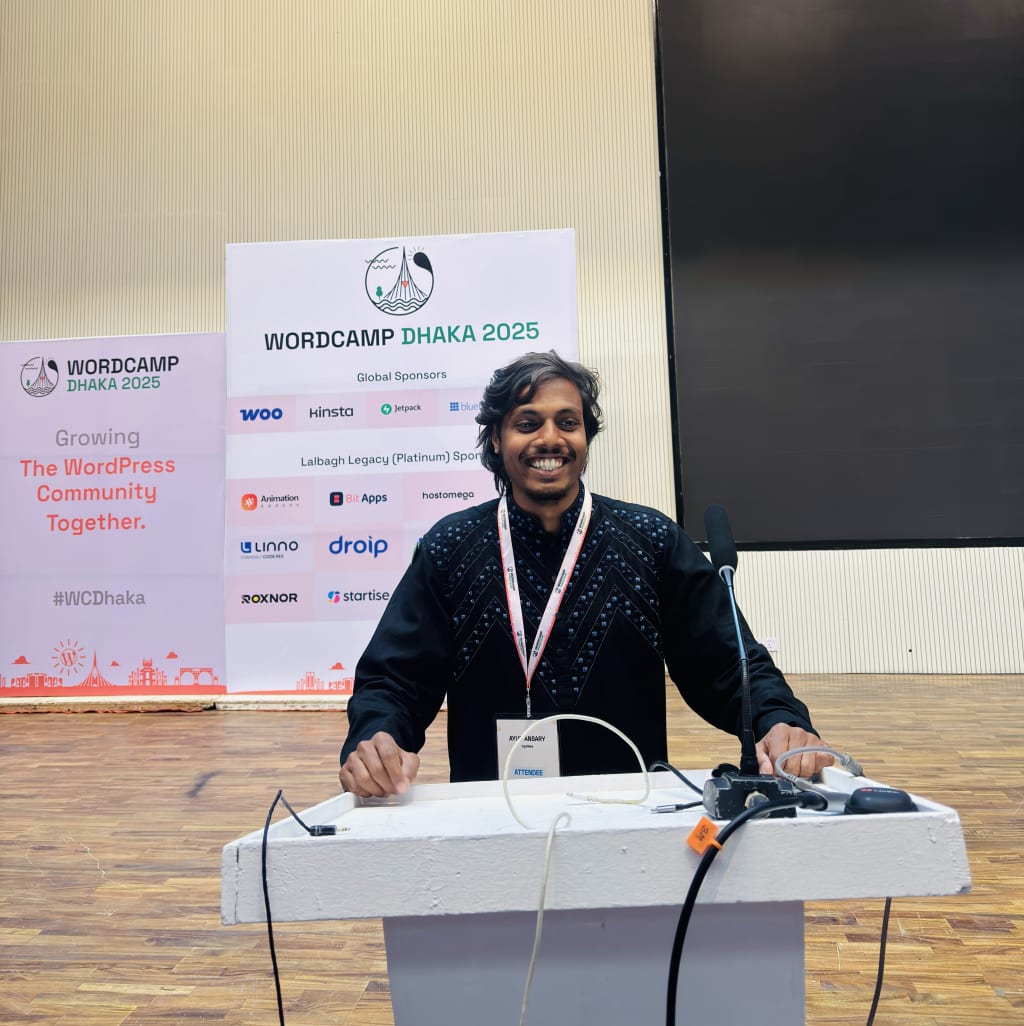
Predictions about the decline of search engine optimisation appear with regularity. Each major algorithm update, changes in search layouts, or the rise of AI-driven content production renew claims that organic visibility lost its place. A recent industry conference session featuring SEO strategist Ayub Ansary offered a measured response grounded in long-term data and field experience rather than speculation.
Search behaviour continues at scale. Billions of queries move through Google each day, and organic listings remain a primary route for users seeking information, services, and products. Independent industry studies consistently show organic results capturing a large share of clicks on non-branded searches. The conference discussion focused less on whether SEO still exists and more on how its standards shifted over time.
Data shared during the session highlighted a widening divide between approaches. Websites built around repetitive keyword usage and high-volume publishing showed significant volatility following major core updates. In several long-running projects referenced, traffic losses ranged between 35 and 60 percent within short periods. By contrast, sites organised around topic depth, internal structure, and clear intent alignment experienced smaller declines and faster stabilisation.
The discussion positioned SEO as a discipline shaped by clarity and performance rather than output volume. Search systems now evaluate how efficiently a site can be crawled, indexed, and understood before content scale plays a role. Improvements in crawl paths, page speed, and index control delivered measurable visibility gains. In multiple cases, impressions increased between 15 and 25 percent without publishing new pages, based purely on technical corrections.
Panel Discussion: Host in Conversation with Ayub Ansary
Host:
SEO faces repeated claims of decline. Why does this idea persist?
Ayub Ansary:
It usually appears after disruption. Rankings change, traffic drops, and people assume the channel stopped working. Search demand stayed consistent. What stopped working were methods built for older systems.
Host:
What metrics carry the strongest signal after observing SEO for a decade?
Ayub Ansary:
Impressions and query coverage reveal more than single ranking positions. Search Console data shows sustained growth when pages address entire intent groups rather than isolated terms. Pages answering broader questions gain visibility across hundreds of related searches.
Host:
How much weight does technical SEO hold today?
Ayub Ansary:
A measurable amount. Crawl efficiency, page performance, and internal linking affect visibility before content quality enters the picture. Resolving index bloat alone produced double-digit growth across several sites.
Host:
AI-generated content appears at scale. How does search react?
Ayub Ansary:
AI increased supply, not demand. Automated pages often gain early exposure, then lose average position over time. Pages built from firsthand experience show stronger engagement metrics and steadier visibility.
Host:
Did local search alter competitive dynamics?
Ayub Ansary:
Yes. Location-based queries drive high-intent actions. Businesses with accurate listings, review activity, and location-specific pages outperform competitors with higher link counts but weaker local signals.
Host:
What mistake continues to affect organic performance?
Ayub Ansary:
Short-term thinking. SEO growth compounds. Consistent refinement outperforms bursts of activity aimed at quick gains.
Beyond tactical discussion, the panel highlighted a broader shift in how search success is defined. SEO no longer operates in isolation. Visibility ties directly to brand credibility, site reliability, and user experience. Search engines reduced tolerance for pages that exist purely to rank without delivering value.
Engagement metrics reinforce this direction. Pages with clear structure, direct answers, and original insight retain stronger performance signals such as longer dwell time and repeat query coverage. Search systems continue to prioritise reliability and relevance over scale.
Local search emerged as a central theme for businesses focused on measurable outcomes. Geo-modified queries account for a growing share of conversions in service-based sectors. Proximity, relevance, and review credibility shape rankings in ways that traditional link-focused strategies cannot offset.
The conference discussion avoided predictions of collapse or reinvention. Instead, it framed SEO as a maturing channel shaped by refinement. Each update filters inefficiencies rather than eliminating opportunity. Professionals adapting to search behaviour, performance signals, and data trends remain visible.
Verdict
The session concluded with a clear message. SEO did not disappear. Standards rose. Search rewards clarity, structure, and trust while removing space for shortcuts. Long-term data supports this shift across multiple industries and regions.
Organic search remains a stable acquisition channel for brands willing to work with data, patience, and relevance. The channel filtered outdated practices and strengthened those aligned with user intent.
About the Creator
Muhammad Al Arabi
I'm Muhammad Al Arabi, a UI/UX designer with a passion for creating intuitive, user-centered digital experiences. I focus on designing clean, functional interfaces that balance user needs with business goals.
Keep reading
More stories from Muhammad Al Arabi and writers in Journal and other communities.
7 Questions With Ayub Ansary on AI, LLMs, SEO and User Experience
Search is no longer a quiet exchange between a query and a list of links. It is becoming a conversation, mediated by large language models that decide what to explain, what to omit, and which sources deserve attention. For businesses, publishers, and product teams, this shift raises hard questions about visibility, trust, and relevance.
By Muhammad Al Arabi27 days ago in Journal
The 5 AM Myth: Why I Trashed My Alarm Clock to Finally Find My Edge
The blue light of the smartphone screen felt like a laser beam hitting my retinas at 4:58 AM. Outside my window, the world was a bruised purple—silent, freezing, and utterly indifferent to my "ambition."
By George Evan7 days ago in Journal



Comments