
Say Good Bye to Knee Pain:Effective Treatment Options
Knee pain treatment

Introduction:
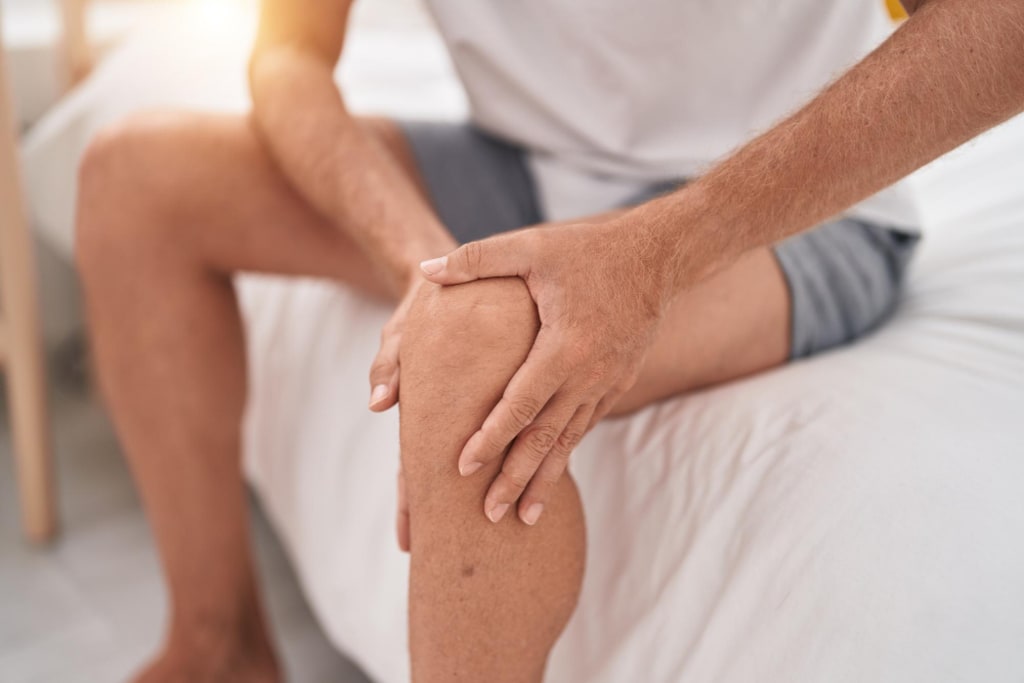
Knee pain is a common ailment that affects people of all ages, genders, and lifestyles. It can be caused by a variety of factors, including injuries, arthritis, and overuse. Knee pain can significantly impact a person's quality of life, making it difficult to perform daily activities and even affecting their mental health. Fortunately, there are several effective treatment options available to relieve knee pain.
In this article, we will discuss the different treatment options for knee pain, their effectiveness, and their benefits and risks.
Rest and Ice:
One of the simplest and most effective treatments for knee pain is rest and ice. This treatment involves taking a break from activities that cause pain and swelling and applying ice to the affected area for 15-20 minutes every 2-3 hours. Rest and ice help reduce inflammation and swelling, which in turn can relieve pain.
Rest and ice are effective treatments for minor knee pain caused by overuse or minor injuries. However, if knee pain is severe or persistent, it is important to consult a doctor to rule out more serious conditions.
Physical Therapy:
Physical therapy is an effective treatment option for knee pain caused by injuries, arthritis, or other conditions. Physical therapists can design a customized exercise program to help relieve pain, increase range of motion, and improve strength and flexibility in the knee joint.
Physical therapy may also involve the use of heat or cold therapy, massage, and other techniques to reduce inflammation and relieve pain.
Physical therapy is a safe and effective treatment option for most people with knee pain. However, it is important to work with a licensed and experienced physical therapist to ensure that the exercise program is appropriate for your individual needs.
Medications:
Several medications can be used to treat knee pain, including over-the-counter pain relievers such as acetaminophen and nonsteroidal anti-inflammatory drugs (NSAIDs) like ibuprofen and naproxen.
Prescription medications, such as corticosteroids and opioids, may also be used to treat knee pain in certain cases.
Medications can be effective for short-term relief of knee pain, but they may not address the underlying cause of the pain. Long-term use of certain medications, such as opioids, can also be associated with significant risks and side effects.
Injections:
Injections of corticosteroids or hyaluronic acid can be used to relieve knee pain caused by arthritis or other conditions. Corticosteroid injections help reduce inflammation and relieve pain, while hyaluronic acid injections help lubricate the joint and reduce friction.
Injections can be a safe and effective treatment option for knee pain, but they may not be suitable for everyone. Injections are typically administered by a doctor and may cause temporary pain or swelling at the injection site.
Surgery:
In cases where other treatments have not been effective, surgery may be recommended to treat knee pain. Surgery can involve repairing or replacing damaged cartilage or other structures in the knee joint.
Surgery can be an effective treatment option for severe knee pain, but it is also associated with significant risks and a long recovery time. Surgery is typically considered a last resort after other treatments have failed.
Conclusion:
Knee pain can be a debilitating condition that can significantly impact a person's quality of life. Fortunately, there are several effective treatment options available to relieve knee pain, including rest and ice, physical therapy, medications, injections, and surgery.
The best option for treating knee pain will depend on the underlying cause of the pain, the severity of the pain, and the individual's overall health and lifestyle. It is important to work with a doctor or other healthcare provider to determine the most appropriate treatment plan for your individual needs.
About the Creator
ler magazine
Welcome to Lower Extremity Review or LER. This long awaited magazine fills the lower extremity information gap for practitioners in the fields of Podiatry, Physical Therapy, O&P Pedorthics, and Orthopedics.
Keep reading
More stories from ler magazine and writers in Journal and other communities.
The Importance of Choosing the Right Diabetic Footwear
Introduction: Diabetes is a chronic condition that affects millions of people worldwide. It is characterized by high blood sugar levels, which can lead to a variety of complications, including nerve damage and poor circulation. One of the most common complications of diabetes is foot problems, including ulcers, infections, and amputations. Proper footwear is essential for individuals with diabetes to prevent these complications. In this comprehensive guide, we will explore the importance of choosing the right diabetic footwear for your comfort, how it works, and the different types of diabetic shoes available.
By ler magazine3 years ago in Journal
The goals I did not achieve
Every writing goal I made for the year is a wash. It has been this way for a while, but I think it's important to be open about my failures and the reality of how life can get in the way. This is especially true considering the several times I have posted on Vocal about my writing goals, how I was changing my approach, and where I was hoping to be for the upcoming year. I will probably do that again in a couple months, but for now, it is time to acknowledge where I am today.
By Kay Husnick24 days ago in Journal
Why Kindred Spirit Connections Feel Calm Instead of Intense.
Kindred spirit connections are unique soul-level relationships marked by resonance, understanding, and emotional ease. Unlike romanticized or karmic connections, which often involve drama, high intensity, and emotional turbulence, kindred spirit relationships feel calm, peaceful, and aligned. Understanding why these connections create serenity rather than intensity can help you recognize, nurture, and maintain relationships that truly support your growth and well-being.
By Wilson Igbasi7 days ago in Journal



Comments
There are no comments for this story
Be the first to respond and start the conversation.