
RUSSIA Vs UKRAIN WAR
Economic And Political Implications To World

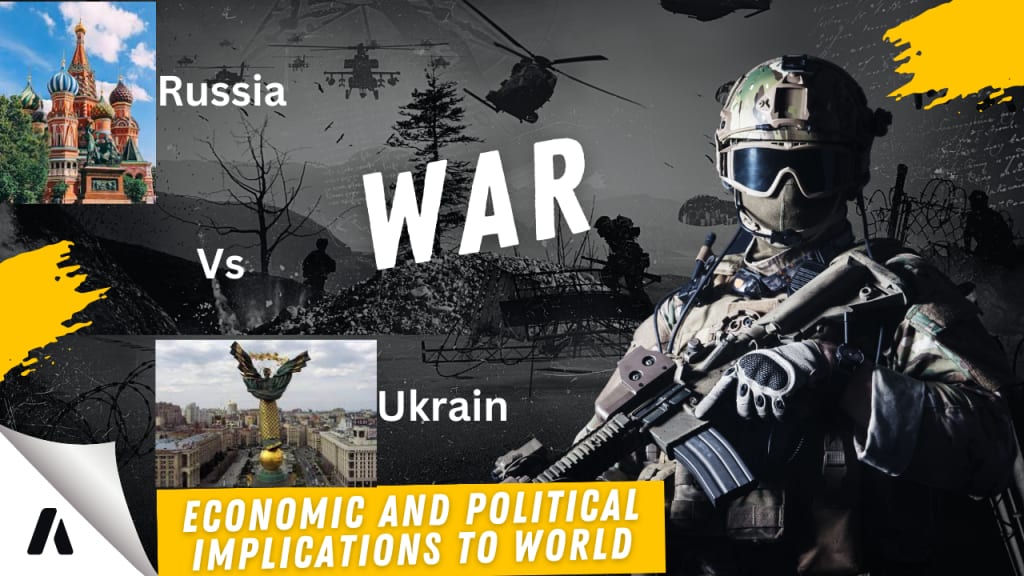
The ongoing Russia-Ukraine conflict has been a source of tension and instability in Eastern Europe since its inception in 2014. The conflict started as a result of the Euromaidan protests in Ukraine, which led to the ousting of the country's pro-Russian president, Viktor Yanukovych. Russia, which has long-standing economic and political ties with Ukraine, saw this as a threat to its strategic interests and annexed the Crimean Peninsula in Ukraine. The annexation of Crimea and the subsequent conflict in Eastern Ukraine have had significant implications for the world economy.
One of the immediate impacts of the conflict was the imposition of economic sanctions on Russia by Western countries. The United States, the European Union, and other countries-imposed sanctions on Russia, targeting its energy, financial, and defense sectors. These sanctions have had a significant impact on the Russian economy, which relies heavily on oil and gas exports. The sanctions have made it difficult for Russia to access Western financing and technology, and have led to a sharp decline in the value of the ruble. The Russian economy has been in recession since 2014, with GDP falling by 3.7% in 2015 and 0.2% in 2016. Inflation has also been high, averaging 12.9% in 2015 and 6.5% in 2016.
The sanctions have also had a significant impact on the European economy, which has close economic ties with Russia. The EU is one of Russia's largest trading partners, with Russia accounting for 10% of the EU's total imports and exports. The sanctions have led to a decline in trade between the two regions, with EU exports to Russia falling by 19% in 2015 and 14% in 2016. The decline in trade has had a significant impact on the EU economy, particularly in countries such as Germany, which has strong economic ties with Russia.
In addition to the economic impact of the sanctions, the conflict has also led to a decline in investor confidence in the region. The conflict has created uncertainty about the stability of the region, leading to a decline in foreign investment. This has had a significant impact on the economies of Ukraine and Russia, which are heavily dependent on foreign investment. The decline in investment has led to a decline in economic growth in both countries, with Ukraine's GDP falling by 6.6% in 2014 and 12.8% in 2015.
The conflict has also had a significant impact on the global energy market. Russia is one of the world's largest producers of oil and gas, and the conflict has led to concerns about the stability of the global energy market. The sanctions imposed on Russia have made it difficult for the country to access Western technology and financing, leading to a decline in its oil and gas production. This has led to a decline in the global supply of oil and gas, which has contributed to higher prices. The conflict has also led to concerns about the stability of gas supplies to Europe, which relies heavily on Russian gas.
The conflict has also had implications for the global political landscape. The annexation of Crimea has been condemned by Western countries, leading to a deterioration in relations between Russia and the West. The conflict has also led to concerns about the stability of the region, with some analysts warning that the conflict could escalate into a larger regional conflict. The conflict has also raised concerns about the use of force in international relations, with some analysts arguing that Russia's actions have violated international law.
In conclusion, the ongoing Russia-Ukraine conflict has had significant implications for the world economy. The imposition of sanctions on Russia has had a significant impact on the Russian economy, as well as on the economies of countries with close economic ties with Russia, such as the EU. The conflict
has also led to a decline in investor confidence and foreign investment in the region, leading to a decline in economic growth in both Ukraine and Russia. The conflict has also had implications for the global energy market, leading to concerns about the stability of the global energy supply and the reliability of gas supplies to Europe. Moreover, the conflict has contributed to the deterioration of relations between Russia and the West, and raised concerns about the use of force in international relations.
The imposition of sanctions on Russia has been one of the most significant economic impacts of the conflict. The sanctions have targeted key sectors of the Russian economy, including energy, finance, and defense. The energy sector has been particularly affected, with restrictions on the export of oil and gas technology and equipment, and the prohibition of Western companies from investing in Russian energy projects. This has made it difficult for Russia to access technology and financing, leading to a decline in its energy production.
The sanctions have also had a significant impact on the Russian financial sector. The restrictions on access to Western financing and the freeze on Russian assets have made it difficult for Russian companies to access capital and finance their operations. This has led to a decline in investment and a decrease in economic growth. The sanctions have also led to a decline in the value of the ruble, making it more difficult for Russian companies to import goods and services.
The decline in economic growth in Russia has had a spillover effect on the economies of countries with close economic ties to Russia, particularly in the EU. The decline in trade between Russia and the EU has had a significant impact on the EU economy, particularly in countries such as Germany, which has strong economic ties with Russia. The decline in trade has led to a decline in economic growth and has had a negative impact on employment.
The conflict has also had implications for the global energy market. Russia is one of the world's largest producers of oil and gas, and the conflict has raised concerns about the stability of the global energy supply. The decline in Russia's energy production has led to a decline in the global supply of oil and gas, contributing to higher prices. The conflict has also raised concerns about the reliability of gas supplies to Europe, which relies heavily on Russian gas. The disruption of gas supplies to Europe could have significant economic implications, particularly for countries that rely heavily on Russian gas.
The conflict has also had implications for the global political landscape. The annexation of Crimea by Russia has been condemned by Western countries, leading to a deterioration in relations between Russia and the West. The conflict has also raised concerns about the stability of the region, with some analysts warning that the conflict could escalate into a larger regional conflict. The conflict has also raised concerns about the use of force in international relations, with some analysts arguing that Russia's actions have violated international law.
In conclusion, the ongoing Russia-Ukraine conflict has had significant economic implications, particularly in terms of the imposition of sanctions on Russia and the decline in trade and investment in the region. The conflict has also had implications for the global energy market, with concerns about the stability of the global energy supply and the reliability of gas supplies to Europe. The conflict has contributed to the deterioration of relations between Russia and the West, and raised concerns about the use of force in international relations. The conflict remains a source of tension and instability in the region and has the potential to have further economic and political implications in the future.
About the Creator
MANOJ KUMAR
Never Stop Dreaming: A true inspiration for anyone looking to turn their dreams into reality. From a humble background to a millionaire, my journey is a testament to the power of hard work, dedication, and an unbreakable spirit
Keep reading
More stories from MANOJ KUMAR and writers in Journal and other communities.
CRICKET WORLD CUP
Cricket is one of the most beloved sports in the world, and the Cricket World Cup is one of the biggest events in the cricketing calendar. Every four years, cricket fans from all around the world gather to witness the top cricketing nations compete for the ultimate prize in the sport. The next edition of the Cricket World Cup is set to take place in India in 2023, and it promises to be an exciting event for fans and players alike.
By MANOJ KUMAR3 years ago in Journal



Comments
There are no comments for this story
Be the first to respond and start the conversation.