
Running Gear Market: An In-Depth Analysis
The running gear market has experienced significant growth over the past decade, driven by a surge in health consciousness and the popularity of running as a fitness activity.

Overview of the Running Gear Market
The running gear market has experienced significant growth over the past decade, driven by a surge in health consciousness and the popularity of running as a fitness activity. This market encompasses a wide range of products, including footwear, apparel, accessories, and technology designed to enhance the running experience. As consumers become more discerning about their gear, brands are innovating to meet their needs, resulting in a dynamic and competitive landscape.
What is Running Gear?
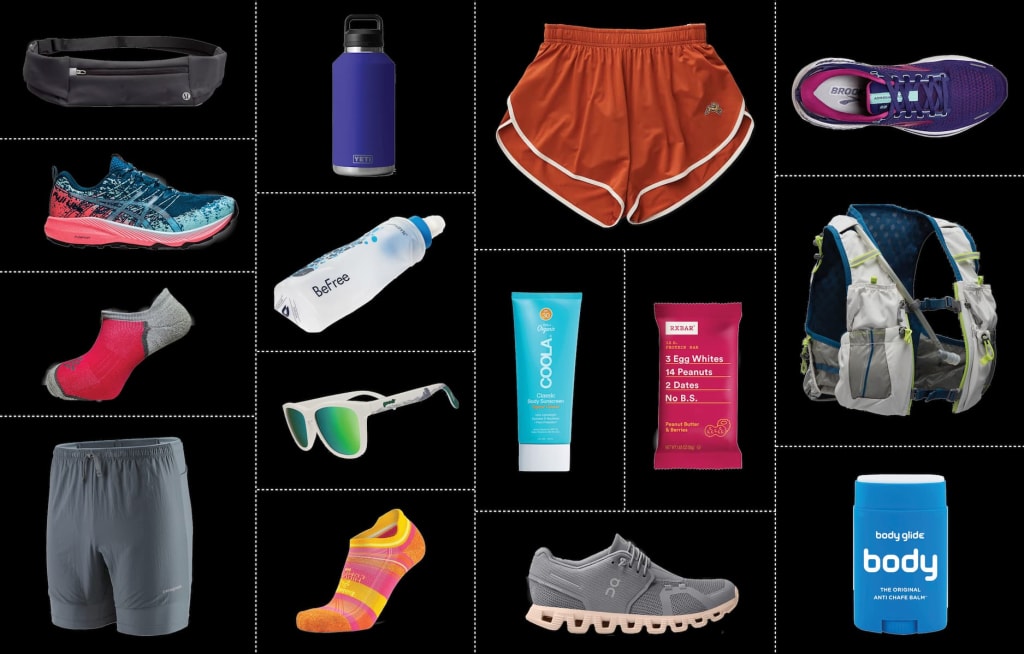
Running gear refers to the various products designed specifically for runners. This includes:
- Footwear: Running shoes designed for different terrains and running styles.
- Apparel: Clothing such as shorts, shirts, tights, and jackets made from moisture-wicking and breathable materials.
- Accessories: Items like hydration packs, running belts, watches, and headphones that enhance the running experience.
- Technology: Wearable devices and apps that track performance metrics and provide feedback.
Together, these products contribute to a comprehensive running experience, allowing enthusiasts to perform at their best while minimizing injury risks.
Key Trends in the Running Gear Market
- Sustainability
The demand for sustainable running gear is growing as consumers prioritize eco-friendly products. Brands are adopting materials like recycled plastics, organic cotton, and biodegradable fabrics to reduce environmental impact. For example, Adidas has introduced shoes made from ocean plastic, while other companies are using plant-based dyes and low-waste manufacturing processes. These initiatives not only appeal to environmentally conscious runners but also align with global sustainability goals. As awareness increases, more brands are expected to adopt greener practices to stay competitive in the market.
- Technological Integration
Wearable technology is revolutionizing running gear by providing real-time performance insights. Smartwatches, fitness trackers, and sensor-equipped shoes monitor metrics like heart rate, pace, and running form, helping athletes optimize training. Brands like Garmin and Fitbit lead with advanced features such as GPS tracking and recovery analysis. Additionally, AI-powered apps offer personalized coaching, making tech-integrated gear essential for serious runners. As innovation continues, expect even smarter devices that seamlessly blend functionality with user convenience.
- Customization and Personalization
Personalized running gear is gaining popularity as consumers seek unique, tailored experiences. Brands now offer customizable shoes, allowing runners to choose colors, materials, and even sole types for optimal fit. Apps provide individualized training plans, while 3D printing enables bespoke footwear designs. Nike’s customization platform, for instance, lets customers design their own sneakers. This trend enhances engagement, satisfaction, and performance, driving brands to expand their personalization options to meet diverse consumer preferences.
- Rise of Athleisure
Athleisure continues to influence running gear, blurring the lines between workout and casual wear. Consumers prefer versatile, stylish apparel that transitions seamlessly from the gym to daily life. Running brands are responding with sleek, functional designs featuring moisture-wicking fabrics and minimalist aesthetics. High-demand items include joggers, hoodies, and hybrid shoes that combine performance with fashion. This trend reflects a broader shift toward comfort and functionality, ensuring athleisure remains a dominant force in the running market.
- Growth of Online Retail
The running gear market is increasingly shifting to online retail, offering convenience, variety, and competitive pricing. E-commerce platforms enable consumers to compare products, read reviews, and access exclusive deals. Brands are enhancing their digital presence through social media marketing, virtual try-ons, and AI-driven recommendations. Direct-to-consumer models and subscription services are also rising, providing personalized shopping experiences. As online sales grow, retailers are investing in seamless logistics and customer service to meet evolving consumer expectations.
Regulatory Landscape
The running gear market is subject to various regulations aimed at ensuring product safety and quality. Key regulations include:
- Consumer Product Safety Improvement Act (CPSIA): This U.S. law mandates the testing and certification of children's products, including running gear designed for kids.
- REACH Regulation: In the European Union, this regulation governs the use of chemicals in products, impacting the materials used in running gear.
- ISO Standards: The International Organization for Standardization (ISO) sets guidelines for footwear and apparel, ensuring products meet safety and performance benchmarks.
Brands must navigate these regulations to ensure compliance, which can be a challenge, especially for smaller companies.
Market Growth
According to IMARC Group, The global running gear market size reached USD 44.2 Billion in 2024. Looking forward, IMARC Group expects the market to reach USD 69.9 Billion by 2033, exhibiting a growth rate (CAGR) of 5.18% during 2025-2033.
- Increasing Health Awareness: As more people prioritize fitness, the demand for running gear is expected to rise. The COVID-19 pandemic has further accelerated this trend, with many individuals turning to running as a safe form of exercise.
- Emergence of New Markets: Developing countries are witnessing a rise in running participation, driven by urbanization and increased disposable income. This presents new opportunities for brands to expand their reach.
- Sponsorship and Events: Major running events and sponsorships by brands help promote running as a sport, encouraging participation and driving sales of running gear.
Challenges in the Running Gear Market
Despite its growth potential, the running gear market faces several challenges:
- Intense Competition
The running gear market is fiercely competitive, with both established giants like Nike and Adidas and emerging brands battling for market share. This rivalry pushes companies to innovate with new technologies and designs but also leads to aggressive pricing strategies that squeeze profit margins. Smaller, niche brands often focus on specialized products to differentiate themselves, while larger brands leverage their scale and marketing power. To stay ahead, companies must continuously invest in product development and brand loyalty initiatives.
- Supply Chain Disruptions
Global supply chain challenges, such as those caused by the COVID-19 pandemic, have significantly impacted the running gear industry. Delays in raw material procurement, manufacturing, and logistics disrupt production timelines, leading to inventory shortages. These issues can frustrate consumers and result in lost sales opportunities. Brands are now diversifying suppliers, increasing local production, and adopting digital tools for better supply chain visibility to mitigate future risks and ensure smoother operations.
- Changing Consumer Preferences
Keeping up with shifting consumer demands is a major challenge for running gear brands. Trends like sustainability, customization, and athleisure require constant adaptation, forcing companies to invest heavily in market research and agile product development. Brands that fail to anticipate or respond to these changes risk losing relevance. Successful companies leverage data analytics and consumer feedback to refine their offerings, ensuring they meet evolving expectations while maintaining a competitive edge in the market.
- Economic Factors
Economic instability, such as recessions or inflation, can reduce discretionary spending on running gear. During downturns, consumers prioritize essential purchases, leading to slower sales for premium athletic products. Brands must adjust by offering budget-friendly options, promotions, or value-added services to retain customers. Additionally, focusing on e-commerce and direct-to-consumer channels can help mitigate losses from reduced in-store traffic, ensuring resilience in uncertain economic climates.
Future Opportunities
The future of the running gear market is promising, with several opportunities for growth:
- Expansion into Emerging Markets
The running gear industry has significant growth potential in emerging markets, where rising disposable incomes and increasing health awareness are driving demand. Brands can succeed by adapting products to local climates, cultural preferences, and price sensitivities. Strategic partnerships with regional retailers and targeted digital marketing can enhance market penetration. Additionally, sponsoring local running events and athletes helps build credibility. By prioritizing accessibility and relevance, companies can establish a loyal customer base in these high-growth regions.
- Focus on Health and Wellness
With health-conscious consumers seeking performance-enhancing gear, brands can differentiate themselves by prioritizing injury prevention and comfort. Innovations like cushioned midsoles, breathable fabrics, and ergonomic designs cater to runners’ long-term well-being. Educational content on proper running techniques and recovery further strengthens brand trust. By aligning with the broader wellness movement, companies can position their products as essential tools for a healthier lifestyle, appealing to both amateur and professional athletes.
- Collaboration with Technology Companies
Partnerships between running gear brands and tech firms can yield cutting-edge products, such as smart shoes with gait analysis or apparel with biometric tracking. These collaborations merge athletic performance with data-driven insights, offering consumers personalized feedback. Tech integrations also create opportunities for app-based ecosystems, fostering long-term engagement. By leveraging each other’s expertise, brands can stay ahead of trends and deliver innovative solutions that meet the evolving needs of modern runners.
- Community Engagement
Creating a strong running community enhances brand loyalty and fosters emotional connections. Hosting local races, virtual challenges, and training workshops encourages participation and engagement. Online platforms, like social media groups or branded apps, allow runners to share experiences and advice. By positioning themselves as more than just product providers but as enablers of a running lifestyle brands can cultivate dedicated followers who advocate for their products organically.
Conclusion
The running gear market is poised for continued growth, driven by trends in sustainability, technology, and health consciousness. While challenges such as competition and supply chain disruptions exist, the opportunities for innovation and expansion are vast. Brands that adapt to changing consumer preferences and invest in community engagement will likely thrive in this dynamic market. As running continues to gain popularity worldwide, the running gear market is set to evolve, offering exciting prospects for both established and emerging brands.
About the Creator
Jeffrey Wilson
Hello, I’m Jeffrey Wilson, a market research specialist with over 9 years of experience in uncovering consumer insights and driving data-backed strategies.
Keep reading
More stories from Jeffrey Wilson and writers in Journal and other communities.


Comments
There are no comments for this story
Be the first to respond and start the conversation.