
Rubber Tyred Gantry Crane: Compact Design for Limited-Height Warehouses
Maximizing Storage and Efficiency in Low-Clearance Warehouses
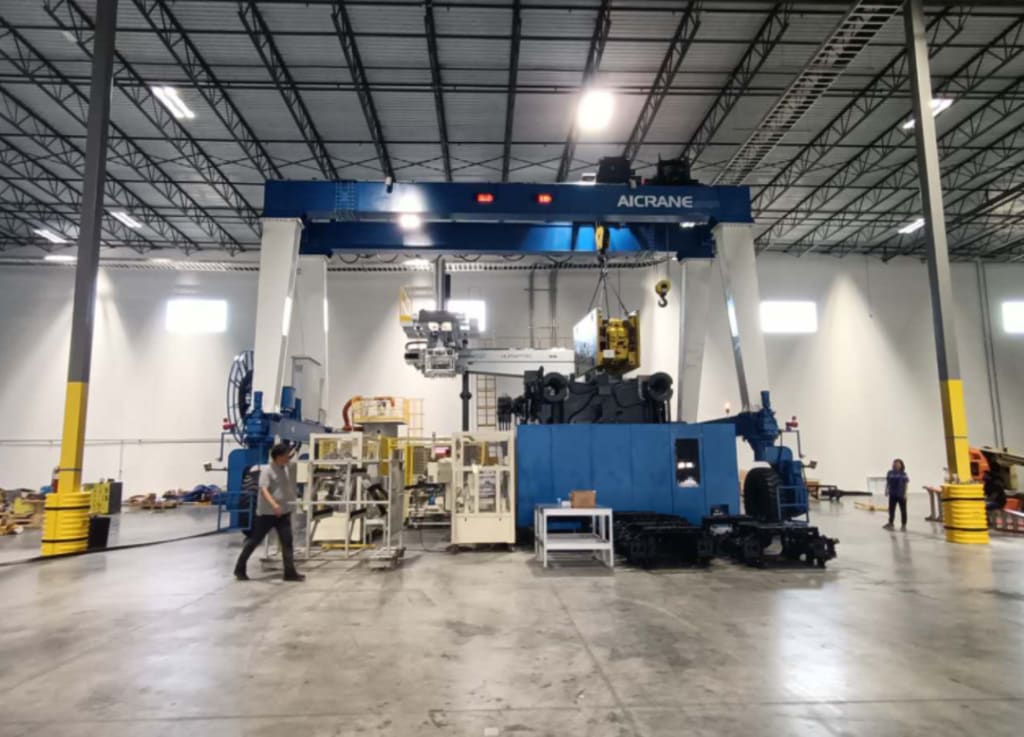
In modern industrial operations, the optimization of warehouse space is more crucial than ever. With the rising costs of real estate and the increasing demand for efficient material handling, businesses are constantly seeking solutions that maximize storage capacity while ensuring operational safety and productivity. Rubber Tyred Gantry (RTG) cranes, traditionally used in container yards and heavy-duty outdoor lifting operations, have evolved to meet these requirements through compact designs suitable for limited-height warehouses.
Understanding Rubber Tyred Gantry Cranes
Rubber Tyred Gantry cranes are mobile cranes equipped with rubber tires that allow them to move freely across a defined surface, unlike rail-mounted gantry cranes. Their mobility, combined with the ability to lift heavy loads, makes them ideal for environments where flexibility is a critical requirement. Historically, RTG rubber tyred gantry cranes have been deployed in port terminals for container stacking and cargo handling, but advances in crane design have enabled their adoption in indoor warehouses, particularly those with height limitations.
Challenges of Limited-Height Warehouses
Limited-height warehouses, often referred to as low-clearance facilities, present unique challenges for material handling. Standard overhead cranes or high-rise stackers may be impractical due to restricted vertical space. These warehouses typically require lifting equipment that can navigate confined environments while maintaining sufficient lifting capacity. Additionally, warehouses storing bulky, heavy, or irregularly shaped goods cannot rely solely on forklifts or automated storage solutions, as these may lack the necessary load-bearing capabilities.
Compact RTG Cranes: A Design Innovation
To address these challenges, manufacturers have developed compact RTG cranes specifically engineered for low-clearance warehouses. The key features of these compact designs include:
Reduced Overall Height: By optimizing the crane’s structural components and hoisting mechanism, compact RTG cranes achieve lower overall heights without sacrificing lifting capacity. This allows the crane to operate safely within warehouses that have limited headroom.
Optimized Beam and Girder Design: Using high-strength steel and advanced engineering techniques, the girder and trolley systems of these cranes are designed to maintain stability and rigidity even with reduced height. This ensures safety during lifting and precise handling of materials.
Mobility in Confined Spaces: Compact RTG cranes retain the signature rubber-tyred mobility, enabling them to maneuver efficiently in narrow aisles and restricted warehouse layouts. The tires provide smooth operation over concrete floors, reducing wear on both the crane and the surface.
Customizable Lifting Configurations: Depending on the warehouse’s requirements, compact RTG cranes can be customized with single or double girder setups, variable lifting heights, and adjustable span widths. This flexibility allows operators to tailor the crane to their unique storage and operational needs.
Advantages of Compact RTG Cranes in Low-Clearance Warehouses
The adoption of compact RTG cranes in limited-height warehouses offers several notable advantages:
1. Maximized Storage Efficiency
By utilizing a crane with a low profile, warehouses can maximize vertical storage space. Compact RTG cranes can lift goods to the maximum permissible height without interference, allowing for denser stacking and improved inventory management. This is particularly beneficial in warehouses storing containers, pallets, or heavy machinery parts where vertical space is often underutilized.
2. Enhanced Operational Flexibility
Unlike fixed-rail or monorail systems, RTG cranes are not constrained to a single track. Their rubber-tyred design enables flexible movement across the warehouse floor, allowing operators to reposition loads easily and handle multiple storage areas without additional infrastructure investment.
3. Cost-Effective Installation
Installing a conventional overhead crane in a limited-height warehouse may require extensive structural modifications or reinforced ceiling supports. In contrast, compact RTG cranes are largely self-supporting and can often operate within existing warehouse structures without major modifications, significantly reducing installation costs and downtime.
4. Improved Safety and Precision
Modern compact RTG cranes are equipped with advanced control systems, including remote operation, anti-sway technology, and load sensors. These features ensure safe handling of heavy loads, reduce the risk of accidents, and provide precise positioning even in tight spaces. In environments where worker safety is critical, such technology enhances confidence and reduces operational hazards.
5. Eco-Friendly and Energy-Efficient Options
Manufacturers increasingly offer electric or hybrid compact RTG cranes that reduce emissions and energy consumption. In indoor warehouses, electric models are especially advantageous as they eliminate exhaust fumes, ensuring compliance with indoor air quality standards while lowering operational costs over time.
Applications Across Industries
Compact RTG cranes are suitable for a wide range of industries. In logistics and distribution centers, they streamline the movement of large pallets and containers. In manufacturing facilities, they facilitate the transport of heavy machinery components, metal sheets, or industrial parts. Even in retail warehouses handling high-volume seasonal goods, these warehouse gantry cranes improve throughput and minimize the risk of damage during handling.
Factors to Consider When Choosing a Compact RTG Crane
Selecting the right compact RTG crane involves careful consideration of several factors:
Warehouse Height and Clearance: Measure the available headroom to ensure the crane’s overall height is compatible with the space.
Lifting Capacity: Determine the maximum load the crane will handle regularly. Choosing a crane with appropriate lifting capacity ensures safety and durability.
Span Width: The distance between the crane’s supporting beams must accommodate the warehouse layout and storage configuration.
Mobility Requirements: Consider whether the crane needs to travel long distances or maneuver through narrow aisles.
Control and Automation: Decide between manual, semi-automated, or fully automated operation based on operational needs, workforce skill, and budget.
Maintenance and Support: Evaluate the manufacturer’s after-sales support and the availability of spare parts. Regular maintenance ensures long-term reliability and safety.
Conclusion
The evolution of Rubber Tyred Gantry cranes into compact designs for limited-height warehouses represents a significant advancement in material handling technology. By combining mobility, lifting capacity, and a reduced structural footprint, these cranes allow businesses to maximize storage efficiency without compromising safety or operational performance.
For warehouse operators facing space constraints, investing in a compact RTG crane is a strategic decision that enhances flexibility, improves workflow, and reduces long-term costs associated with inefficient material handling. As industrial operations continue to demand higher throughput within limited spaces, compact RTG cranes are poised to become a critical component of modern warehouse infrastructure.
With careful selection, customization, and maintenance, compact RTG cranes provide a sustainable, safe, and efficient solution for warehouses that cannot afford to compromise on height or operational capability.
About the Creator
Aicrane01
Welcome to the Aicrane Blog, your practical guide to lifting solutions. Discover articles covering overhead cranes, gantry cranes, winches, steel structures, boat lifts, and more.
Website: https://steelmillcranes.com/



Comments
There are no comments for this story
Be the first to respond and start the conversation.