
Revolutionize Facility Management with CAFM Software
Discover how Computer-Aided Facility Management (CAFM) software transforms operations, boosts efficiency, and empowers smarter decision-making for modern facilities.
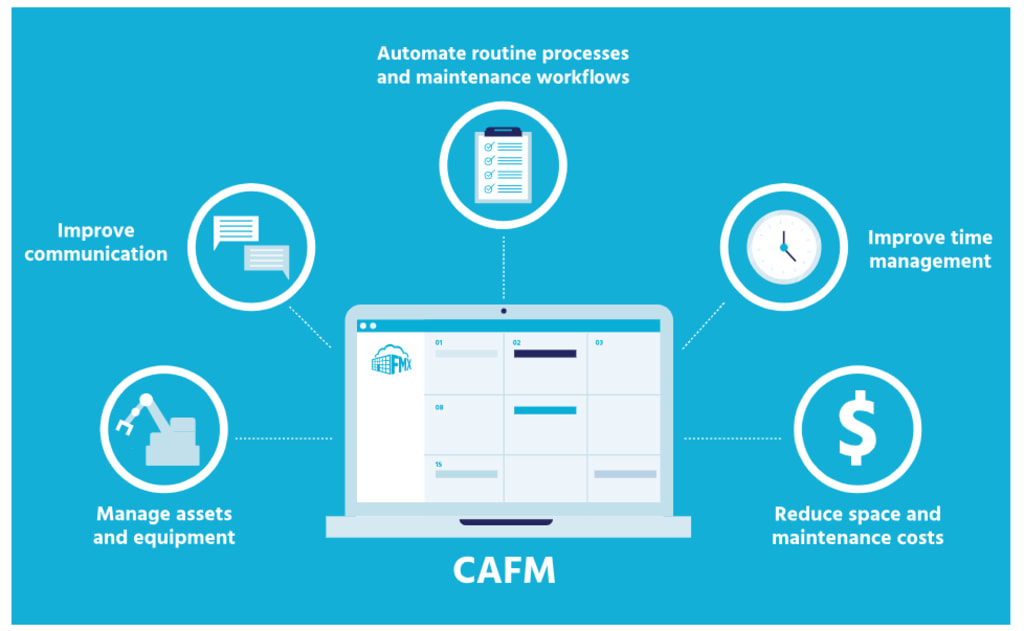
In today's fast-paced, tech-driven world, efficient management of facilities has never been more crucial. Companies of all sizes are turning to Computer-Aided Facility Management (CAFM) software to streamline operations, reduce costs, and enhance productivity. Whether you manage a corporate campus, a university, a hospital, or a real estate portfolio, CAFM software can be a game-changer.
What Is CAFM Software?
CAFM software is a suite of digital tools designed to help facility managers plan, execute, and monitor all aspects of facility management. From space planning and asset tracking to maintenance scheduling and real-time analytics, CAFM platforms provide a centralized system that enhances control and visibility over your physical assets.
Unlike traditional spreadsheets or siloed systems, CAFM software integrates various facility management functions into a single, user-friendly interface. This integration supports better decision-making, proactive maintenance, and long-term strategic planning.
Why Is CAFM Software Essential?
Centralized Facility Data CAFM software brings all your facility-related data into one place. You no longer need to juggle multiple documents or platforms. With centralized dashboards, you can easily access floor plans, asset data, lease information, and more—leading to quicker and more informed decisions.
Enhanced Space Management One of the most valuable features of CAFM tools is space optimization. You can track how every square foot of space is being used, identify underutilized areas, and reallocate space to better serve your organization’s needs. This is especially vital in the era of hybrid workspaces.
Maintenance and Asset Management Reactive maintenance often leads to downtime and unplanned expenses. CAFM software enables preventive maintenance scheduling, helping you keep equipment in top condition while extending its lifespan. It also offers real-time tracking of assets, including HVAC systems, lighting, furniture, and IT equipment.
Improved Compliance and Safety Regulatory compliance is a major concern in facility management. With CAFM software, you can track inspection schedules, maintain service records, and ensure your facility meets safety standards. Automated reminders reduce the risk of missing critical tasks.
Cost Savings By streamlining operations, reducing energy consumption, and enabling more efficient space usage, CAFM software can lead to significant cost savings. With accurate reports and forecasts, facility managers can better control budgets and reduce unnecessary expenses.
Scalable and Customizable Modern CAFM platforms are scalable, making them suitable for both small businesses and large enterprises. Many systems also offer customization options to align with specific industry needs, such as healthcare, education, or manufacturing.
Core Features to Look For in a CAFM System
When choosing a CAFM solution, it's important to evaluate the features that align with your goals. Here are key functionalities to consider:
Interactive floor plans and mapping tools
Maintenance management (reactive, preventive, and predictive)
Asset lifecycle tracking
Room booking and space allocation
Work order management
Real-time reporting and analytics
Mobile access for on-the-go management
Integration with IoT sensors and Building Management Systems (BMS)
Real-World Applications of CAFM Software
1. Corporate Offices:
A multinational company with multiple office locations can use CAFM software to manage everything from seating assignments and maintenance requests to energy usage analytics.
2. Healthcare Facilities:
Hospitals and clinics rely on CAFM tools to ensure critical equipment is serviced regularly, patient areas are optimized, and compliance with health regulations is maintained.
3. Educational Institutions:
Universities use CAFM platforms to manage classroom schedules, dorm maintenance, and capital project planning, ensuring a functional and safe learning environment.
4. Property Management:
Real estate firms use CAFM tools to oversee leasing, maintenance, and tenant service requests across multiple buildings, all from one centralized dashboard.
Trends Shaping the Future of CAFM Software :
AI and Predictive Maintenance: Leveraging AI to anticipate issues before they arise is becoming a standard in modern CAFM solutions.
Mobile-first Interfaces: Mobile apps allow on-site staff to submit requests, check updates, or scan QR codes for assets instantly.
Sustainability Integration: With a growing focus on sustainability, CAFM systems are incorporating energy monitoring and environmental impact tracking.
Hybrid Workplace Support: CAFM software is adapting to flexible working environments with tools like hot desk booking and occupancy tracking.
Conclusion: Embrace the Power of CAFM Software
The future of facility management lies in intelligent, data-driven systems—and CAFM software leads the way. With its ability to centralize data, optimize space, automate maintenance, and support long-term strategic planning, CAFM is more than a tool—it’s a facility manager’s partner in success.
Whether you're looking to cut costs, boost operational efficiency, or ensure compliance, implementing a robust CAFM system is a strategic move. Investing in the right CAFM software not only simplifies day-to-day tasks but also transforms how you manage your facilities.
About the Creator
Keep reading
More stories from Sankamidra and writers in Journal and other communities.
Top Features to Look for in the Best Property Management Software
Introduction There is a lot that goes into rental management-from getting the rents from your tenant to having maintenance requests received. The best property management software simplifies a lot of those to save time and improve efficiency. So how do you choose from all those options available? This guide is going to take you through the best and most important features that could make property management software a game-changer for landlords and property managers.
By Sankamidra11 months ago in Humans
SEO Isn’t Dead — It Just Changed: Insights from Ayub Ansary’s Conference Session
Search Engine Optimization (SEO) has been a cornerstone of digital marketing for over two decades, continuously adapting to the shifting sands of search engine algorithms, user behavior, and technological advancements. Despite periodic cries of its demise, SEO remains a vital channel for organic visibility and traffic acquisition. The recent conference session featuring Ayub Ansary provides fresh, data-backed perspectives that challenge the notion of SEO as a fading discipline. Instead, it reveals an industry in flux—one that demands new strategies and higher standards to thrive.
By Muhammad Al Arabi5 days ago in Journal
Affection and Healing for Yourself
During the night of the last quarter moon, I gathered my ritual supplies. I carefully handled the chunk of black tourmaline that would protect me from your overall negative and narcissistic energy. I carefully walked the house with my stick of selenite in hand, asking the universe to cleanse our working space.
By Alisha Wilkins ✒️🦋🖋️5 days ago in Fiction



Comments
There are no comments for this story
Be the first to respond and start the conversation.