
Retrofitting Older Vancouver Heritage Homes
Furnace Challenges & Solutions

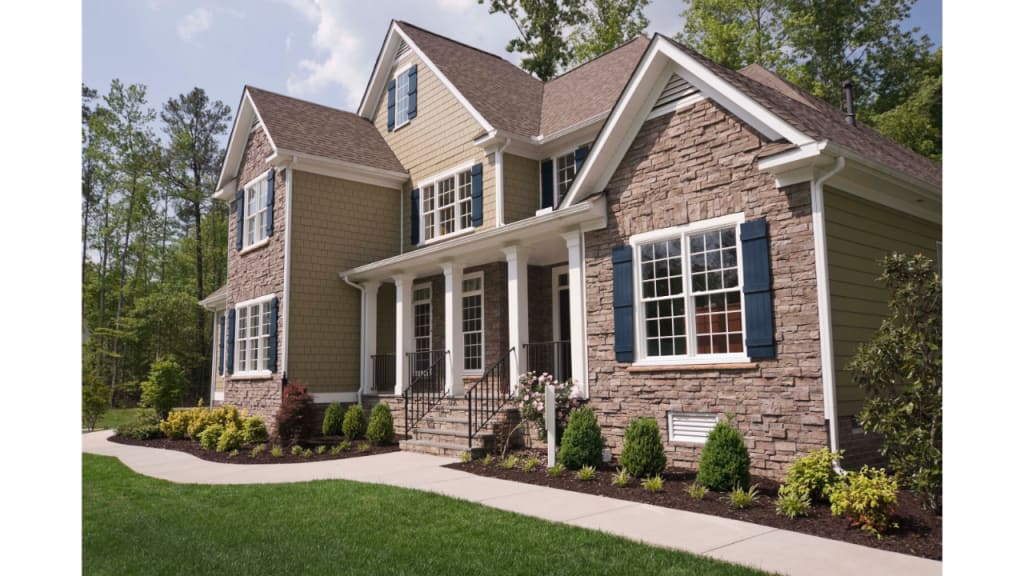
The charm of Vancouver's heritage homes is undeniable, with their intricate woodwork, unique architecture, and connection to the city's past. However, owning one comes with a unique set of responsibilities, especially when it comes to modernizing essential systems like heating. When the time comes for a furnace replacement in Vancouver, homeowners of these older properties face a variety of challenges that go beyond a standard installation. From preserving historical integrity to navigating building codes and improving energy efficiency, a successful retrofit requires a thoughtful, informed approach. This article will explore the key challenges and provide practical solutions to ensure your heritage home remains comfortable and efficient for years to come.
The Challenges of a Heritage HVAC Upgrade
Older homes were not built with modern energy efficiency in mind. This is perhaps the most significant challenge when retrofitting a furnace. The building envelope, which includes the roof, walls, windows, and floors, is often poorly insulated and prone to drafts. This leads to a situation where a new, high-efficiency furnace may be oversized and cycle on and off more frequently, reducing its efficiency. The Vancouver Heritage Foundation emphasizes that drafts are a major cause of cold homes in the city's mild climate, and addressing them is a primary step.
Another key challenge is the potential for "backdrafting" in homes with natural-draft furnaces or other combustion appliances. As a home becomes more airtight through sealing and insulation, the air needed for these appliances to vent combustion gases safely can be reduced. This is a serious safety risk that must be addressed, often by converting to direct-vent or sealed-combustion units.
Beyond the technical aspects, there are also regulatory and aesthetic considerations. For homes on the Vancouver Heritage Register or those with a heritage designation, any exterior changes and certain interior alterations may require a Heritage Alteration Permit. The City of Vancouver and organizations like the Vancouver Heritage Foundation stress that retrofits should respect the home's character-defining elements and avoid invasive measures that damage original materials. This can mean avoiding the removal of interior or exterior finishes to add insulation and instead opting for less intrusive methods, such as blown-in cellulose.
Solutions for a Successful Furnace Retrofit
The key to a successful retrofit is taking a holistic, "whole building" approach. Rather than simply swapping out one furnace for another, a comprehensive plan should address the entire home system.
1. Start with an Energy Evaluation: Before making any decisions, hire a qualified energy advisor to conduct an EnerGuide Rating System (ERS) evaluation. This professional can perform a blower door test to identify air leaks and assess the home's overall energy performance. The resulting report will provide a roadmap of recommended upgrades, helping you prioritize the most impactful improvements while considering your heritage home's specific needs. Several grant programs, like the Heritage Energy Retrofit Grant, subsidize these evaluations for eligible properties.
2. Address the Building Envelope First: The most effective way to improve comfort and reduce heating costs in an older home is to minimize air leakage and drafts. This is often more impactful than just replacing the furnace. Simple and non-invasive measures like weather stripping around doors and windows can make a big difference. Upgrading insulation in the attic or foundation walls is also highly recommended. For wall cavities, blown-in insulation can be a great option as it does not require removing historical finishes.
3. Consider a High-Efficiency Furnace or Alternative Heating System: Once the building envelope is addressed, you can select a new heating system that is correctly sized for your now more-efficient home. Modern high-efficiency gas furnaces can achieve efficiency ratings of 95% or higher, a significant improvement over older models. However, with Vancouver's push for decarbonization and the city's mild climate, an electric heat pump is an increasingly popular and viable alternative.
Heat pumps offer both heating and cooling in a single, energy-efficient system. They are an excellent option for older homes, especially when paired with proper air sealing and insulation. While the upfront cost may be higher than a gas furnace, government rebates and long-term energy savings can make them a financially attractive choice.
4. Plan for New Ventilation: As air sealing reduces drafts, it is crucial to install adequate mechanical ventilation to ensure good indoor air quality. This can include a heat recovery ventilator (HRV), which brings in fresh air while recovering heat from the outgoing stale air. Proper ventilation is not only important for comfort but also for preventing moisture buildup, which can lead to mold and other issues.
5. Navigate Regulations and Permits: For homes on the Vancouver Heritage Register or with a heritage designation, always consult with a heritage consultant or an accredited professional experienced with heritage properties. They can help you propose alternative solutions that comply with building bylaws while preserving the home's unique character. Mechanical permits are required for all new heating system installations, and a qualified contractor will handle these applications.
Cost and Incentives
The cost of a new furnace or heat pump installation in a Vancouver heritage home can vary significantly based on the chosen system, home size, and the complexity of the installation. A high-efficiency gas furnace installation typically ranges from $3,500 to $9,500, while a new heat pump can cost more upfront. However, homeowners can take advantage of numerous rebate programs.
The Heritage Energy Retrofit Grant, for instance, provides grants of up to $18,000 for homes switching from gas or oil to an electric heat pump, in addition to other retrofits. The CleanBC Better Homes and Home Renovation Rebate Programs also offer a range of incentives for heat pump and energy efficiency upgrades. These financial incentives can substantially reduce the overall cost of a retrofit, making it more accessible to heritage homeowners.
Final Takeaway
Retrofitting an older Vancouver heritage home is an investment in both its history and its future. By taking a strategic approach that prioritizes air sealing and insulation before selecting a new heating system, you can ensure your home is more comfortable, safer, and more energy efficient. Navigating the process with expert guidance from energy advisors and heritage professionals will protect the unique character of your home while preparing it for a sustainable future.
Contact a qualified HVAC professional or an energy advisor today to begin your home's journey toward greater efficiency and comfort.
About the Creator
Keep reading
More stories from The Weekend Project and writers in Journal and other communities.
Make Your Building Breathe
If you’ve ever had a winter morning derailed by a lukewarm shower or a Monday rush interrupted by a rooftop unit that won’t start, you know comfort isn’t a luxury—it’s the backbone of a smooth day. In Philadelphia, the swing from humid summers to brittle winter cold exposes weaknesses fast. Older brick buildings, eclectic renovations, and rooftop equipment that lives through everything from pollen to nor’easters make maintenance more than a checklist. This guide lays out a simple, repeatable plan to keep heat steady, water hot, and costs predictable—without turning building operations into a second job.
By The Weekend Project5 months ago in Journal
Bring some fruit-filled fun to the party with a hilarious and eye-catching banana outfit
Costumes are meant to spark laughter, start conversations, and make events more memorable. Few outfits accomplish that as effortlessly as a bright, oversized banana costume. Its bold yellow colour and playful shape guarantee instant visibility in any crowd. Whether you are heading to a themed party, Halloween event, fun run, or promotional gathering, this fruity ensemble delivers humour and charm in equal measure.
By Costumes in Australia6 days ago in Journal
Small Changes, Big Results
Personal growth often sounds like a huge, life-altering process. We imagine dramatic transformations, strict routines, or sudden breakthroughs. In reality, meaningful growth rarely happens all at once. More often, it comes from small choices repeated consistently over time.
By Dr. Stephen Swisher 7 days ago in Journal




Comments
There are no comments for this story
Be the first to respond and start the conversation.