
Refused A Breath Test In Alberta? What You Need To Know Right Now
What You Need To Know Right Now
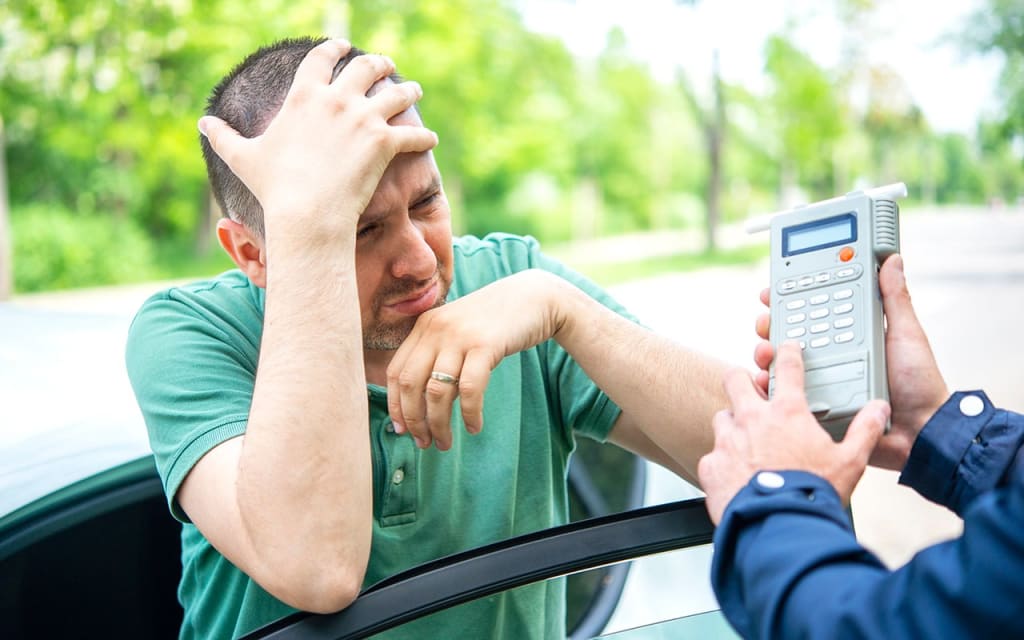
Getting pulled over for suspected impaired driving is stressful enough, but being asked to provide a breath sample? That’s when it gets real.
In the heat of the moment, some people panic. Some believe they have the right to say no. Others just don't understand what refusing a breath test means under Alberta law.
If you’re facing charges after refusing a breathalyzer or roadside test, you’re not alone—but you do need to act fast. A skilled DUI defence lawyer can help you understand what’s at stake and guide you through your legal options under Alberta’s impaired driving laws.
Can You Legally Refuse A Breath Test In Alberta?
Technically, yes—you can refuse. But legally, that decision comes with serious consequences.
Under Section 320.15 of the Criminal Code of Canada, refusing to comply with a police demand for a breath sample is a criminal offence. In other words, saying “no” can result in a charge that carries the same penalties as a DUI.
And here’s the kicker: you don’t need to be impaired for the charge to stick. Simply refusing is enough.
Types Of Breath Tests You Might Be Asked To Take
In Alberta, there are generally two types of breath tests:
Roadside Screening Device (ASD)
Usually requested at the scene
Determines if there’s alcohol in your system
You must blow into the device when asked
Evidentiary Breathalyzer (At Police Station)
Conducted after arrest
Measures blood alcohol concentration (BAC)
Results can be used in court
Refusing either one can result in charges, and in many cases, both may be requested.
What Happens Immediately After You Refuse?
If you refuse a breath test in Alberta, here’s what typically happens next:
Immediate License Suspension
You’ll face an Immediate Roadside Sanction (IRS), including a license suspension starting from 90 days.
Vehicle Seizure
Your car may be impounded for up to 30 days, depending on your situation.
Criminal Charges
You will likely be charged with Refusal to Provide a Breath Sample, and you’ll be required to appear in court.
These consequences can kick in even before you're convicted.
What Are The Penalties For Refusing A Breathalyzer?
Refusing a breath test is treated just like driving over the legal limit. Here’s what you could be facing upon conviction:
Penalty
First Offence
Second Offence
Third+ Offence
Fine
Minimum $2,000
Possible jail time
Mandatory jail
License Suspension
1-year minimum
3 years
Lifetime (with possible reinstatement)
Ignition Interlock Program
Required
Required
Required
These penalties can have a long-term impact on your job, your insurance, and your criminal record.
But I Didn’t Understand The Demand—Does That Matter?
It might.
In order for a charge of refusing a breath test to be valid, the police must:
Clearly communicate the demand
Have reasonable grounds to make the demand
Inform you of the consequences of refusal
If any of these steps are mishandled, your defence lawyer may be able to argue that your refusal was not a “voluntary and informed” decision. That could be the key to getting your charges dropped or reduced.
Is It Better To Refuse Than Blow Over The Limit?
Short answer: No.
A lot of people believe that refusing a test is better than being caught over the legal limit. But under Alberta law, the punishment is the same—or even worse.
Refusal doesn’t mean your situation disappears. In fact, prosecutors often push refusal cases harder, since it can be seen as obstructing justice.
Can You Fight A Refusal Charge In Alberta?
Absolutely. While the charge is serious, it doesn’t mean a conviction is automatic. A strong defence might involve:
Challenging the legality of the demand
Proving that you had a reasonable excuse (e.g. medical condition, language barrier)
Arguing procedural errors by the arresting officer
Questioning the accuracy or reliability of evidence
Each case is different—and that’s why it’s so important to get legal advice early in the process.
Will A Refusal Stay On My Criminal Record?
Yes. A conviction for refusing a breathalyzer will result in a criminal record, just like a DUI.
This can affect:
Employment (especially jobs involving driving or security clearance)
Travel (particularly to the U.S.)
Insurance premiums and eligibility
Future legal matters or background checks
You may eventually apply for a record suspension (formerly called a pardon), but that’s a process that takes time and eligibility requirements.
How Alberta’s Refusal Laws Compare To Other Provinces
Refusing a breath test is a criminal offence across Canada, but Alberta's Immediate Roadside Sanctions (IRS) program makes the consequences feel more immediate and intense.
Other provinces might delay suspension or offer more flexibility with appeals, but in Alberta, penalties like license suspensions and vehicle seizures often kick in on the spot.
It’s also worth noting that Alberta’s impaired driving framework includes administrative penalties, criminal penalties, and mandatory education programs. These layers make Alberta one of the stricter provinces when it comes to DUI-related laws—including breath test refusals.
What Counts As A “Reasonable Excuse” To Refuse?
There are very few acceptable reasons to refuse a breathalyzer—but some cases have succeeded with these defences:
Medical Conditions: Certain respiratory illnesses or anxiety disorders that make it physically impossible to blow.
Language Barriers: If you didn’t understand what was being asked and the officer failed to clarify.
Faulty Equipment: If the breathalyzer was malfunctioning or not calibrated correctly.
Police Misconduct: If your rights weren’t properly explained, or if the demand was unlawful.
A legal professional can assess whether your specific situation meets the standard of a “reasonable excuse” under Canadian criminal law.
The Role Of Legal Representation
A refusal charge might seem simple on the surface, but these cases often hinge on complex details—like the exact wording used by officers, the time taken to make the demand, and the nature of your response.
Having an experienced criminal defence lawyer means you’ll have someone who can:
Review police conduct and video footage
Cross-examine the accuracy of the evidence
Protect your rights throughout the legal process
Challenge procedural missteps that could lead to dropped charges
In short, it’s not just about fighting the charge—it’s about making sure the legal system works as it should.
Prevention Tips: What To Do If You’re Pulled Over
Nobody plans to get pulled over, but if it happens, here are some steps that can help protect your legal position:
Stay Calm: Cooperate politely but don’t overshare. You have the right to remain silent.
Follow Instructions: If an officer makes a lawful demand, comply—but take mental notes of how it’s delivered.
Ask Questions: Clarify what kind of test is being requested and what your rights are.
Request Legal Counsel: If you're unsure, you have the right to speak with a lawyer before complying at the station.
These steps won’t guarantee you avoid charges, but they’ll help build a stronger defence if the situation escalates.
Summary
To wrap it all up—refusing a breath test in Alberta is a serious mistake that can follow you for years. It’s not a clever workaround. It’s not “just a ticket.” It’s a charge that carries weight, both legally and personally.
Understanding what happens next, knowing your rights, and getting qualified legal help is the best way to protect yourself. Every case has unique facts, and the right legal strategy can make a significant difference in the outcome.
About the Creator
Keep reading
More stories from slaferek Law and writers in Journal and other communities.
Hiring A Sexual Assault Defence Lawyer In Edmonton - Frequently Asked Questions
Sexual assault charges can be a serious and life-changing matter, which is why it's important to have a specialized defence lawyer by your side. Hiring a professional and well-qualified assault defence law firm like criminal lawyers edmonton is crucial to safeguarding your rights and mounting a strong defence.
By slaferek Law3 years ago in Criminal
~ Fired ~
— Ai Intrusion ~ Are you Next ~ Is Ai Evolution after your job? — Few workplaces haven't been affected. Ai is in supermarkets, at doctors' offices, and even monitoring farms. I just can't think of anything this machine is not getting into, can you? For instance: Education ~ Law and Tech jobs will one day have a major influence or be taken over by these inanimate machines, with accuracy and vigor. From mechanics' diagnoses to a wide variety of everyday jobs, including fast food workers, with this input having the ability to cut their unnecessary work hours. I'm certain all of us have been touched by this with our short stories and colorful headings, have you? Even comments are very questionable 'Non-Robot' insertions.
By Jay Kantor2 days ago in Journal
One Unchecked Box
"Republished" because it was the only way to add the embed for the newly recorded audio version of this story due to the Top Story badge. Plus it serves as a nice, informal announcement of the podcast's revival for another season (go subscribe!):
By Stephen A. Roddewig6 days ago in Fiction


Comments
There are no comments for this story
Be the first to respond and start the conversation.