
Real Estate Website Design: 10 Hot Trends for 2024
Real Estate Website Design

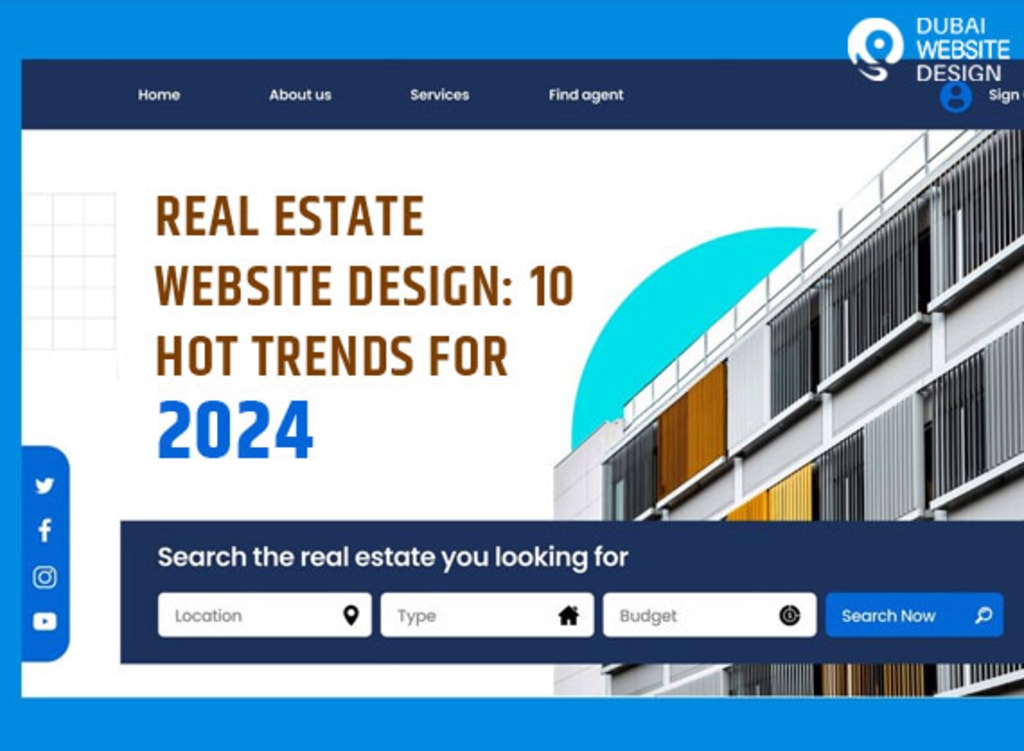
With technology advancing and user expectations rising, it's essential for real estate websites to stay updated with the latest trends. Here’s a guide to the top 10 trends shaping real estate website design this year.
1. Immersive Virtual Tours
Immersive virtual tours are becoming a standard feature in real estate website design. They allow potential buyers to explore properties online as if they were there in person. Virtual tours can provide a 360-degree view of homes and commercial spaces, helping users get a realistic feel for the property. This feature enhances user engagement and can lead to higher conversion rates.
2. Enhanced Mobile Experience
With the increasing use of smartphones, having a mobile-friendly real estate website design is crucial. Websites must be optimized for mobile devices to ensure a smooth browsing experience. Responsive design ensures that your site looks and functions well on all screen sizes, from desktops to smartphones. A seamless mobile experience helps capture leads and keeps users engaged.
3. AI-Powered Property Search
AI-powered property search features are transforming real estate website design. Advanced search algorithms can offer personalized property recommendations based on user behavior and preferences. AI can also help with chatbots that provide instant assistance and answer queries, enhancing the overall user experience. This technology makes it easier for users to find properties that match their needs.
4. High-Quality Visual Content
High-quality visual content is essential for effective real estate website design. This includes professional photos, videos, and even drone footage of properties. High-resolution images and engaging video tours help showcase properties in the best light and attract potential buyers. Investing in quality visual content can make your listings stand out and grab attention.
5. Interactive Maps and Location Data
Interactive maps and detailed location data are becoming integral to real estate website design. Users can explore neighborhoods, view nearby amenities, and get a sense of the area surrounding a property. Maps with filters and location-based information provide valuable context and help users make informed decisions about where to live or invest.
6. Personalized User Experience
Personalization is a key trend in real estate website design. By using data and user preferences, websites can offer tailored content and recommendations. Features like personalized property alerts, customized search filters, and saved searches enhance the user experience. A personalized approach helps build a connection with users and increases the chances of converting visits into leads.
7. Simplified User Interface
A simplified user interface (UI) is crucial for modern real estate website design. Cluttered and complicated layouts can deter users from engaging with your site. A clean, intuitive design with easy navigation ensures that users can find what they’re looking for quickly. Simple, straightforward design elements make the browsing experience more enjoyable and efficient.
8. Integration with Social Media
Integrating social media into real estate website design helps boost visibility and engagement. Social media buttons and feeds allow users to share property listings and connect with your brand on various platforms. Featuring user-generated content and reviews from social media can also build credibility and attract more visitors to your site.
9. Advanced Filtering and Search Options
Advanced filtering and search options are essential for a successful real estate website design. Users should be able to easily narrow down their search based on criteria such as price, location, property type, and more. Enhanced search functionality helps users quickly find properties that meet their specific requirements, improving their overall experience on your site.
10. Secure and Fast Performance
Security and performance are critical aspects of real estate website design. Ensure that your website is secure with SSL certificates to protect user data. Fast loading times are also important to keep users engaged and reduce bounce rates. A secure and fast website enhances user trust and helps maintain a positive reputation.
Conclusion
Staying ahead in real estate website design requires adapting to new trends and technologies. By incorporating these 10 hot trends, you can create a website that attracts and engages potential buyers, providing them with a seamless and enjoyable experience. For a cutting-edge real estate website design, consider partnering with a professional web design agency. They can help you implement these trends effectively and ensure your website stands out in a competitive market.
About the Creator
dubaiwebsitedesign
Website Design Dubai – Professional web development team at Dubai Website Design has the necessary experience to tackle web development work.
Website - dubaiwebsitedesign.ae
Keep reading
More stories from dubaiwebsitedesign and writers in Journal and other communities.
The Must-Have Hotel Website Features Checklist For 2024
A well-designed hotel website can boost bookings, enhance guest experience, and set your property apart from the competition. Here’s a comprehensive checklist of must-have features for a standout hotel website design.
By dubaiwebsitedesign2 years ago in Journal
~ Fired ~
— Ai Intrusion ~ Are you Next ~ Is Ai Evolution after your job? — Few workplaces haven't been affected. Ai is in supermarkets, at doctors' offices, and even monitoring farms. I just can't think of anything this machine is not getting into, can you? For instance: Education ~ Law and Tech jobs will one day have a major influence or be taken over by these inanimate machines, with accuracy and vigor. From mechanics' diagnoses to a wide variety of everyday jobs, including fast food workers, with this input having the ability to cut their unnecessary work hours. I'm certain all of us have been touched by this with our short stories and colorful headings, have you? Even comments are very questionable 'Non-Robot' insertions.
By Jay Kantor9 days ago in Journal
from death into life
Young Aldin of Wiloh had never contemplated death. It was almost strange — so many around him had the tendency to obsess over it, to clamor and claw almost desperately at their own perceptions of the end to know death as much as they could: when it would come, why it would come, where it would take them when it did.
By angela hepworthabout 17 hours ago in Fiction



Comments (1)
Thanks for the recommendation