
Ratul Puri Welcomes RBI Policy Shift, Citing Benefits for Energy Sector and Long-Term Infrastructure Development
Energy Sector

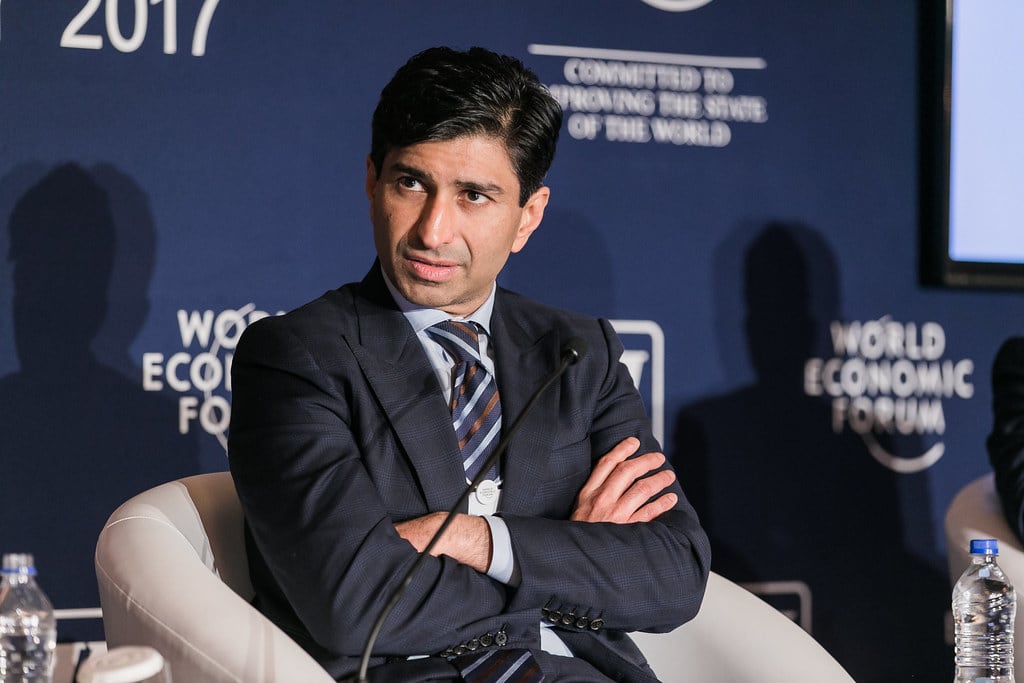
In a bold and strategic move, the Reserve Bank of India (RBI) recently announced a policy shift that included a repo rate cut, aimed at revitalizing the country’s investment climate and boosting long-term economic growth. The move has been met with widespread approval from industry leaders, economists, and infrastructure experts. Among the most vocal supporters is Ratul Puri, Chairman Hindustan Power, who welcomed the RBI’s decision, calling it a “critical enabler for energy infrastructure and capital-intensive industries.”
As India continues its ambitious push toward sustainable development, green energy, and smart infrastructure, this monetary policy intervention is being seen not just as an economic stimulus, but also as a catalyst for sector-wide transformation. In this blog, we explore Ratul Puri’s insights, the policy’s implications for the energy and infrastructure sectors, and why this shift is being celebrated across the board.
Understanding the RBI Policy Shift
What Is the Repo Rate?
The repo rate is the interest rate at which the RBI lends money to commercial banks. A cut in this rate reduces the cost of borrowing for banks, which often gets passed on to businesses and consumers in the form of lower interest rates on loans. This can significantly boost liquidity and encourage capital expenditure, especially in capital-heavy sectors like power, infrastructure, manufacturing, and real estate.
Why It Matters Now
The global economy is facing uncertainty due to geopolitical tensions, inflationary trends, and climate-related risks. For India, maintaining a balance between fiscal responsibility and growth stimulation is key. The repo rate cut is a targeted tool to ensure that capital-intensive projects do not stall due to high financing costs.
Ratul Puri’s Perspective: A Welcome and Timely Decision
Leadership with a Vision
Ratul Puri, Chairman Hindustan Power, has long been an advocate for policies that align with sustainable economic growth. Under his leadership, Hindustan Power has emerged as a significant player in thermal and solar energy, with a diversified 4 GW energy portfolio and a presence in countries like Germany, the United Kingdom, Japan, Italy, and South Korea.
Welcoming the RBI’s decision, Puri stated that the rate cut will have a positive cascading effect on industries like energy and infrastructure, where large capital requirements and long gestation periods make cost-effective financing absolutely essential.
“Access to low-cost financing is the backbone of any infrastructure-led development. The RBI’s policy shift provides a timely boost for accelerating projects that are crucial to India’s energy future,” said Ratul Puri.
Why the Rate Cut Matters for the Energy Sector
Cheaper Capital for Renewable Projects
India’s clean energy goals are among the most ambitious globally, with a target of 500 GW of renewable energy by 2030. Achieving this requires consistent and affordable financing. Ratul Puri, Chairman Hindustan Power, points out that lower interest rates enhance the viability of renewable energy projects, particularly those that depend on long-term debt such as solar farms and wind parks.
Accelerating Grid Modernization
Beyond generation, the energy sector also needs investment in smart grids, energy storage systems, and modern transmission infrastructure. These projects are capital-intensive and often struggle with high cost of funds. The RBI’s policy shift can ease the financial pressure, helping both public and private players execute faster and scale more efficiently.
Impact on Long-Term Infrastructure Development
Increased Project Viability
Infrastructure projects—whether in roads, power, transport, or smart cities—often involve huge upfront investments and longer payback periods. According to Ratul Puri, the rate cut improves the internal rate of return (IRR) for such projects, making them more appealing to both domestic and global investors.
Support for Public-Private Partnerships (PPPs)
One of the government’s key strategies for accelerating infrastructure is through public-private partnerships. However, these models often hinge on favorable financing terms. Ratul Puri believes that the repo rate cut reduces financial risk, thereby encouraging private sector participation in nation-building efforts.
Hindustan Power: A Case Study in Capital Efficiency
Global Footprint with Sustainable Intent
Under Ratul Puri’s leadership, Hindustan Power has delivered over 1,000 MW in solar energy capacity, both in India and internationally. The company’s ability to execute large-scale renewable projects has been tied to its strategic use of capital and responsiveness to policy signals.
Ready for the Next Phase of Growth
With the RBI’s latest move, Hindustan Power is well-positioned to scale up its clean energy footprint, invest in next-gen energy solutions, and continue playing a key role in India's energy transformation.
Expert Opinions Align with Puri’s Vision
Economic and industry experts echo the views of Ratul Puri, Chairman Hindustan Power, regarding the potential of the repo rate cut.
- Confederation of Indian Industry (CII): Stated the rate cut will revive stalled projects and unlock fresh investments.
- International Energy Agency (IEA): Emphasized the need for consistent financial support to meet India’s renewable targets.
- Global investors: Are more likely to bet on stable and growing markets when policy and financial conditions are supportive.
- Beyond Finance: A Push Toward Sustainability
Aligning Monetary Policy with Climate Goals
The RBI’s move is also being seen as a step toward green financing. Ratul Puri has often spoken at global forums about the intersection of finance, policy, and climate resilience. In his view, central bank policies must increasingly align with national sustainability targets.
Challenges Ahead and the Road Forward
While the rate cut is promising, Ratul Puri acknowledges that real impact depends on:
- How quickly banks transmit lower rates to borrowers
- The ease of accessing capital for infrastructure firms
- Continued policy consistency and support for green financing models
Still, he remains optimistic, stating that with the right ecosystem, India is poised to become a global leader in clean, inclusive infrastructure.
Conclusion: A Step in the Right Direction
Ratul Puri, Chairman Hindustan Power, views the RBI's policy shift not just as a monetary adjustment, but as a strategic enabler for India’s future. From powering solar plants to building smart grids, the reduced cost of capital unlocks opportunities for growth, innovation, and sustainability.
As India seeks to scale up its infrastructure and meet its climate commitments, leaders like Ratul Puri are showing how policy, vision, and execution can work in harmony to shape a stronger and greener nation.
About the Creator
Chinmaya Singh
Chinmaya Singh is a professional blogger with 6+ years of experience, writing on entrepreneurship, business, and industry, helping readers gain insights into success and growth strategies.
Keep reading
More stories from Chinmaya Singh and writers in Journal and other communities.
Ratul Puri Demonstrates Unyielding Commitment to India’s Energy Transformation by Investing in Green Solutions
India’s energy landscape is undergoing a profound transformation. As one of the world's most populous countries and rapidly growing economies, India faces both immense challenges and significant opportunities in transitioning to a more sustainable and clean energy future. Amid this shift, Ratul Puri, a prominent businessman and energy sector leader, is playing an essential role in shaping the future of India’s renewable energy infrastructure. Through strategic investments and a clear focus on green solutions, Puri is demonstrating an unwavering commitment to India's energy transformation.
By Chinmaya Singh9 months ago in Journal
The goals I did not achieve
Every writing goal I made for the year is a wash. It has been this way for a while, but I think it's important to be open about my failures and the reality of how life can get in the way. This is especially true considering the several times I have posted on Vocal about my writing goals, how I was changing my approach, and where I was hoping to be for the upcoming year. I will probably do that again in a couple months, but for now, it is time to acknowledge where I am today.
By Kay Husnick22 days ago in Journal
Diary of Anony Elle
If you read the last post, forgive me… I was rambling. See, I have a plan! I have learned that perfection is not needed to start that plan. So, I just started it. I am committed and I will not allow my circumstances to deter me like I have many times before. Not this time. This time I am focused, dedicated, and willing to do everything that I need to do to achieve the outcome my babies and I deserve. I now know who I am, who they are, and what I am up against. I do not plan on being nice anymore, now that I know how stupid nice is. I do not wonder if they love me (“they” will be revealed soon) and I know who my enemies are; so I no longer have limits.
By Anony Elle3 days ago in Journal


Comments
There are no comments for this story
Be the first to respond and start the conversation.