
Ratul Puri Shares His Insights On The 2025 Budget
2025 Budget

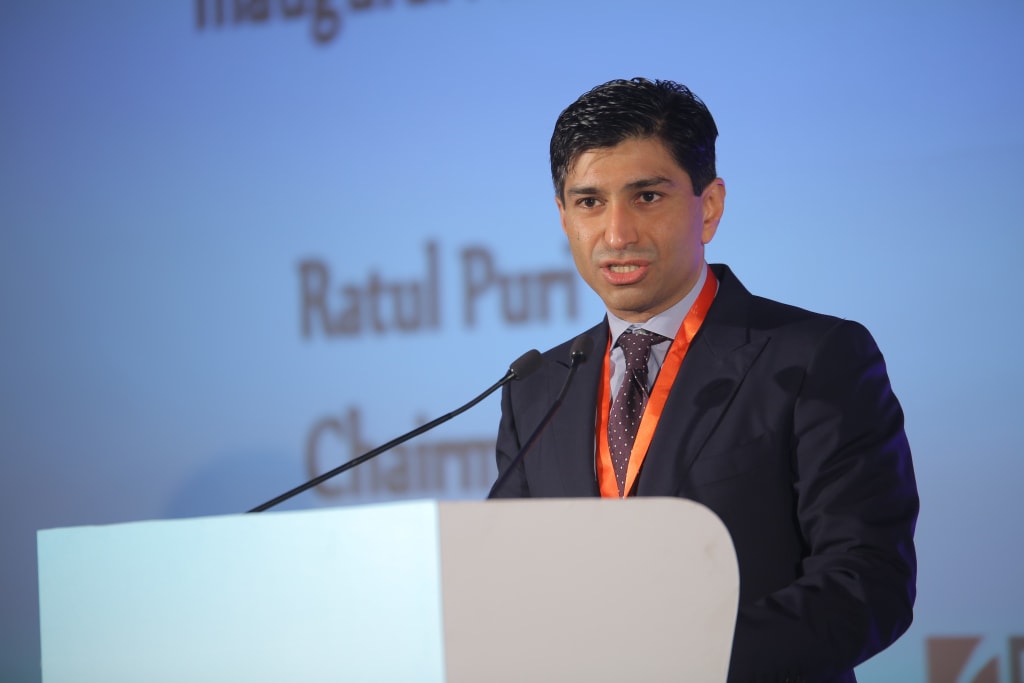
Ratul Puri, Chairman of Hindustan Power, has consistently voiced his perspective on India’s energy future, particularly in the context of the Union Budget. As the country prepares for the 2025 budget, Puri offers key insights into how India can chart a sustainable and economically vibrant path forward. Among his key recommendations, he emphasizes the urgent need for increased investment in renewable energy and a stronger push to expand the “Make in India” initiative, particularly in the realm of clean energy technologies.
Investment in Renewable Energy
Puri is a firm believer that renewable energy is crucial to India’s long-term energy security, economic growth, and environmental sustainability. In his view, the 2025 Union Budget must prioritize significant investments in renewable energy infrastructure—especially solar, wind, and energy storage systems. By scaling up these clean energy sources, India can reduce its dependence on traditional, polluting fossil fuels like coal and oil, which have been major contributors to air pollution and climate change.
Puri advocates for a policy framework that incentivizes both domestic and foreign investments in renewable energy projects. He argues that fostering a robust renewable energy ecosystem can provide a dual benefit: it not only supports India’s energy transition but also creates vast employment opportunities, stimulates innovation, and boosts economic growth in a rapidly changing global energy market.
In addition, Puri underscores the importance of energy storage technologies, which are critical to ensuring the reliability and stability of a renewable-powered grid. He calls for the government to support advancements in battery storage solutions, which can store surplus energy generated by solar and wind projects, making them available when demand is high or when renewable sources are less active, like during cloudy days or at night.
Expansion of the 'Make in India' Initiative
Puri is also a strong advocate for expanding the “Make in India” initiative, particularly in the renewable energy sector. He believes that the 2025 Union Budget should focus on encouraging the manufacturing of clean energy technologies within India, thus reducing the country's reliance on imported goods and creating a more self-reliant and resilient economy.
The “Make in India” initiative, which was launched with the aim of turning India into a global manufacturing hub, could be further accelerated by focusing on the clean energy sector. Puri sees immense potential in manufacturing key components for solar panels, wind turbines, and battery storage systems domestically. By fostering the growth of these industries within India, the country can not only meet its own energy needs but also position itself as a leader in the global renewable energy supply chain.
This focus on local manufacturing also aligns with Puri's belief in creating jobs and enhancing India’s technological capabilities. Investing in clean energy manufacturing can lead to the creation of thousands of skilled jobs, reduce energy costs, and strengthen India’s position as a competitive player in the global renewable energy market.
A Comprehensive Focus on Clean Energy Technologies
Beyond renewable energy generation, Puri stresses the need for India to invest in the full spectrum of clean energy technologies. This includes solar power, wind energy, energy storage solutions, as well as advancements in grid technologies to manage the integration of renewable sources. Puri believes that a balanced approach—focusing on both energy generation and storage, alongside the modernization of the energy grid—is key to ensuring a seamless energy transition.
He points out that while India has made significant strides in expanding its renewable energy capacity, the country must now focus on improving the efficiency and scalability of clean energy technologies. This includes adopting advanced energy storage systems, which can store renewable energy at scale, as well as smart grid technologies that can handle the dynamic nature of renewable power sources.
Furthermore, Puri advocates for a stronger research and development (R&D) push in clean energy technologies. He believes that investing in R&D will not only help India develop cutting-edge solutions that are tailored to its unique energy needs but also ensure that the country remains at the forefront of global clean energy innovation.
Policy and Financial Support
Puri emphasizes the importance of clear and consistent government policies to support the renewable energy sector. He calls for the 2025 Union Budget to include strong incentives for private-sector investments in renewable energy infrastructure, as well as tax benefits, subsidies, and financial mechanisms that encourage businesses to adopt clean energy solutions.
Moreover, Puri believes that India must actively seek international partnerships and collaborations to bring in both capital and technological expertise. This includes partnering with developed nations and global clean energy leaders to share best practices, access financing for large-scale renewable projects, and foster cross-border energy trade.
Conclusion
In summary, Ratul Puri's insights on the 2025 Union Budget reflect his deep commitment to India's clean energy future. He advocates for substantial investments in renewable energy, the expansion of the “Make in India” initiative in the clean energy sector, and a stronger emphasis on clean energy technologies such as solar, wind, and energy storage. By focusing on these areas, Puri believes that India can achieve its energy transition goals, reduce carbon emissions, create a self-sustaining renewable energy industry, and bolster its global standing as a leader in the fight against climate change.
About the Creator
Chinmaya Singh
Chinmaya Singh is a professional blogger with 6+ years of experience, writing on entrepreneurship, business, and industry, helping readers gain insights into success and growth strategies.
Keep reading
More stories from Chinmaya Singh and writers in Journal and other communities.
Hindustan Power Accelerates India’s Clean-Energy Push with New 150 MW Solar and Storage Project Under Ratul Puri’s Leadership
New Delhi — In a significant move that underlines India’s accelerating transition to cleaner power, Hindustan Power has secured a major renewable energy contract to develop a 150 MW solar project integrated with advanced battery storage — a development that Chairman Ratul Puri says reinforces the company’s commitment to future-ready energy infrastructure.
By Chinmaya Singh7 days ago in Journal
The goals I did not achieve
Every writing goal I made for the year is a wash. It has been this way for a while, but I think it's important to be open about my failures and the reality of how life can get in the way. This is especially true considering the several times I have posted on Vocal about my writing goals, how I was changing my approach, and where I was hoping to be for the upcoming year. I will probably do that again in a couple months, but for now, it is time to acknowledge where I am today.
By Kay Husnick24 days ago in Journal
AI-Powered Website Design and Development: The Future of Smart Business Websites
In the rapidly changing digital world today, a website serves not just as a face of business on the internet but also as a business facilitator. Customers want quick, personalized, safe, and smooth experiences across all their devices. Older ways of website design and development, though still valid, generally have a hard time meeting the increased customer demand. This is exactly what AI-powered website design and development is introducing to the market - a game-changing approach in how business websites are smart, built, optimized, and used.
By Swati Lalwani4 days ago in Journal


Comments
There are no comments for this story
Be the first to respond and start the conversation.