
Ratul Puri’s Vision 2030: The Ambitious Plan That Could Make India a Global Clean Energy Leader
Global Clean Energy


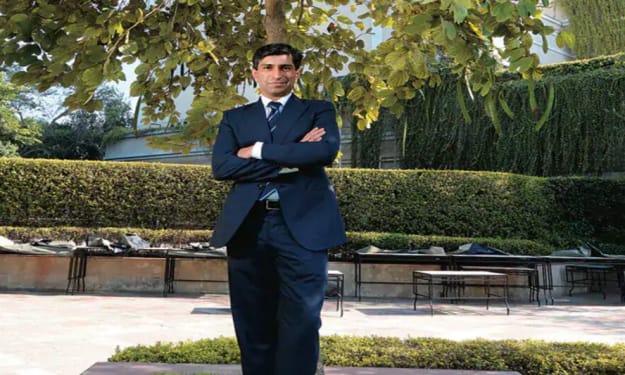
India stands at a critical juncture in its energy journey. With growing electricity demands, climate commitments under the Paris Agreement, and rising energy prices, the country must find a path that balances growth with sustainability. One name that’s emerging as a driving force behind India’s green energy transition is Ratul Puri, Executive Chairman of Hindustan Powerprojects.
With his forward-looking initiative, Vision 2030, Ratul Puri isn’t just planning to reform India’s energy grid—he’s positioning India as a global leader in clean energy innovation.
This article explores the depth of Ratul Puri’s Vision 2030, its alignment with global sustainability goals, and how it could make India a clean energy superpower.
Ratul Puri: The Power Strategist Behind Vision 2030
A Track Record of Innovation in Power Infrastructure
Ratul Puri has consistently championed large-scale infrastructure development. As the head of Hindustan Powerprojects, he has led the commissioning of over 5,000 MW across thermal and renewable energy sources. His strategic thinking, particularly in solar energy and smart grid development, has made him a trusted voice in India’s clean energy ecosystem.
Why Vision 2030 Matters Now More Than Ever
India has committed to reaching net zero by 2070 and installing 500 GW of non-fossil fuel capacity by 2030. Vision 2030 aligns perfectly with these goals, aiming to:
- Accelerate green energy adoption
- Improve energy access across rural India
- Strengthen India’s global standing in clean tech
- Create millions of green jobs
Vision 2030: A Breakdown of the Clean Energy Roadmap
1. Scaling Solar to 200+ GW
One of the boldest aspects of Vision 2030 is the massive solar ramp-up plan. While India already has over 70 GW of installed solar capacity (as of 2024), Puri envisions scaling this to 200+ GW by 2030, with special focus on:
- Floating solar projects
- Rooftop solar for urban households
- Solar parks in underutilized desert lands
This could help reduce India’s reliance on imported fossil fuels and make solar the primary source of electricity in key states.
2. Decentralized Microgrids for Rural India
Puri’s Vision 2030 places strong emphasis on energy democratization. Through decentralized microgrid solutions, the initiative aims to power 20,000+ villages across India.
- Solar-powered microgrids reduce transmission losses
- They offer energy independence for rural communities
- They foster micro-entrepreneurship and education opportunities
This approach directly supports UN Sustainable Development Goal 7: Affordable and Clean Energy for All.
3. Battery Storage & Grid Modernization
To combat intermittency in renewable energy, Vision 2030 includes investments in:
- Battery storage tech (lithium-ion, solid-state)
- Smart grids that integrate AI and IoT
- Demand-side management platforms
This makes India’s grid more resilient and future-ready.
4. Private Sector-Led Green Financing
Another innovative layer of Puri’s vision is enabling private investment in green infrastructure. Hindustan Power is working on:
- Launching green bonds and REITs focused on renewable assets
- Collaborating with international climate funds
- Offering ESG-compliant investment vehicles
This supports India's $1.4 trillion green energy financing requirement by 2030, as projected by the International Energy Agency (IEA).
India’s Clean Energy Challenges—and How Vision 2030 Tackles Them
Challenge 1: Fossil Fuel Dependency
India still generates around 56% of its electricity from coal. Vision 2030’s diversification strategy—solar, wind, and hydro—can significantly shift this ratio.
Challenge 2: Transmission Infrastructure Bottlenecks
By decentralizing grids and modernizing transmission networks, Puri’s plan reduces dependency on national grids and avoids energy wastage.
Challenge 3: Policy Lag
Vision 2030 proposes partnerships with state governments to fast-track regulatory approvals, ensuring smoother implementation of green projects.
Exporting Clean Tech to the Global South
Ratul Puri also aims to export clean tech solutions developed in India—such as modular solar panels and smart microgrid kits—to Africa and Southeast Asia, expanding India’s geo-economic footprint.
Case Studies: Where Vision 2030 Is Already in Action
Case Study 1: Rewa Ultra Mega Solar Plant, Madhya Pradesh
While not directly under Vision 2030, this plant (750 MW capacity) serves as the inspiration behind Ratul Puri’s multi-state solar park strategy.
Case Study 2: Rural Electrification in Bihar
Pilot microgrids in remote Bihar villages have already electrified 60,000+ households, reducing reliance on kerosene and diesel.
What Experts Are Saying About Vision 2030
“Ratul Puri’s Vision 2030 is a well-calibrated blend of innovation, execution, and investment strategy. It could very well be the blueprint for India’s energy independence.”
— Dr. Arunabha Ghosh, CEO, CEEW
“The scale is ambitious, but with India’s demographic dividend and tech talent, it’s achievable—and necessary.”
— Anjali Bansal, Founder, Avaana Capital
FAQs About Ratul Puri’s Vision 2030
Q1: Is Vision 2030 a government plan?
No, it is a private-sector-led roadmap initiated by Ratul Puri and Hindustan Power, aligned with national energy goals.
Q2: How will it impact the average Indian?
It can lower electricity bills, reduce pollution, and create jobs in the green economy—especially in rural India.
Q3: Is Vision 2030 investor-friendly?
Yes. It includes green bonds, tax-efficient REITs, and institutional partnerships—ideal for ESG investors.
Conclusion: Is Vision 2030 the Future of Indian Energy?
As the world accelerates toward decarbonization, India’s role as a clean energy powerhouse is inevitable—and perhaps even overdue. With Vision 2030, Ratul Puri presents more than a business plan; he offers a bold, actionable blueprint that could:
- Reinvent India’s power sector
- Enable inclusive economic growth
- Establish India as a clean tech leader on the global stage
If executed well, Vision 2030 could be remembered as the turning point in India’s energy evolution.
About the Creator
Chinmaya Singh
Chinmaya Singh is a professional blogger with 6+ years of experience, writing on entrepreneurship, business, and industry, helping readers gain insights into success and growth strategies.
Keep reading
More stories from Chinmaya Singh and writers in Journal and other communities.
Ratul Puri, Chairman Hindustan Power Is Proving That One Entrepreneur Can Do What Entire Governments Couldn’t
In a country as vast and complex as India, the challenge of providing uninterrupted and sustainable power to over a billion citizens has long confounded government agencies and public sector undertakings. But where policy delays, bureaucratic red tape, and fragmented implementation have often hindered progress, one individual is making waves with a new approach. Ratul Puri, Chairman of Hindustan Power, is showing the world that private entrepreneurship, when done right, can succeed where government systems have struggled.
By Chinmaya Singh8 months ago in Journal
The goals I did not achieve
Every writing goal I made for the year is a wash. It has been this way for a while, but I think it's important to be open about my failures and the reality of how life can get in the way. This is especially true considering the several times I have posted on Vocal about my writing goals, how I was changing my approach, and where I was hoping to be for the upcoming year. I will probably do that again in a couple months, but for now, it is time to acknowledge where I am today.
By Kay Husnick25 days ago in Journal
The Eucharist: Why Catholics Believe in the Real Presence
The Eucharist is the center of Catholic life and worship. At Mass, Catholics receive the Body and Blood of Christ under the forms of bread and wine, a belief that sets Catholicism apart from many other Christian traditions. This doctrine, known as the Real Presence, teaches that Jesus Christ is truly present in the Eucharist, not symbolically or metaphorically, but in reality. Understanding why Catholics believe this and how it impacts their lives can deepen appreciation for this sacred sacrament.
By Sound and Spirit6 days ago in Journal


Comments
There are no comments for this story
Be the first to respond and start the conversation.