
Raja Ampat: A Journey to the World's Underwater Eden
Raja Ampat

Raja Ampat: A Journey to the World's Underwater Eden
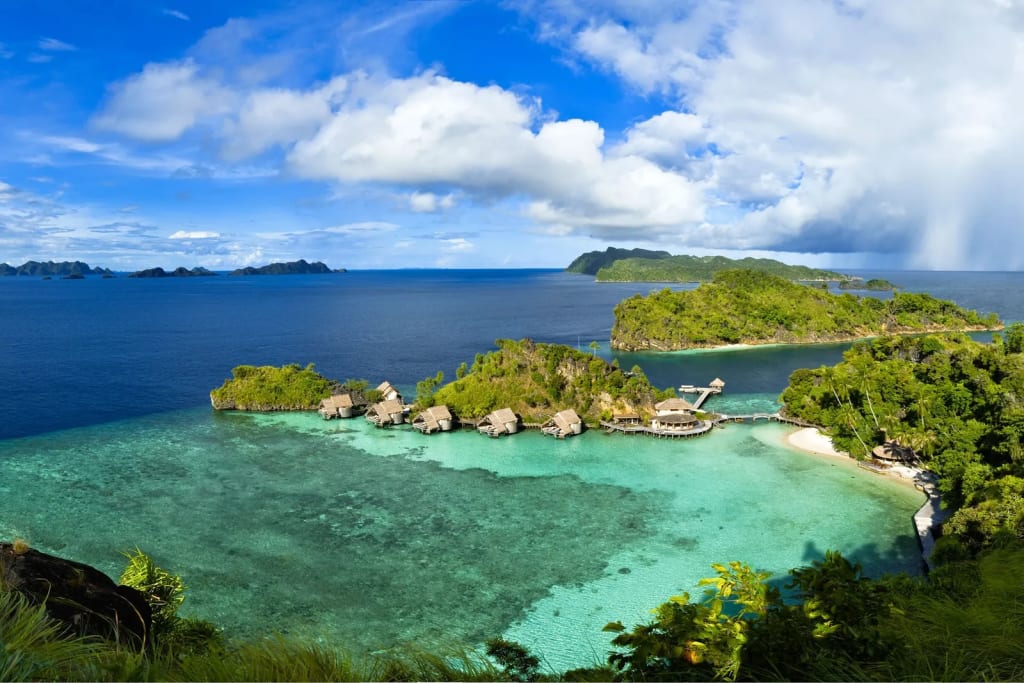
Nestled in the heart of the Coral Triangle, off the coast of West Papua, Indonesia, lies Raja Ampat – an archipelago widely celebrated as the global epicenter of marine biodiversity. This pristine paradise, meaning "Four Kings," refers to its four main islands: Waigeo, Batanta, Salawati, and Misool. A tour to Raja Ampat is not merely a vacation; it's an immersive expedition into an otherworldly realm where vibrant coral reefs, kaleidoscopic marine life, and dramatic limestone karst formations create an unparalleled natural spectacle.
The Allure Beneath the Waves: Diving and Snorkeling
The primary magnet drawing visitors to Raja Ampat is its extraordinary underwater world. Divers and snorkelers alike are treated to an unparalleled spectacle of marine life. With over 70% of the world's coral species and more than 1,500 fish species, the sheer abundance and diversity are breathtaking. Sites like Cape Kri, holding a world record for the highest number of fish species counted in a single dive, and Blue Magic, a renowned hotspot for majestic manta rays and schooling barracudas, offer unforgettable encounters. Misool Island, in the south, is famed for its soft coral gardens and intricate underwater caves. Even for non-divers, the shallow reefs teeming with life make snorkeling an equally rewarding experience, allowing glimpses of baby reef sharks, turtles, and an incredible array of colorful fish just meters from the shore.
Beyond the Blue: Terrestrial Wonders and Cultural Immersion
While the underwater realm is Raja Ampat's crown jewel, the archipelago offers a wealth of experiences above the waterline. Island hopping is a must, allowing visitors to explore the unique landscapes of each island. Piaynemo, with its iconic panoramic viewpoint over a labyrinth of emerald karsts, offers a postcard-perfect vista that will leave you in awe. Wayag, often considered the icon of Raja Ampat, presents an even more challenging but incredibly rewarding hike to its stunning limestone peaks.
For those with a keen eye for nature, birdwatching is a captivating activity. The lush jungles are home to a diverse range of avian species, including the endemic Red Bird-of-Paradise, a true spectacle of nature. Guided treks at dawn offer the best chance to spot these magnificent creatures in their natural habitat. Kayaking through hidden lagoons and mangrove forests provides a serene way to explore the intricate coastline, while stand-up paddleboarding offers a unique perspective of the crystal-clear waters.
Cultural immersion is also a significant part of the Raja Ampat experience. Visits to traditional Papuan villages like Arborek offer a glimpse into the local way of life. Engaging with the friendly communities, learning about their customs, and witnessing their traditional craftsmanship provides a rich cultural exchange. It's important to remember that many local communities are Christian, so tours or boat trips on Sundays are often avoided out of respect.
Planning Your Raja Ampat Adventure: Practicalities and Considerations
Reaching Raja Ampat requires a journey, typically involving a flight to Sorong's Domine Eduard Osok Airport (SOQ) from major Indonesian cities like Jakarta or Bali. From Sorong, a ferry or speedboat transfer to Waisai, the administrative hub of Raja Ampat, serves as the gateway to the islands. For those seeking a more immersive and flexible experience, liveaboards offer an excellent option, allowing divers to access remote sites daily without needing to return to shore.
Accommodation options range from rustic, eco-friendly homestays run by local communities, offering an authentic experience, to more luxurious dive resorts. Many resorts emphasize sustainable practices, using eco-friendly materials and discouraging single-use plastics, aligning with Raja Ampat's commitment to conservation.
The best time to visit Raja Ampat for optimal diving conditions and calmer seas is generally between September and April. While it's a year-round destination, these months offer the best visibility and increased chances of encountering large marine life like manta rays. A marine park entry fee is required for all visitors, directly contributing to the ongoing conservation efforts that protect this invaluable ecosystem.
Raja Ampat is more than just a destination; it's a profound encounter with nature at its most spectacular. It's a testament to the power of biodiversity and the importance of responsible tourism in preserving such a vital part of our planet. A tour to Raja Ampat promises an unforgettable adventure, leaving you with memories of unparalleled beauty and a deeper appreciation for the wonders of the marine world.
About the Creator
Keep reading
More stories from Restu Marlani and writers in Journal and other communities.
Sumba: The Untamed Beauty of Eastern Indonesia
Forget Bali's bustling beaches and Lombok's rising popularity for a moment. If you're yearning for an adventure that whispers tales of ancient traditions, showcases untouched natural beauty, and promises a profound connection with culture, then Sumba, an island in East Nusa Tenggara, Indonesia, should be your next destination. Far from the well-trodden tourist paths, Sumba offers a raw, authentic experience that will capture your heart and kindle your adventurous spirit.
By Restu Marlani8 months ago in Journal
Author’s Advice
If you would’ve asked me 20 years ago did I know I’d become a writer and an author, I would’ve said “nope, ain’t happening”. As fate would have it I did become an author and I can honestly say I’m loving it so far. It really does feel good to be a writer. I’ve learned a lot on this journey and I feel like with even me being as new to this world as I am, there’s some wisdom I need to share with every other aspiring author.
By Joe Patterson4 days ago in Journal
How to Plan the Perfect Candlelight Dinner Experience in the Maldives
A candlelight dinner in the Maldives feels personal and intentional. The soft light and the open sky paired with the gentle sound of the sea, but to make sure this type of evening goes smoothly, it needs planning. Small choices shape the outcome, timing matters and the location matters. Details matter, and with the right approach, the experience feels calm rather than staged. This guide shows how to plan each step with care.
By Jeewanthi Armstrong5 days ago in Journal



Comments
There are no comments for this story
Be the first to respond and start the conversation.