
Pyrolysis and the Waste-to-Fuel Revolution: A Key Technological Pathway Toward a Zero-Waste Future
Waste-to-Fuel Revolution
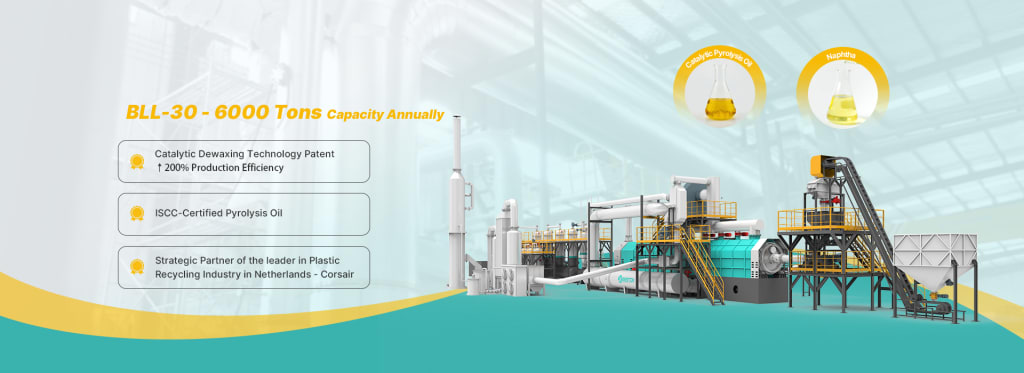
In a world grappling with mounting waste, resource depletion, and climate imperatives, the need for transformative solutions has never been more urgent. One technology quietly reshaping the energy and materials landscape is pyrolysis—a thermochemical process unlocking value from waste by converting it into fuel, gas, and char. More than just a recycling tool, pyrolysis is at the heart of the waste-to-fuel revolution, a critical pathway for building a circular, zero-waste, low-carbon future.
The Waste Crisis: A Global Challenge Demanding Innovation
Every year, humanity generates over 2 billion tons of municipal solid waste, a number expected to climb to nearly 3.5 billion tons by 2050, according to the World Bank. Plastic waste alone accounts for over 400 million tons annually, much of which ends up in landfills or oceans. Traditional recycling struggles to keep up—mechanical processes are inefficient, and contaminated or composite materials are often unrecyclable.
At the same time, global energy systems are under pressure to decarbonize while maintaining reliability and affordability. This creates a dual challenge: what to do with waste—and how to find sustainable energy sources.
Pyrolysis provides a compelling answer to both.
What Is Pyrolysis? The Science Behind the Solution
Pyrolysis is the process of decomposing organic materials in the absence of oxygen, typically at temperatures ranging from 350°C to 700°C. The result? A separation of the input waste into three main products:
- Pyrolysis oil (bio-oil or synthetic crude) – a liquid fuel that can be refined into diesel, jet fuel, or chemical feedstock
- Syngas – a combustible gas that can be used to generate electricity or heat
- Char (solid carbon) – a material that can be used as activated carbon, soil enhancer (biochar), or industrial carbon black
The technology is versatile, applicable to a wide range of feedstocks including waste plastics, used tires, biomass, sewage sludge, and more. In essence, pyrolysis turns today’s waste into tomorrow’s resources—closing the loop between consumption and regeneration.
The Rise of Waste-to-Fuel: Why Pyrolysis Matters Now
The idea of extracting fuel from waste is not new—but recent technological advancements have made it far more efficient, scalable, and economically viable.
1. Continuous Pyrolysis Systems: Breaking Through the Bottlenecks
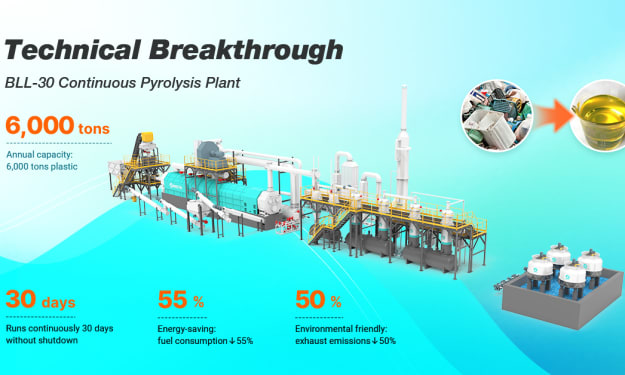
New-generation pyrolysis systems are continuous, modular, and digitally controlled, minimizing downtime and maximizing throughput. Advanced designs integrate anti-polymerization mechanisms and high-efficiency condensation systems to ensure cleaner operations, lower maintenance costs, and higher oil yields.
2. From Black Goo to Clean Fuel: Upgrading Pyrolysis Oil
Modern refining techniques now enable pyrolysis oil to meet fuel standards for transportation, maritime, and industrial sectors. Catalytic hydrotreating, fractional distillation, and deoxygenation technologies allow for the upgrading of crude pyrolysis oil into diesel-range hydrocarbons and chemical precursors.
3. Environmental and Economic Value
Unlike incineration, which destroys material value and emits CO₂, pyrolysis preserves carbon in usable forms and offers better control over emissions. In regions with high waste disposal costs or fossil fuel dependence, the economic payback can be significant.
Strategic Applications: From Cities to Heavy Industry
Pyrolysis plant is rapidly becoming a cornerstone technology in multiple sectors:
- Urban Waste Management: Municipalities can reduce landfill volumes, create local energy, and monetize waste streams.
- Plastic & Tire Recycling: Chemical recycling via pyrolysis can process low-grade or mixed plastics that mechanical recycling cannot handle.
- Agro-industrial Ecosystems: Pyrolysis of agricultural waste produces biochar for soil and bio-oil for rural energy needs.
- Heavy Industry & Shipping: Pyrolysis oil offers a low-sulfur alternative to bunker fuel in maritime and high-heat applications.
A Vision for the Future: Zero Waste, Net Zero Carbon
The integration of pyrolysis into broader circular economy strategies is a game-changer. Imagine a world where:
- Plastic packaging never becomes pollution, but instead becomes fuel or raw material for new plastics
- Cities generate local clean energy from waste, reducing landfill burden and fossil fuel imports
- Industries achieve carbon-negative operations by combining pyrolysis with carbon capture and biochar sequestration
This isn’t science fiction—it’s a future that leading-edge pyrolysis systems are already making possible.
Conclusion: A Revolution Worth Fueling
Pyrolysis is not merely a recycling method—it is a rethinking of resource flows, energy systems, and waste itself. By converting liabilities into assets, it aligns economic incentives with environmental imperatives. As the world races toward sustainability, the waste-to-fuel revolution powered by pyrolysis offers one of the most pragmatic and powerful tools at our disposal.
If we are serious about a zero-waste, low-carbon future, pyrolysis must take center stage.
About the Creator
Author’s Advice
If you would’ve asked me 20 years ago did I know I’d become a writer and an author, I would’ve said “nope, ain’t happening”. As fate would have it I did become an author and I can honestly say I’m loving it so far. It really does feel good to be a writer. I’ve learned a lot on this journey and I feel like with even me being as new to this world as I am, there’s some wisdom I need to share with every other aspiring author.
By Joe Patterson3 days ago in Journal
Gulf states lose $15bn in energy revenues since start of war
Gulf states have lost an estimated $15 billion in energy revenues since the start of the ongoing war in the region, according to analysts tracking the impact on the global oil and gas markets. The losses have been driven by a combination of disrupted production, damaged infrastructure, and reduced demand from international buyers, highlighting the economic vulnerability of nations heavily reliant on hydrocarbon exports. The conflict, which erupted earlier this year, has affected key energy-producing countries in the Gulf, including Saudi Arabia, United Arab Emirates, and Kuwait. Analysts report that output reductions, combined with logistical challenges in transporting oil and gas, have led to significant shortfalls in state revenues that fund public services, infrastructure projects, and social programs. “Energy exports are the lifeblood of the Gulf economies,” said an energy market expert. “Any prolonged disruption, particularly in the context of war, has immediate and severe consequences for government budgets and the broader economy.” In Saudi Arabia, one of the world’s largest oil producers, some key export facilities were temporarily suspended due to security threats near shipping routes in the Gulf. While production has gradually resumed, analysts estimate that the country has lost several billion dollars in expected revenues. Similar challenges have affected the UAE and Kuwait, where ports and pipelines have faced intermittent closures and heightened security alerts. The war has also affected global energy markets, contributing to volatility in oil and gas prices. While higher prices could offset some revenue losses for producers, the ongoing instability has discouraged long-term contracts and international investment, reducing the financial resilience of Gulf states. Shipping insurance premiums have surged, and some international buyers have delayed purchases due to fears of supply disruption. For nations heavily dependent on oil revenues, the losses are particularly concerning. Gulf states allocate a significant portion of their budgets to public welfare, infrastructure, and economic diversification initiatives. The sudden drop in income has forced governments to reassess spending priorities and consider measures such as tapping sovereign wealth funds, issuing bonds, or delaying capital projects. Some analysts warn that prolonged conflict could deepen economic strain. If the war continues for several months or expands geographically, the losses in energy revenue could rise sharply, potentially exceeding $20 billion. “The longer the conflict persists, the greater the economic damage will be,” said one regional economist. “Even minor disruptions to production or export routes can cascade into substantial fiscal shortfalls.” The economic impact is compounded by other global pressures, including fluctuating demand from major energy consumers and competition from alternative suppliers. European and Asian buyers have been seeking diversified sources of oil and gas, and sanctions or logistical hurdles have sometimes forced Gulf exporters to redirect shipments or renegotiate contracts at lower prices. In response, Gulf governments have ramped up security measures around energy infrastructure, including pipelines, refineries, and shipping lanes. Military patrols and aerial surveillance have been increased to safeguard exports, but analysts note that these measures add to operational costs and do not eliminate the risk of further revenue losses. Some states have also accelerated efforts to diversify their economies to reduce dependence on hydrocarbons. Projects in renewable energy, technology, tourism, and finance are being prioritized to create alternative sources of revenue. However, analysts caution that such diversification efforts are long-term solutions and cannot immediately offset the financial losses caused by the war. The International Energy Agency (IEA) has highlighted the broader implications of the Gulf revenue losses, noting that disruptions in the region can ripple through global markets. Reduced supply from major Gulf producers can drive up prices elsewhere, affect energy security for dependent nations, and influence inflationary pressures worldwide. While Gulf states continue to manage immediate fiscal challenges, officials are closely monitoring the situation. Contingency plans for energy exports, emergency budget measures, and diplomatic efforts to contain the conflict are all being considered. Experts emphasize that a resolution to the war, or at least a stabilization of key export routes, will be critical to restoring financial stability and ensuring the long-term viability of government programs. The $15 billion revenue loss is a stark reminder of the fragility of oil-dependent economies in the face of geopolitical conflict. As the Gulf navigates this challenging period, governments must balance short-term fiscal needs with longer-term strategic planning, ensuring that both immediate and future economic stability are safeguarded. The coming months will be pivotal, with analysts predicting that energy revenues, market confidence, and regional stability are all tightly intertwined, and the trajectory of the war will determine the scale of financial losses for Gulf states in 2026 and beyond.
By Fiaz Ahmed a day ago in Journal


Comments
There are no comments for this story
Be the first to respond and start the conversation.