
Public ‘Sick to Death’ of Vape Shops on High Street
Growing frustration sparks debate about regulation, public health, and local business balance
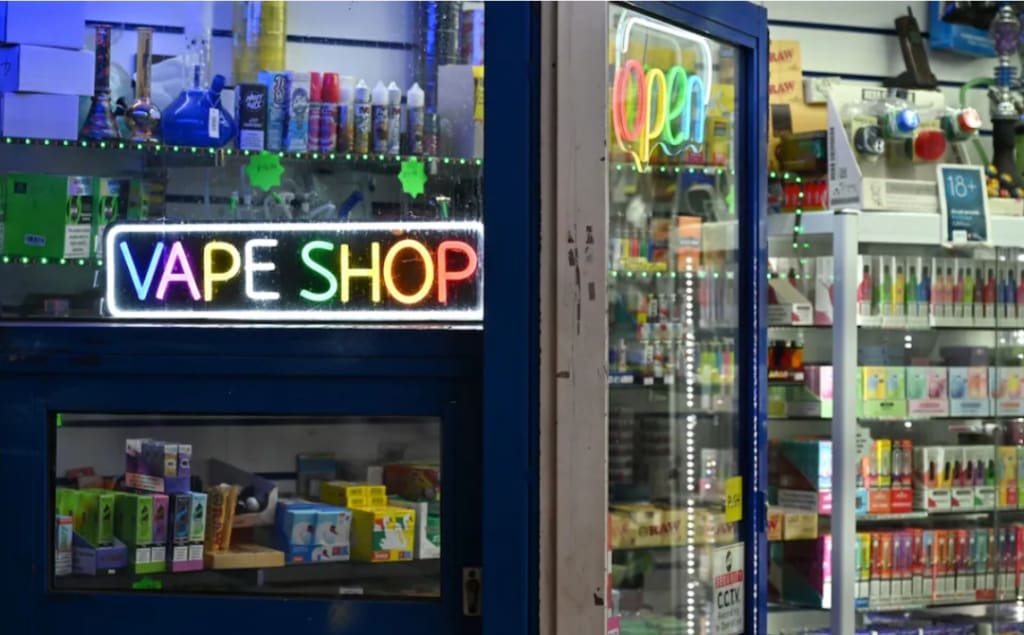
Across many towns and cities, high streets have undergone significant changes over the past decade. Traditional retail stores have declined, replaced by convenience outlets, betting shops, and increasingly, vape stores. Now, growing numbers of residents say they are becoming “sick to death” of seeing vape shops dominate high street spaces, sparking national conversations about urban planning, public health, and retail diversity.
While vaping businesses argue they serve consumer demand and support smoking cessation, critics believe oversaturation is harming high street identity and community wellbeing.
The Rapid Rise of Vape Shops
The vaping industry has grown rapidly, driven by declining smoking rates and increased demand for alternative nicotine products. As regulations tightened around traditional tobacco, vaping was often marketed as a less harmful alternative.
Several factors contributed to vape shop expansion:
Lower startup costs compared to traditional retail
High profit margins on vape products
Strong demand from smokers switching to alternatives
Growth of flavored and customizable vaping products
This has resulted in multiple vape shops opening within small high street areas.
Public Frustration and Community Concerns
Many residents argue the number of vape shops has reached a saturation point. Complaints often focus on:
Lack of variety in local retail
Concerns about youth exposure to vaping culture
Visual impact of repeated identical storefronts
Fear of normalization of nicotine use
Local community groups say high streets should reflect a wider range of services, including independent shops, cafes, and essential retail.
Public Health Debate
Public health experts remain divided on vaping’s long-term impact. While many health organizations recognize vaping as potentially less harmful than smoking, concerns remain about youth uptake and long-term dependency.
Supporters argue:
Vaping helps adult smokers quit cigarettes
It reduces exposure to harmful tobacco smoke
It can be part of harm-reduction strategies
Critics counter that:
Flavored products may appeal to young people
Long-term health effects remain uncertain
Easy retail access increases experimentation
The Business Perspective
Vape shop owners argue they are responding to consumer demand and operating legally. Many highlight that small vape businesses provide jobs and contribute to local economies.
Industry representatives often state:
They follow age verification laws
They provide smoking cessation alternatives
They operate in vacant retail spaces left by other businesses
Some business owners say they are unfairly targeted despite complying with regulations.
High Street Identity and Urban Planning
Urban planners warn that retail monoculture — when one type of shop dominates — can weaken local economies long term. High streets traditionally thrive when they offer diversity and attract different customer groups.
Potential risks of retail saturation include:
Reduced visitor variety
Lower long-term investment interest
Declining local character
Reduced small business diversity
Some councils are now reviewing planning policies to control oversupply of specific business types.
Government and Regulatory Responses
In some regions, local authorities are considering stricter licensing or zoning rules. Proposed measures include:
Limiting number of vape shops per area
Increasing licensing checks
Strengthening marketing restrictions
Enhancing age-verification enforcement
Governments face the challenge of balancing public health goals, free market economics, and community concerns.
The Changing Nature of High Streets
The rise of vape shops is also part of a broader shift in high street economics. Online shopping has reduced demand for many traditional retail categories.
As a result, high streets are increasingly dominated by:
Service-based businesses
Food and beverage outlets
Convenience retail
Specialist niche stores
Experts say the future of high streets depends on diversification and community-focused retail planning.
Voices from Local Communities
Public opinion remains mixed but increasingly vocal. Some residents say vape shops make high streets feel repetitive and less family-friendly. Others argue they are simply another legal business meeting consumer demand.
Community surveys often show strong support for:
Mixed retail environments
More independent local shops
Community spaces and services
Health-focused business planning
The Future of Vaping Retail
The future of vape shops may depend on regulation and public perception. Possible outcomes include:
Consolidation into fewer but larger stores
Increased online vape retail
Stronger public health regulation
Shift toward medical smoking cessation services
Industry experts predict the market will stabilize as regulations evolve.
Finding Balance
The key issue facing policymakers is balance. Supporting harm reduction for smokers while preventing youth exposure and maintaining vibrant high streets requires nuanced policy.
Solutions may involve:
Targeted zoning rules
Public health education campaigns
Support for diverse local businesses
Strong enforcement of age restrictions
Conclusion
The growing public frustration with vape shop saturation reflects wider concerns about the future of high streets, public health, and community identity. While vape shops play a role in modern nicotine consumption and smoking cessation strategies, their rapid expansion has sparked debate about retail diversity and urban planning.
As governments, businesses, and communities continue to discuss regulation and balance, one thing is clear: the future of high streets will depend on finding ways to meet consumer demand while protecting community character and public wellbeing.
About the Creator
Keep reading
More stories from Aarif Lashari and writers in Journal and other communities.
KFC Delivering Near You in Warszawa on Pyszne.pl
Fast food delivery has become an essential part of modern city life, and Warsaw is no exception. With busy schedules, long commutes, and growing demand for convenience, more residents are turning to food delivery apps. One of the most popular combinations in the Polish capital today is KFC delivery through Pyszne.pl, giving customers quick access to their favourite fried chicken meals without leaving home.
By Aarif Lashariabout 13 hours ago in Journal



Comments
There are no comments for this story
Be the first to respond and start the conversation.