
Pros and Cons of Retinol
A Balanced Idea Of What Retinol Can Do Your Skin
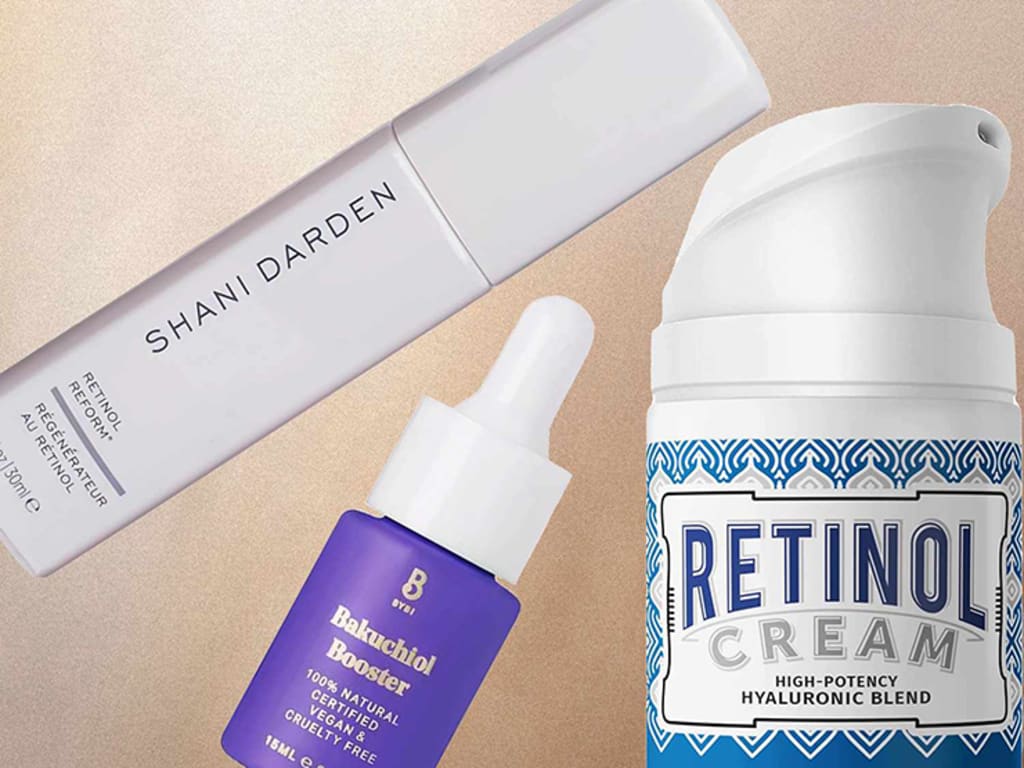
The Truth About Retinol: Its Benefits, Adverse effects and What you need to know:
Retinol is a powerful ally in your skincare regimen which has become a current buzz over the past few decades. As it is extracted from Vitamin A, miracle ingredient for flawless and smooth skin, it reduces wrinkles, evens out the complexion and promotes elasticity of the skin. But before diving in, its crucial to consider both its benefits and potential downsides. So what if you could get a youthful skin but had to deal with some facial flushing and skin irritation? Let's explore its pros and cons to help determine whether it suits you.
The Pros: Its Worth The Hype!
1)Smooths Out Fine Lines and Wrinkles
Retinol does not only reduce the appearance of fine lines and wrinkles, it also promotes the production of collagen which helps to firm up the skin and keeps it looking youthful and radiant. The more you use it, the more it rejuvenates the skin and makes wrinkles look less noticeable. For someone who really needs a miracle agent to fight the signs of ageing, retinol could be a powerful addition to a pre-existing skin routine.
2) Reduces Acne
One of the most celebrated advantage of retinol is its ability to prevent acne. This effect is achieved by enhancing the shedding of dead skin cells to prevent pores getting clogged, which is the primary cause of breakouts. Regular use can lead to a smoother complexion and fewer blemishes
3)Boosts Radiance:
The skin's renewed cell turnover can leave you with a fresh dewy glow. When you use it regularly, it will give your skin a healthy radiance, which is why it's often included in the high-end skin care products, aimed at creating a luminous complexion.
4)Improves Tone and Texture of the Skin
Retinol is also praised for its ability to improve overall skin texture. By increasing the production of new skin cells, it helps to fade pre-existing dark spots, hyperpigmentation, acne marks: and as well as, sun burn marks.
The Cons: Potential Setbacks of its Use
1)Skin Irritation
One of the most common side effects of retinol is skin irritation, which is manifested as dryness, itching, peeling and flaking. The symptoms are usually temporary and mostly occur when starting to use this regimen. For some people, higher concentrations of retinol can cause persistent and unpleasant symptoms.
2)Sensitivity to Sunlight:
Retinol can potentially increase skin's sensitivity to the sun, making it more prone to sun burn and UV damage. Therefore, it is essential to apply sunscreen regularly even on cloudy days, to protect your skin from harmful ultraviolet rays.
3)Not Suitable for Everyone:
Retinol may not be suitable for individuals with certain skin conditions such as, rosacea or eczema; as well as, it's not recommended for pregnant or breastfeeding mothers. For this reason, it is extremely crucial to consult with a dermatologist or even a cosmetologist, particularly if you have a sensitive skin or specific concerns.
4) Takes time to see results:
Although retinol is a game changer when it comes to reducing fine lines and wrinkles, it take stime to see considerable results. Typically it takes anywhere from 4-6 weeks to start noticing rejuvenation effects. Patience and consistency is the key when using retinol to achieve remarkable results.
How to Incorporate Retinol into Skin Routine:
If you are new to retinol, it's important to introduce it gradually into skincare routine, starting with a lower concentration (0.25-0.5%) once or twice a week. Over time, you can increase the strength and frequency as your skin becomes more tolerant.
Additionally, retinol has to be applied at night, as it can break down when exposed to sunlight. After its application, moisturizer has to be applied to combat any dryness or itching. Its effect is enhanced when a hyaluronic acid moisturizer is applied after its application.
Conclusion
Retinol offers a range of benefits, including reducing fine lines and wrinkles, improving skin texture and fighting acne. However, it can cause some potential side effects like itching and dryness. If you are considering adding retinol to your skin care routine, its recommended to start slowly, protect your skin from sun and be patient while waiting for the results. As always, if you have any concerns or pre existing skin conditions, consulting with a dermatologist is a wise choice before introducing this potent ingredient to your regimen
About the Creator
Keep reading
More stories from Sidra Asad and writers in Journal and other communities.
The Curious Tale of Linda's Heartbeat
Linda was a healthy, energetic 32-year-old woman with no major health issues. She worked as a graphic designer, spending long hours at her desk, but she kept fit with yoga and cycling. One sunny autumn morning, she went for a run through the park. She was halfway through when something strange happened: she felt a sudden, sharp thud in her chest, followed by a fluttering sensation, almost as if her heart had skipped a beat. At first, she brushed it off as nothing, but the sensation returned several more times that week.
By Sidra Asad12 months ago in Chapters
How Retrieval-Augmented Generation Services Are Transforming Enterprises at Scale
Not long ago, many AI initiatives inside large organizations struggled to move beyond pilot projects. The models looked impressive in demos, but once deployed, they often failed to deliver accurate, reliable, or up-to-date results. Hallucinations, outdated knowledge, and lack of transparency made decision-makers cautious about scaling AI across critical business functions.
By Kanak Appinventiv6 days ago in Journal
Smart phones, Humans and Aliens.
WARNING. I will be tapping into one of your favorite creative tensions: The absurdity of humans worshipping their glowing rectangles as if they were tiny oracles. There’s something deliciously poetic about that contradiction, and it lends itself beautifully to an instructive proviso.
By Novel Allen5 days ago in Poets



Comments
There are no comments for this story
Be the first to respond and start the conversation.