
Promoting Healthy Social-Emotional Development in Early Childhood
Social-Emotional Development

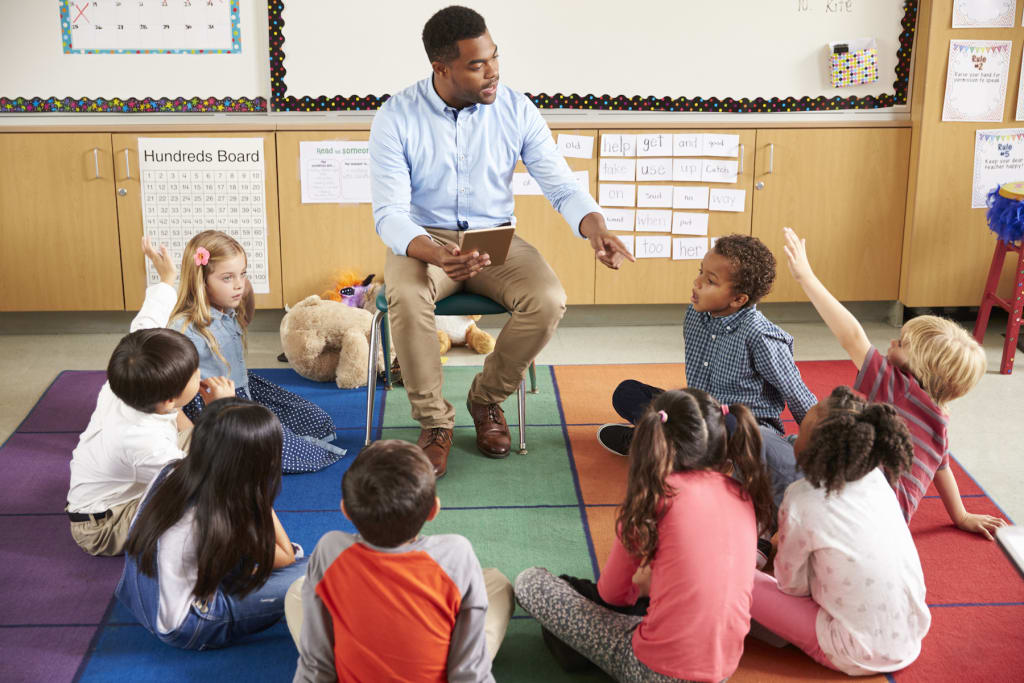
Early Social-Emotional Development support establishes a strong basis for children's future success. It empowers kids with the abilities they need to effectively manage their feelings and actions, build trusting connections with everyone, adheres to rules and responsibilities, and engage in group activities. Research demonstrates that students who have social-emotional support in their early childhood programs achieve greater academic success than students who do not.
Both interpersonal and intrapersonal capabilities are developed as part of social and emotional growth and are required for overcoming obstacles and fitting into a wide range of contexts. It consists of both self-directed and other-focused emotional skills.
There are some ways by which one can develop healthy Social-Emotional Development in their child at an early age:
1. Demonstrate rather than simply telling: By using signs and other visual elements to demonstrate something to kids, you can speak with them about what they need to do. This is known as "showing while telling." Don't lose track of the positive points; concentrate on what you can do as opposed to what you can't. For instance, you might touch the coat while saying, "After we have completed putting our coat on, we'll be able to go outdoors." For kids that require further assistance to comprehend what you are saying, showing while telling is extremely advantageous.
2. Encourage open communication: Create a safe and supportive environment for your child to express their feelings and thoughts. Listen actively, without interrupting or judging. Show empathy and understanding. Encourage your child to communicate with you and others by modeling good communication yourself.
3. Foster positive relationships: Encourage your child to form positive relationships with peers and adults. Help them learn how to be a good friend by modeling positive behaviors and helping them learn to understand the perspectives of others. Encourage cooperative play and teamwork, and praise your child for their efforts in building positive relationships.
4. Teach problem-solving skills: Asking open-ended, thought-provoking questions will aid in your child's development of problem-solving abilities. Inspire them to think of answers to common issues and assist them in weighing the advantages and disadvantages of every solution. Recognize your child's accomplishments and development while encouraging them to grow from their mistakes.
5. Support emotional regulation: Teach your child strategies for managing their emotions, such as deep breathing, counting to 10, or taking a break. Help them recognize and name their feelings, and validate their emotions. Create a routine that includes time for relaxation and self-care, such as reading, taking a bath, or spending time outside.
6. Support emotional regulation: Teach your child strategies for managing their emotions, such as deep breathing, counting to 10, or taking a break. Help them recognize and name their feelings, and validate their emotions. Create a routine that includes time for relaxation and self-care, such as reading or spending time outside.
7. Teach empathy and kindness: It is essential to model and promote empathy and kindness towards others in our children. This involves teaching them to comprehend the emotions of others and expressing empathy through both words and actions. Encourage your child to engage in acts of kindness as this can help them develop compassion and empathy towards others.
Conclusion:
A crucial component of early childhood development is social-emotional development. Strong SEL Teaching in kids makes them more capable of overcoming obstacles in life. You can prepare your kids for success in school, as well as in their professional and personal lives by making early investments in their SEL.
About the Creator
Ravinder Thakur
Social and emotional learning (SEL) is the process through which children and adults acquire and effectively apply the knowledge, attitudes, and skills necessary to understand and manage emotions.
Keep reading
More stories from Ravinder Thakur and writers in Journal and other communities.
Why Quality Education is Key to Achieving Sustainable Development
The two are mutually exclusive. Countries can advance when everyone has access to high-quality education. The United Nations Sustainable Development Goal (UN SDG 4), which emphasizes the need for equitable and inclusive education, affirms the value of education. All initiatives for sustainable development, in one way or another, depend on education.
By Ravinder Thakur3 years ago in Journal
Chad Pratt on the Power of Preparation and Recovery
Distance running is often viewed as a test of stamina, but endurance alone is never the full story. Behind every strong, consistent runner is a routine built around preparation and recovery. Warm-ups and cool-downs are not optional extras. They are essential practices that protect the body, sharpen performance, and support longevity in the sport.
By Chad Pratta day ago in Journal



Comments
There are no comments for this story
Be the first to respond and start the conversation.