
Prevent Roof Damage: Expert Cleaning Tips
Keep Your Roof in Top Shape
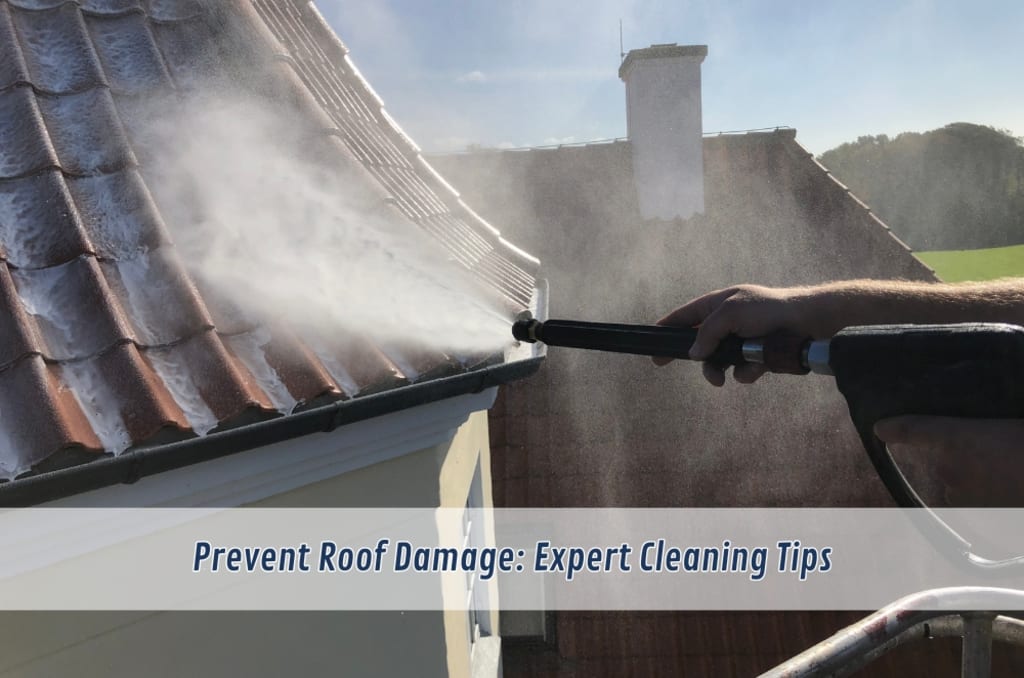
A well-maintained roof is crucial in safeguarding your home or business from the elements. Neglecting your roof will result in costly repairs and water damage. Regular residential and commercial roof cleaning is essential; these will prevent such issues and extend the life of your roof.
In this article, we dig a little deeper into the importance of cleaning, frequent damage, the damage neglect typically gives to roofs, and the best cleaning techniques. We will also discuss the benefits of hiring a professional roof cleaning company to keep your roof healthy after cleanings have happened.
Know your roof
Before you start cleaning your roof, you should be aware of the material from which it is made. The common materials used to make the roofs in Australia include the following:
- Tile roofs: These are very powerful and attractive but get dirty and discoloured over time.
- Metal roofs: Easy to keep clean; dirty and clogged can happen.
- Concrete tile roofs: Concrete tile roofs are strong but prone to algae and moss growing on them.
General signs of roof damage
Look out for the following general signs of roof damage:
- Missing or broken tiles: Check if there are missing tiles or cracked/broken tiles.
- Peeling or cracking paint: This might indicate structural issues on your roof.
- Moss and algae: These cause roof damage and, eventually, water leakage into the house.
- Water stains on the ceiling or walls: this is absolute proof that the roof has leaked.
Cleaning process
Tools and Equipment Required
To clean your roof safely and efficiently, you will need the following:
- A sturdy ladder: ensure that it is upright and steady.
- A stiffer brush: This one is applied to scrub dirt and debris.
- A garden hose: this will come in handy when rinsing the roof.
- A bucket: for the mixture of cleaning solutions.
- Cleaning solution: water with a mild detergent or commercial roof cleaning solution.
Safe and effective techniques for cleaning
- Check roof: First, check your roof for damages before you begin cleaning.
- Clean gutters and downspouts: You should clean out any debris from your gutters and downspouts so that they can work properly.
- Applying the cleaning solution: You may apply the cleaning solution using a soft-bristled brush or sponge.
- Rinse out: A garden hose should be enough to rinse off the cleaning solution.
- Check for damage: After cleaning the roof, it's time to inspect it for hidden damage caused by dirt and debris.
Climate and weather factors
The changeable weather in Australia—heat, heavy rain, and strong winds—can really damage your roof.
- Heat stress: Asphalt shingles break down at high temperatures.
- Heavy rainfall: If water fails to drain off your roof and is unable to collect in the gutters, it may cause extreme damage.
- Strong winds: Strong winds may also displace tiles or shingles, thus making your roof vulnerable to leakages.
Moss and Algae
Moss and algae are very destructive to your roof tiles and may cause slight leaks. You can employ a water and vinegar solution or commercial moss killers, which you can find in most stores. Always read the manufacturers' instructions and put on personal protective equipment when applying the chemical cleaners.
Do it yourself vs. Professional roof cleaning
You can do DIY roof cleaning, but this is usually dangerous and very challenging. If you need more support with your ladder or other forms of working at height, you may hire a professional roof cleaning service.
When to hire a professional roof cleaning
- Steep Roof Professional cleaners are equipped with the proper tools and equipment to clean steep roofs properly in a safe environment.
- Heavy damage: If your roof is severely damaged, an expert will diagnose it and offer you the best cure.
- No time or energy: If you are busy, you may need more time or energy to clean your roof. Professionals will then do it for you.
Maintenance tips after roof cleaning
In order to maintain the best condition for your roof, here are some of the post-roof-cleaning maintenance tips:
- Regular checks: Check your roof at least twice a year or after extreme weather.
- Sealing and caulking: Seal all the immediate cracks or holes in your roof so that water cannot leak into your house and cause damage.
- Trimming hanging limbs: Trim all branches reaching your house roof to reduce their potential damage.
- Clean gutters and downspouts: Regular cleaning can help clean up the clogs that, in turn, overflow.
Conclusion
A good roof saves your house from the elements. With these cleaning tips from experts and continued checking on your part, you can add years to its life and avoid some costly repairs. A happy roof means a clean roof.
It is not a cost but an investment in the life of your home. In any case, it's too late to wait. Take proactive steps to protect your roof and safeguard your house.
About the Creator
Keep reading
More stories from Oakley Barez and writers in Journal and other communities.
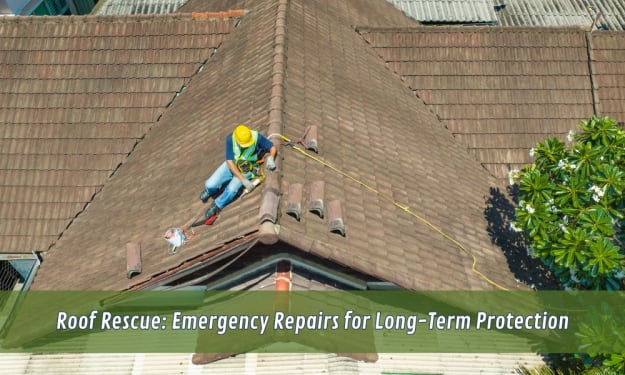
Roof Rescue: Emergency Repairs for Long-Term Protection
Roof leakage can be quite a pain, bringing forth water damage, mould, and high energy costs. Do not let minor problems grow into expensive issues. You want to ensure that any form of urgent roof repairs that occur need to be taken seriously and handled with utmost professionalism. The following article will outline some common signs of damage to your roof, the possible consequences of neglecting this, and the importance of making prompt repairs. We will discuss factors to consider when choosing a roofing contractor, as well as tips for preventative roof maintenance.
By Oakley Barezabout a year ago in Journal
The $18B Pasta Sauce Market: A Flavor Revolution
The kitchen smells like garlic sizzling in olive oil. A jar twists open with a soft pop, and suddenly the aroma of tomatoes, basil, and herbs fills the air. Within minutes, pasta is coated in a deep red sauce that tastes like it simmered for hours — even though dinner came together in less than fifteen minutes.
By Harvey Specter6 days ago in Journal
How to Start a Private Practice That Aligns with Your Long-Term Career Goals
Introduction Starting a private practice is more than securing clients and setting up an office. It’s about creating a professional endeavor that harmonizes with your deepest career aspirations. This guide illuminates the essential components that empower practitioners to launch with clarity, purpose, and long-lasting success.
By Fida Hassain6 days ago in Journal



Comments
There are no comments for this story
Be the first to respond and start the conversation.