
Roof Rescue: Emergency Repairs for Long-Term Protection
Avoid Costly Roof Damage: Emergency Repairs Explained
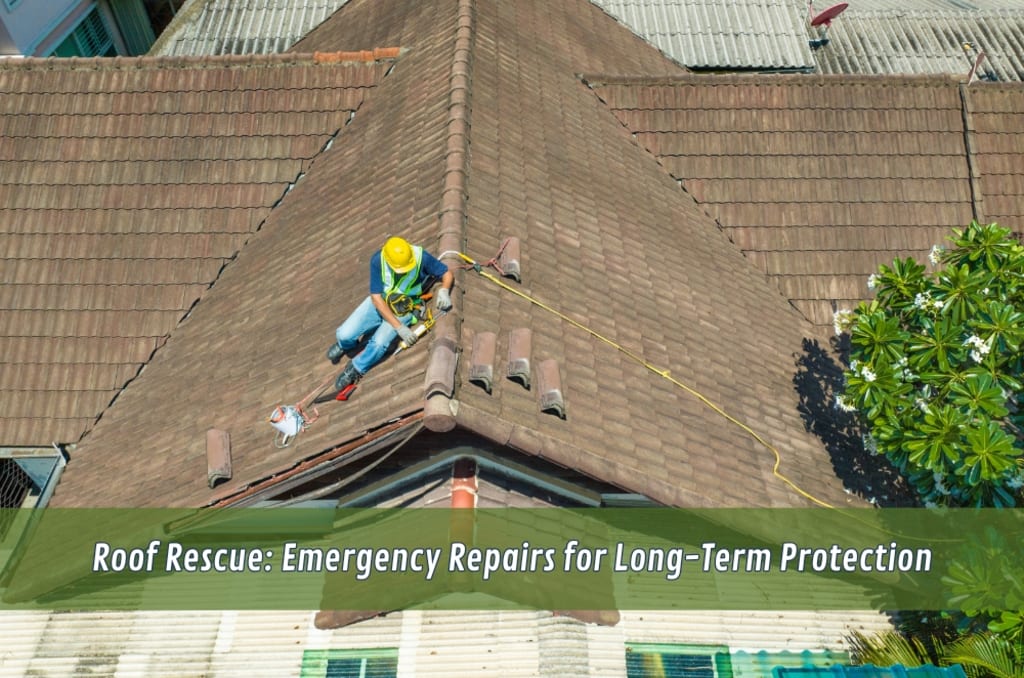
Roof leakage can be quite a pain, bringing forth water damage, mould, and high energy costs. Do not let minor problems grow into expensive issues. You want to ensure that any form of urgent roof repairs that occur need to be taken seriously and handled with utmost professionalism. The following article will outline some common signs of damage to your roof, the possible consequences of neglecting this, and the importance of making prompt repairs. We will discuss factors to consider when choosing a roofing contractor, as well as tips for preventative roof maintenance.
Knowing roof damage
A roof is continually exposed to the constant forces of nature. As time passes, it could deteriorate from wear, and a roof may be exposed to extreme weather conditions. From hot heat waves to torrential rains and high winds, it withstands the full force of the fury of nature. Such elements, over time, can cause damage to your roof in the following ways:
Weather-Related Damage:
- Hail damage: The hailstones can puncture the shingles and tiles, leaving your roof prone to water ingress.
- Wind damage: Strong winds can remove shingles, loosen up tiles, or even remove sections of the roof.
- Storm damage: Extremely violent hurricanes and cyclones can extensively damage roofs, resulting in structural damage and water damage.
Aging and Wear and Tear:
- Leaky roofs: In the long run, the materials break down, causing your roof to leak, which can become a big issue in your home.
- Damaged shingles or tiles: In the long run, the shingles and tiles grow brittle, cracked, and curled and become less efficient at covering your home.
- Rust and corrosion: Metal roofs tend to rust and corrode, especially in coastal areas with high humidity levels.
The costs of neglect
Roof repair negligence causes several problems, such as:
- Water damage: Water damage will result in massive destruction inside your house. Some of the things include:
- Mould and mildew growth: Wet conditions provide a good breeding ground for mould and mildew, which can cause respiratory problems and attack allergies.
- Structural damages: Water can weaken your house's structural framework, leading to sagging ceilings, warped walls, and other problems with the foundation.
- Electrical hazards: Water damage may compromise your home's electrical system, making it vulnerable to electrical shocks and fires.
- Higher energy bills: A damaged roof may increase your energy bills since it will no longer effectively insulate your house. Heat escapes during winter, and cool air seeps in during summer.
Roof repair process
The roof repair process generally entails the following steps:
- Inspection and evaluation: A professional roofer will inspect and evaluate to determine what is wrong. He looks for the presence of leakage, missing or broken shingles, and more.
- Material sourcing: He shall recommend materials suitable for replacement and repair, considering durability, cost, and aesthetics.
- Technique to be used: This depends on the extent and nature of the damage.
The most common ones include
- Patching and sealing: Small leaks often require the repair of the affected area by patching and sealing.
- Replace the damaged shingles or tiles: Replacing the damaged shingles or tiles with new ones helps restore the roof's protective cover.
- Replace the entire roof: Replacing the roof as a whole can be necessary in extreme situations.
DIY versus professional roof repair
Some minor, simple roof repairs can be done with the aid of DIY tools. More complex repairs should still, however, be left to an expert. Here are the pros and cons of both types:
DIY Roof Repair
Benefits:
- Save cost
- It gives one a sense of accomplishment
Drawbacks:
- Risk injury
- Most likely make an error
- No warranty
Professional Roof Repair
Benefits:
- Skilled professionals and expertise
- Quality work is delivered
- Warranty and insurance will be guaranteed
Drawbacks:
Cost is expensive
Choosing a roofing contractor
Experience and expertise: Look for a contractor who has worked in roof maintenance for two or more years.
- Licencing and insurance: The contractor ought to have licensure and be covered by some form of insurance for your benefits.
- Reviews and testimonials: Read from the former clients to find the reputation of the contractor.
- Estimates: Be given precise forecasts with details of work done, materials, and costs involved.
- Warranties and guarantees: Ask if he provides material and labour guarantees
Preventive roof maintenance
Preventive maintenance is the best way to avoid costly repairs to your roof. The following are some tips to ensure that your roof remains in good condition:
- Schedule regular inspections to identify potential problems early on.
- Remove debris such as leaves, twigs, and branches from your roof to prevent clogs and water damage.
- Sealing and caulking: Seal all cracks and gaps on your roof to prevent water from penetrating.
- Tree trimming: Trim overhanging branches to reduce the chance of falling branches causing damage.
Conclusion
A well-maintained roof means protection for your house. You can prolong its lifetime as well as avoid costs spent on energy with regular check-ups and prompt dealing with pressing roof repairs. The last leak can quickly bring to life the greatest of troubles, so you don't have time. Seek qualified roofing contractors for any evidence of roof damage so they can evaluate it and tell you what has to be done.
About the Creator
Keep reading
More stories from Oakley Barez and writers in Journal and other communities.
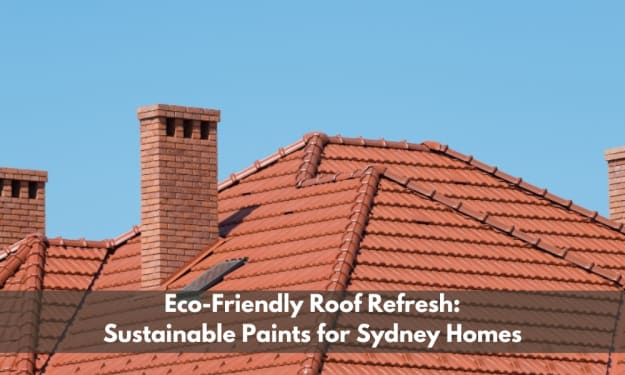
Eco-Friendly Roof Refresh: Sustainable Paints for Sydney Homes
It has become a typical occurrence for me in Sydney to be exposed to the hot sun and occasional summer showers. These components, when they are pretty, could cause great damage to our home, even to our roof. Having realised that the colourful terracotta tiles, which were my colony for a couple of years, started to fade and wearing signs, I became aware that I should be painting roof tiles. But as the environmental concerns are continuously increasing, I want to be certain that my clothes are produced and sold in a sustainable way. It's then that I stumble upon eco-friendly paints, a perfect option for imparting a new style and attitude to my roof all the time while maintaining a low impact on the planet's environment.
By Oakley Barez2 years ago in Journal
Redefining the Future of Work
Michael Mollod is at the forefront of a technological revolution, reshaping how organizations harness the power of intelligent automation. Renowned for his visionary strategies, Mollod has helped industries worldwide implement systems that do more than just streamline tasks—they amplify human potential. By combining innovative technology with human-centric design, he has established a model for organizations looking to thrive in an era where efficiency, accuracy, and adaptability are critical to success. His work demonstrates that automation is not about replacing people; it is about creating smarter, more capable teams that achieve extraordinary results.
By Michael Mollod7 days ago in Journal
Worth the Wait: Puerto Viejo, Costa Rica
Beach bumming in a small Caribbean beach town sounded like a perfect way to end our 6-month trip through Mexico and Central America. Or so we thought. The foul, fishy stench of rotten seaweed hit our nostrils as we stepped from the cramped bus and looked out at a rather depressing, empty, and underwhelming black sand beach. It was pouring with rain, and we had to quickly fish out our ponchos. We thought, this couldn’t be it, could it?
By Sh*t Happens - Lost Girl Travel6 days ago in Wander



Comments
There are no comments for this story
Be the first to respond and start the conversation.