
Presidents' Day: A Look at the History and Significance of the Holiday
Parades, Sales, and Cultural Activities: How Americans Observe Presidents' Day Today
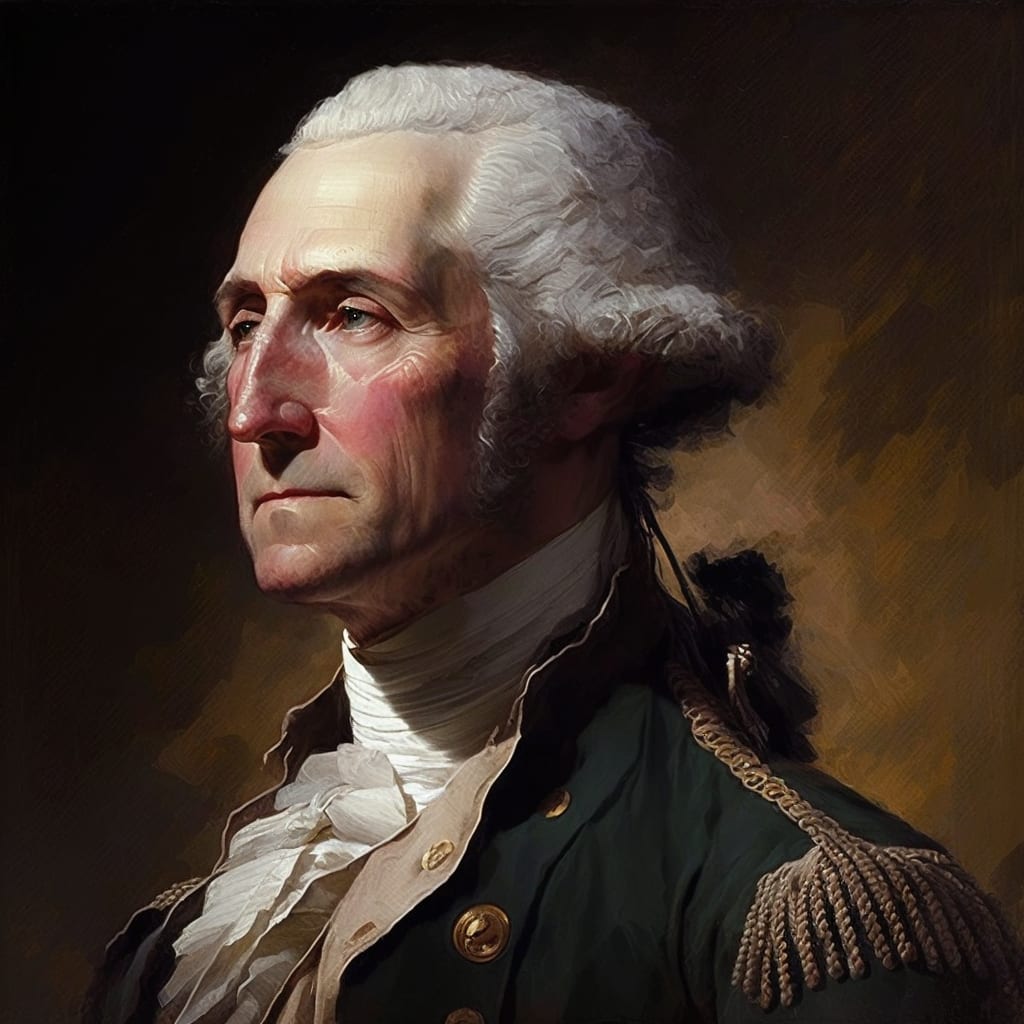
Washington's Birthday, also known as Presidents' Day, is a federal holiday celebrated in the United States on the third Monday of February. The holiday honors George Washington, the first President of the United States, and other presidents who have served the country.
History of Washington's Birthday
George Washington was born on February 22, 1732, and the date became a day of remembrance after his death on December 14, 1799. The first official observance of Washington's Birthday was in 1800, when the House of Representatives passed a resolution to commemorate the day. The Senate followed suit in 1810, and the holiday became a national holiday in 1885.
In the 1960s, the federal government began to move toward a uniform Monday holiday, and in 1971, President Richard Nixon signed the Uniform Monday Holiday Act into law, which moved the celebration of Washington's Birthday to the third Monday in February. The holiday was also expanded to honor all presidents who have served the country, and was officially renamed "Presidents' Day" in 1971.
How is Washington's Birthday Celebrated?
Washington's Birthday is celebrated in different ways throughout the United States. Some people choose to honor George Washington by visiting historic sites and museums, while others celebrate the holiday by attending parades or watching reenactments of historic events.
Many businesses and schools close on Washington's Birthday, and some government offices may also be closed. Retailers often offer sales during the holiday weekend, making it a popular time for shopping.
Washington's Birthday is also a time for many Americans to reflect on the presidency and the contributions of presidents throughout American history. It is a time to celebrate the principles of democracy and to remember the sacrifices that have been made to preserve the freedoms that Americans enjoy today.
In some communities, Washington's Birthday is celebrated with special events, such as concerts, plays, and other cultural activities. These events are often organized by local historical societies or other groups that are dedicated to preserving the country's rich history.
Presidents' Day and the Presidency
Presidents' Day is a time to reflect on the presidency and the role that it plays in American life. It is an opportunity to recognize the contributions that presidents have made to the country, as well as the challenges they have faced along the way.
The presidency is an institution that has evolved over time, and each president has left his or her own unique mark on the office. From the earliest days of the republic, presidents have had to grapple with issues such as war, economic turmoil, and social unrest.
Despite these challenges, presidents have been able to achieve great things for the country. From George Washington's leadership during the Revolutionary War, to Abraham Lincoln's efforts to preserve the Union during the Civil War, to Franklin D. Roosevelt's New Deal programs during the Great Depression, presidents have been instrumental in shaping the course of American history.
Today, the presidency remains a powerful symbol of American democracy. Presidents are still tasked with leading the country through difficult times, and they continue to inspire the nation with their leadership and vision.
Conclusion
Washington's Birthday is a holiday that celebrates the presidency and the contributions of the men who have held that office. It is a time to reflect on the history of the country and to honor the sacrifices that have been made to preserve American freedom and democracy.
While the holiday has evolved over time, it remains an important part of American culture. Each year, millions of people celebrate Washington's Birthday in their own way, whether by attending parades, shopping, or simply taking time to reflect on the presidency and its role in American life.
About the Creator
Keep reading
More stories from Jeevanantham Sakthivel and writers in Journal and other communities.
Haunted House Horror
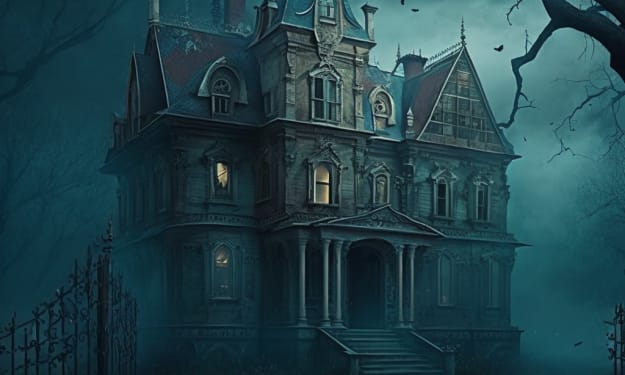
In the small town of Ravenwood, nestled in the heart of the dense forest, stood an old mansion that had been abandoned for decades. The locals called it the "Haunted House," and its eerie presence was felt by all who dared to venture near it. The mansion's tall, looming silhouette, with broken windows and overgrown ivy, seemed to watch over the town with an ominous sense of foreboding. Many tales were whispered about the house's dark history, and some claimed that the spirits of the previous inhabitants still lingered within its walls, seeking revenge for past wrongs. Despite the rumors, a young family recently moved into the mansion, hoping to start anew in a fresh environment. However, little did they know what terrors awaited them within those walls...
By Jeevanantham Sakthivel3 years ago in Horror


Comments
There are no comments for this story
Be the first to respond and start the conversation.