
Preparing Mentally for the MPU: How to Pass the Psychological Test and Regain Your License
Understanding the psychological core of the MPU and how to overcome fear, confusion, and rejection.
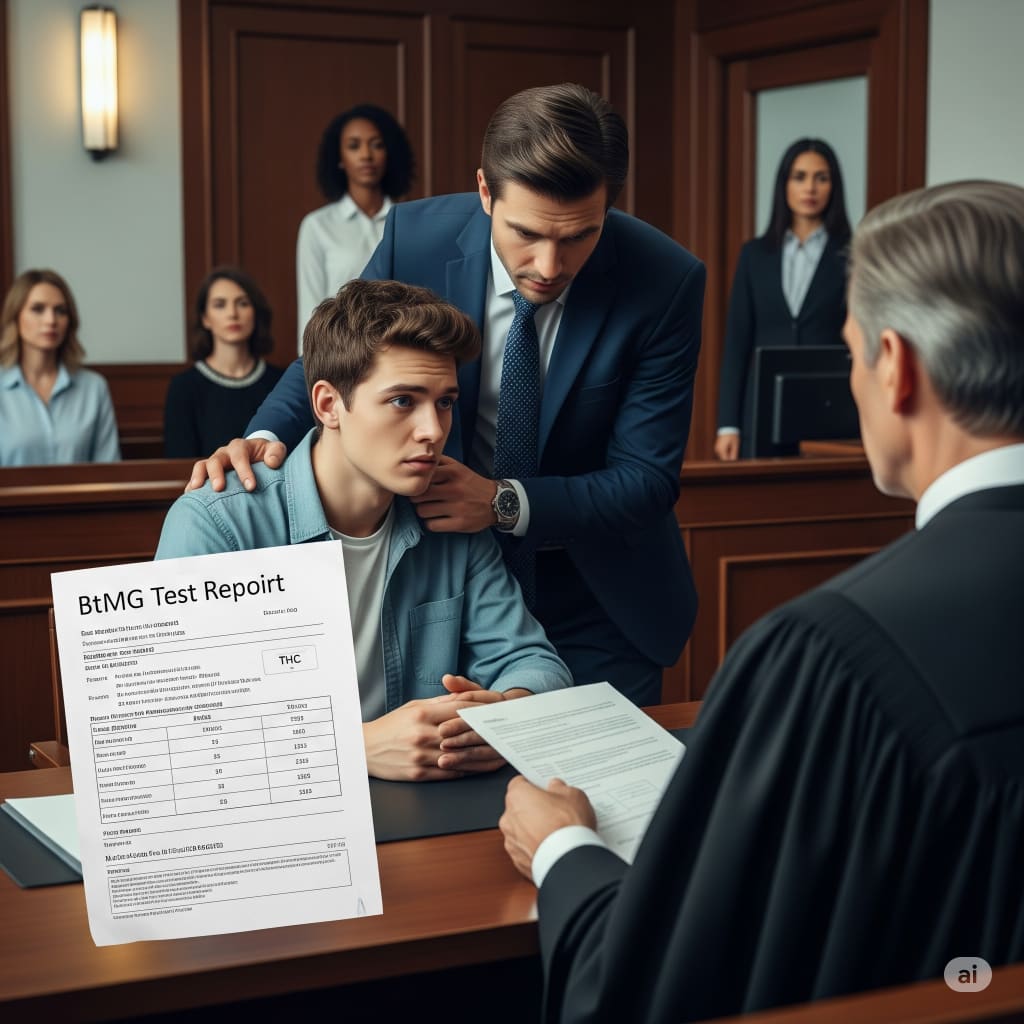
In Germany, the MPU — or Medizinisch-Psychologische Untersuchung — is often misunderstood. Many assume it’s just a check-up or simple test. In reality, it’s a deeply psychological assessment that determines whether you're mentally fit to drive again after serious violations like DUI, Cannabis use, or repeated traffic offenses.
But here’s the truth: Most people don’t fail the MPU due to medical or legal issues — they fail because they aren’t mentally prepared.
This blog will guide you through:
- What the MPU psychologist looks for
- How to mentally prepare
- Why your mindset is everything
- The importance of legal and psychological support
What Is the MPU Really Testing?
Contrary to what many believe, the MPU is not just about proving you’re clean. It’s about showing that you’ve truly changed.
The psychologist wants to understand:
- What led to your offense (e.g., drug use, aggression, speeding)
- What lessons you’ve learned
- How you’ve changed your behavior and mindset
- Whether you’re a future risk to public safety
This isn’t something you can fake. It requires authentic reflection, consistent lifestyle changes, and the ability to explain them clearly.
How the Psychological Interview Works
The psychological interview usually lasts 45–90 minutes. During this time, the MPU psychologist may ask:
- Why did you drive under the influence?
- What was your motivation back then?
- What has changed since then?
- How do you avoid the same risk today?
- What support systems have you built?
If your answers sound vague, evasive, or overly rehearsed, you will likely receive a negative MPU.
Why Do So Many People Fail the MPU?
Common reasons for failing include:
- Lack of self-reflection ("It wasn’t my fault")
- Minimizing the offense ("It was just one joint")
- No proof of abstinence or behavioral change
- Contradictory statements during the interview
- Overconfidence without real preparation
This is where mental preparation becomes vital — and where both psychological and legal professionals come into play.
Mindset Shift: From Fear to Confidence
Fear is natural before the MPU. But fear leads to:
- Forgetting your answers
- Defensive behavior
- Anxiety-driven responses
Instead, shift your mindset:
- You are not on trial.
- You’re being asked to prove personal growth.
- The psychologist is not your enemy — but they’re trained to spot dishonesty.
Steps to Mentally Prepare for the MPU
1. Understand Why You’re There
Accept responsibility for your past. Whether it was DUI, Cannabis, or reckless behavior, own it.
2. Keep a Journal
Write down your thoughts, what led to the incident, and how you’ve changed. This builds clarity and honesty.
3. Take Responsibility
Avoid blaming the police, weather, friends, or stress. Acknowledge that you made a decision — and now you’ve learned from it.
4. Use Professional Help
Seek MPU preparation coaches or psychologists. They simulate the interview, correct your statements, and help shape authentic responses.
5. Consult a Lawyer
A Rechtsanwalt Verkehrsrecht or MPU Anwalt ensures your legal narrative aligns with your psychological one.
Legal Perspective: How Lawyers Improve Your MPU Outcome
While a psychologist helps with mental preparation, a Verkehrsrecht Anwalt ensures:
- Your legal documentation (abstinence proof, therapy proof) is strong
- Your statements in the interview do not conflict with legal facts
- The MPU order itself was valid and properly served
- You are not being treated unfairly due to poor process or assumptions
Many people don’t know: With legal support, some MPU orders can even be challenged or delayed to give you time to prepare properly.
Behavioral Changes: What Must You Show?
MPU psychologists look for visible changes in:
- Daily habits (no longer associating with risk situations)
- Substance abstinence (6–12 months of clean tests)
- Emotional maturity (less impulsiveness, more responsibility)
- Stress handling (driving under control even under pressure)
If you cannot show these, your MPU meaning is likely to be “negative” — and you must repeat the whole process.
Kanzlei Nattermann’s Psychological Guidance Approach
Legal and Mental Support Under One Roof
One of the few firms we’ve found offering integrated psychological support is Kanzlei Nattermann. They partner with MPU coaches, psychological counselors, and prepare clients not only legally but mentally.
This approach increases your chances of a positive MPU because you go in with:
- Legal clarity
- Authentic reflection
- Prepared answers that match documentation
For anyone struggling with anxiety or confusion about the MPU, their process provides both direction and confidence.
Common Psychological Traps During MPU
Avoid these:
- Saying “I only used once” without context or remorse
- Trying to “impress” the psychologist with clichés
- Talking too much or too little
- Blaming others
- Saying “I’ll never do it again” without explaining why
MPU Meaning: Beyond the Test
What the MPU truly means is that the State believes your driving behavior could be a danger. Your job is to show:
- You understand your past
- You’ve taken real steps forward
- You can be trusted with the responsibility of driving again
This is not a punishment — it’s a rehabilitative tool.
Final Thoughts: The Brain Passes Before the Car Moves
Before you can touch your steering wheel again, the German system wants to know: Have you changed inside?
Passing the MPU psychologically requires:
• Courage to reflect
• Honesty in explanation
• Commitment to change
• Support from professionals — both legal and mental
With the right mindset and help, you won’t just pass the MPU — you’ll come out more confident, more mature, and more ready to move forward.
About the Creator
The Expanding Responsibilities of Today’s Chief Financial Officer
The responsibilities of a Chief Financial Officer have changed steadily over the past several years. While financial accuracy and compliance remain core expectations, many organizations now rely on CFOs for broader guidance. Finance leaders are increasingly involved in planning, operational discussions, and long-term decision-making. This shift reflects a growing recognition that financial insight plays a central role in organizational stability.
By Carolina Guerrenoabout 11 hours ago in Journal



Comments
There are no comments for this story
Be the first to respond and start the conversation.