
Pre-Winter Checklist
7 Subtle Clues Your Tankless Water Heater Needs Repair Now

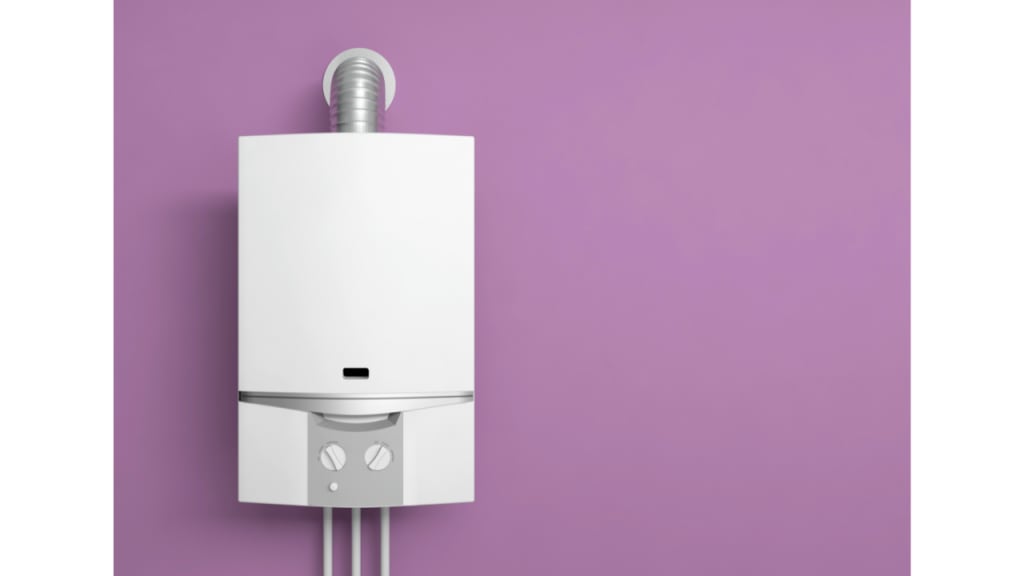
As the chill of late autumn begins to bite, homeowners everywhere turn their attention to preparing their homes for the long, hard winter ahead. Among the most crucial, yet often overlooked, systems in any modern home is the tankless water heater. Unlike their bulky, traditional counterparts, tankless units, also known as on-demand water heaters, provide an endless supply of hot water, a true luxury when the mercury drops. However, their sophisticated nature means that when they start to fail, the signs can be much more subtle than a catastrophic flood from a large tank. Ignoring these quiet warnings before the cold season hits can lead to an inconvenient, and potentially expensive, breakdown when you need hot water the most. If you live in Ohio and are noticing unusual performance, securing timely tankless water heater repair in Dayton is essential to ensure comfort and efficiency. It’s a proactive step that protects your investment and prevents a minor issue from snowballing into a major crisis. This pre-winter checklist details seven inconspicuous clues that your unit is crying out for professional attention right now.
1. Inconsistent Temperature Swings
Most people expect a water heater nearing failure to only produce cold water. However, one of the earliest signs of a tankless heater problem is not a complete lack of heat, but rather a frustrating dance between hot and lukewarm, or even scalding, temperatures. This phenomenon is often referred to as 'cold water sandwiching,' but a persistent, erratic fluctuation is more insidious. It indicates an internal sensor, the flow switch, or the modulating gas valve is struggling to maintain a consistent output temperature. The unit might be overcompensating, causing brief spikes of excessive heat, or failing to ignite quickly enough, leading to intermittent cold bursts. This inconsistency signals that crucial components are wearing out and can no longer react precisely to the demand for hot water.
2. Mild but Persistent Buzzing or Clicking
While tankless water heaters are known for operating quietly, they are not completely silent. When the unit fires up, you expect a light ignition click and the low hum of the fan. But if you notice a mild, persistent buzzing or a rhythmic clicking sound that wasn’t there before, pay close attention. A new buzzing sound can be a sign of a loose electrical connection, vibrating components, or sediment buildup in the heat exchanger, restricting flow and causing the metal to resonate. Persistent, rapid clicking, especially when the unit should be off, might point to a faulty relay switch or a problem with the pilot light sensor. These are small mechanical or electrical faults that pose no immediate danger but are clear indicators that a system failure is imminent.
3. Sluggish Hot Water Delivery
Tankless water heaters are prized for providing hot water quickly. While there is always a short initial delay as water travels from the unit to the faucet, you will become accustomed to this timing. If you suddenly notice that the wait time has marginally increased, even by just a few seconds, it’s a subtle yet critical clue. This increased sluggishness often means the flow sensor is partially obstructed or corroded, slowing down the unit's ability to recognize the water flow and initiate the heating process. Alternatively, it could signify minor scaling inside the heat exchanger, which reduces the efficiency of the heat transfer and forces the unit to work longer before reaching the set temperature.
4. A Slight Drop in Water Flow
If you turn on your shower and the water pressure seems just a hair weaker than usual, most people assume it’s a municipal water issue or a clogged showerhead. Before you call the plumber, check if the drop in flow only occurs when you are running hot water. A small reduction in hot water flow is a classic symptom of scale buildup, which is mineral deposits accumulating inside the unit’s plumbing and heat exchanger. The opening through which the water passes is slowly narrowing, reducing the volume of hot water that can be delivered at any one time. Left unaddressed, this will eventually restrict the flow entirely, but catching it now means a simple flush and descaling procedure can resolve the problem completely.
5. The Need to Reset the Unit More Often
Tankless heaters have sophisticated error codes and safety shutoffs. While an occasional need to hit the reset button after a power surge is normal, repeatedly having to manually restart the unit is a major red flag. If your heater is entering lockout mode without displaying an obvious error code, or displaying a generic one, it suggests a recurring, underlying problem. This could be anything from poor ventilation (an obstruction in the exhaust pipe) to an intermittent flame failure due to a dirty igniter or electrode. Each reset is the heater trying to bypass a safety mechanism, and relying on this temporary fix is risky. It shows the unit is reaching its operational limits and is struggling to run continuously.
6. Faint, Unusual Odors
Smells related to water heaters can be obvious, like the rotten-egg scent of hydrogen sulfide gas (often from an anode rod in a tank heater) or the smell of burning plastic. A tankless unit, however, might emit a much more subtle, metallic, or dusty odor. A faint, dusty smell is often indicative of dust settling on the burners when the unit hasn't been used for a while, but if the smell persists during operation, it could signal overheating. A metallic or ozone-like smell often points to a small, contained electrical short or a wire casing that is overheating. While this smell is usually minor and fleeting, it should never be ignored as it represents a fire risk or a component that is about to burn out.
7. Increased Utility Bills Without Lifestyle Change
The primary selling point of a tankless unit is its high efficiency; it only consumes energy when hot water is being drawn. If you notice a gradual, unexplained creep in your gas or electric bills, and you haven't been taking longer showers or hosting extra guests, your water heater's efficiency may be silently declining. This is often the result of minor issues like a failing igniter, a partially blocked exhaust, or general wear and tear that causes the heater to use slightly more fuel or electricity to generate the same amount of hot water. The cumulative effect over a month becomes noticeable on your utility statement. This sign is an indicator that the heater is no longer operating at its peak efficiency, a problem that is guaranteed to worsen in the cold months when the incoming water temperature is lower and requires more energy to heat.
Don't wait until you are faced with a freezing shower on the coldest day of the year. These seven subtle indicators are your early warning system. Addressing them now, before winter forces your tankless unit to work its hardest, is the smart and economical approach to home plumbing maintenance. If you have noticed any of these clues, secure an inspection today to ensure your tankless water heater is ready to deliver reliable, efficient comfort all season long.
About the Creator
Keep reading
More stories from The Weekend Project and writers in Journal and other communities.
Post-Pandemic Plumbing
The global pandemic fundamentally changed our relationship with indoor spaces. Where once a building’s operational status was a given, today, the unseen systems that govern indoor air and water quality are under unprecedented scrutiny. The public now possesses a heightened awareness of how easily pathogens can spread and how critical infrastructure is to public health security. This shift means building owners, facility managers, and home dwellers must look beyond mere functionality to embrace proactive health standards for their plumbing and HVAC systems. Securing these systems is no longer a luxury but a fundamental requirement, one that often necessitates the specialized expertise of a certified commercial plumbing contractor who understands the complex interplay between water delivery, waste removal, and aerosol transmission within a structure.
By The Weekend Project5 months ago in Journal


Comments
There are no comments for this story
Be the first to respond and start the conversation.