
Post-Pandemic Plumbing
Why Indoor Air and Water Quality Matter More Than Ever

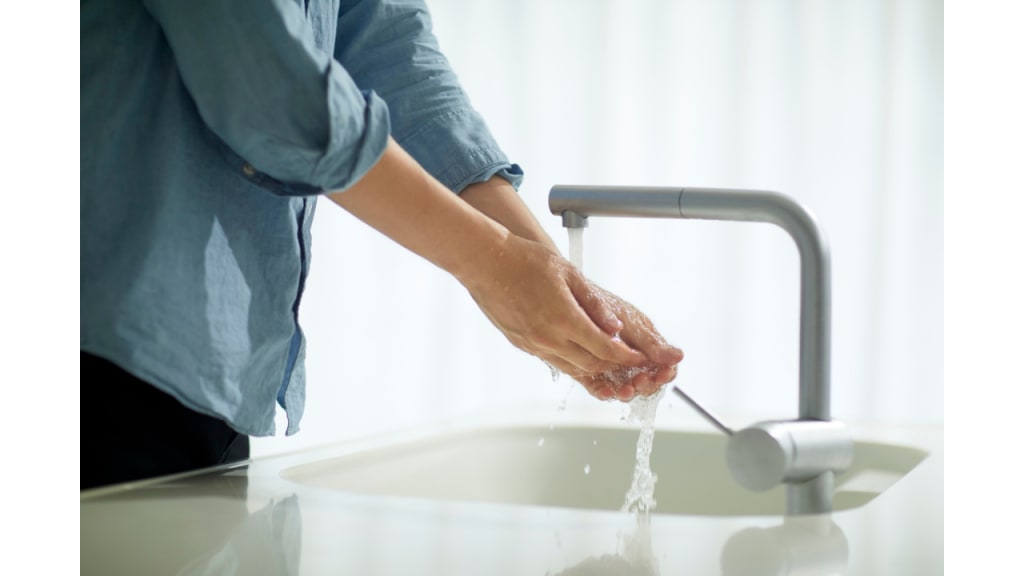
The global pandemic fundamentally changed our relationship with indoor spaces. Where once a building’s operational status was a given, today, the unseen systems that govern indoor air and water quality are under unprecedented scrutiny. The public now possesses a heightened awareness of how easily pathogens can spread and how critical infrastructure is to public health security. This shift means building owners, facility managers, and home dwellers must look beyond mere functionality to embrace proactive health standards for their plumbing and HVAC systems. Securing these systems is no longer a luxury but a fundamental requirement, one that often necessitates the specialized expertise of a certified commercial plumbing contractor who understands the complex interplay between water delivery, waste removal, and aerosol transmission within a structure.
The Health Risks Lurking in Stagnant Water
During lockdowns and periods of low occupancy, many large commercial and institutional buildings experienced prolonged periods where water systems saw minimal use. This creates an environment ripe for the development of dangerous health hazards. Water stagnation can lead to a drastic reduction in disinfectant residual, primarily chlorine, which is meant to keep the water safe. When chlorine levels drop, opportunistic pathogens, most notably Legionella pneumophila, the bacteria responsible for Legionnaires’ disease, can multiply rapidly.
Furthermore, stagnant water increases the concentration of heavy metals leached from aging pipes and fixtures. Lead and copper, while perhaps not reaching critical levels during normal flow, can build up significantly when water sits for weeks or months on end. Facilities must now implement rigorous flushing protocols to cycle fresh, treated water through their entire system, from the main entry point to the furthest tap. This involves systematically opening fixtures to maintain the necessary disinfectant residual and purge accumulated contaminants, a process that should be routinely overseen by qualified professionals.
The Hidden Threat of the Drainage System
The drainage system, often an afterthought, plays a surprisingly significant role in indoor air quality and public health. Every fixture is connected to the waste line via a P-trap, a curved section of pipe that retains a small amount of water to create a water seal. This seal is the barrier that prevents sewer gases, including potentially harmful airborne viruses and bacteria, from backing up into the occupied space.
In low-use scenarios, this vital water seal can evaporate, a phenomenon that was observed globally when commercial offices, schools, and hotel rooms remained vacant for months. Once the trap dries out, a direct path is created for sewer aerosols to enter the building. While the exact transmission mechanism for various pathogens through this route is still studied, the potential for infectious material to be carried into the air by sewer gas is a serious concern. Regular maintenance now must include checking that all traps, even those in rarely-used floor drains and emergency eyewash stations, are primed with water to ensure this critical barrier remains intact. This preemptive approach to drainage integrity is essential for maintaining a healthy indoor environment.
Intersecting Systems: Plumbing, HVAC, and Mold
The health of a building is a holistic concept where plumbing issues can quickly become air quality problems. Leaks, condensation, and general moisture accumulation, often originating from or near plumbing systems, are the primary triggers for mold and mildew growth. Mold spores are powerful allergens and irritants, contributing to respiratory issues and poor air quality.
The challenge intensifies when considering the interaction with the heating, ventilation, and air conditioning (HVAC) system. Condensate drain lines, which remove water generated by air conditioning units, are essentially plumbing components. If these lines clog, overflow, or fail to drain correctly, they can introduce large amounts of moisture into the surrounding ductwork or ceilings, creating ideal conditions for fungal proliferation. Therefore, a modern approach to facility management requires integrated maintenance: ensuring that drain pans are clean, condensate pumps are operational, and relative humidity is controlled not just by the air conditioning unit, but also by quickly addressing any and all water intrusion points throughout the structure.
The Rise of Smart Plumbing Technology
In response to the demand for cleaner, safer facilities, technology has driven a transformation in plumbing fixtures. Touchless technology has moved from a novelty to a necessity. Motion-sensor faucets, automatic flush valves, and hands-free soap and towel dispensers dramatically reduce surface contamination and the transmission of germs. These fixtures are now standard in high-traffic commercial environments, minimizing the points of contact in restrooms and kitchen areas.
Beyond user-facing devices, smart technology is revolutionizing system management. Advanced water monitoring systems can now track water flow in real time, alerting facility managers to potential leaks, unusual usage patterns indicating stagnation, or even temperature fluctuations that could signal an increased risk of Legionella growth. This preventative approach, utilizing sensors and data analytics, allows for small problems to be identified and corrected long before they escalate into major health or structural hazards, making water system oversight more data-driven and reliable than ever before.
Prioritizing Proactive Health Security
The days of fixing a plumbing issue only after a pipe bursts or a drain clogs are over. The focus has firmly shifted to preventative maintenance and establishing systems that actively promote health and safety. Building operators must adopt comprehensive water safety plans that include regular testing, systematic flushing, and detailed record-keeping. They must also ensure that all backflow prevention devices, which protect the potable water supply from contamination, are inspected and certified annually.
Ultimately, protecting indoor health requires vigilance and expertise. The complex standards for water system remediation, the intricate knowledge of drainage hydraulics, and the critical intersection with HVAC systems demand the skills of experienced, specialized tradespeople. Investing in a highly-qualified plumbing service isn't just about preventing leaks; it’s about ensuring the underlying health security of everyone who steps inside the building.
Don't wait for a crisis to evaluate your building’s health infrastructure. Review your water safety and maintenance protocols today. Contact a certified plumbing specialist to schedule a comprehensive assessment of your facility’s water quality, drainage integrity, and the operational status of all low-use fixtures. Proactive maintenance is the best health insurance your building can buy.
About the Creator
Keep reading
More stories from The Weekend Project and writers in Journal and other communities.
The Rise of Nighttime Curb Appeal
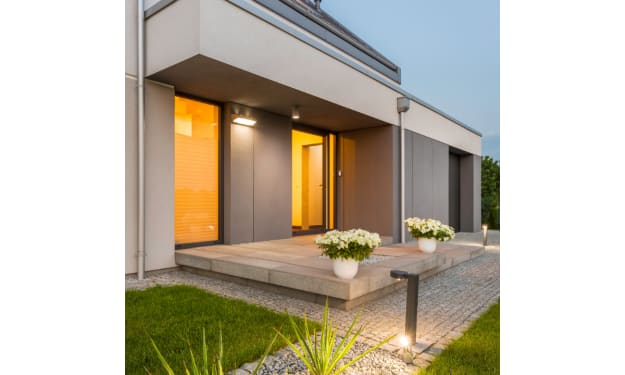
For decades, homeowners focused their attention and budget almost exclusively on daytime curb appeal. Lush lawns, vibrant flower beds, and freshly painted trim were the hallmarks of a well-maintained property, designed to impress during the bright afternoon sun. However, a significant shift is underway in the world of residential design, and the spotlight, quite literally, is turning towards the dark. Homeowners across the country are realizing that a beautiful property deserves to be seen and enjoyed long after sunset, leading to a massive investment in professional outdoor lighting systems. This movement is not just a passing trend; it is a fundamental re-evaluation of how we utilize and appreciate our homes, transforming functional illumination into an essential element of home aesthetics and security. For residents seeking to elevate their property, the choice to invest in quality landscape lighting in Montgomery is rapidly becoming a standard-bearer for sophisticated home management and value addition.
By The Weekend Project5 months ago in Journal


Comments
There are no comments for this story
Be the first to respond and start the conversation.