
Power of 3D Site Plan Rendering: Visualizing Your Project
Nothing communicates a vision more effectively in the construction and design industries than a detailed and immersive visual representation.

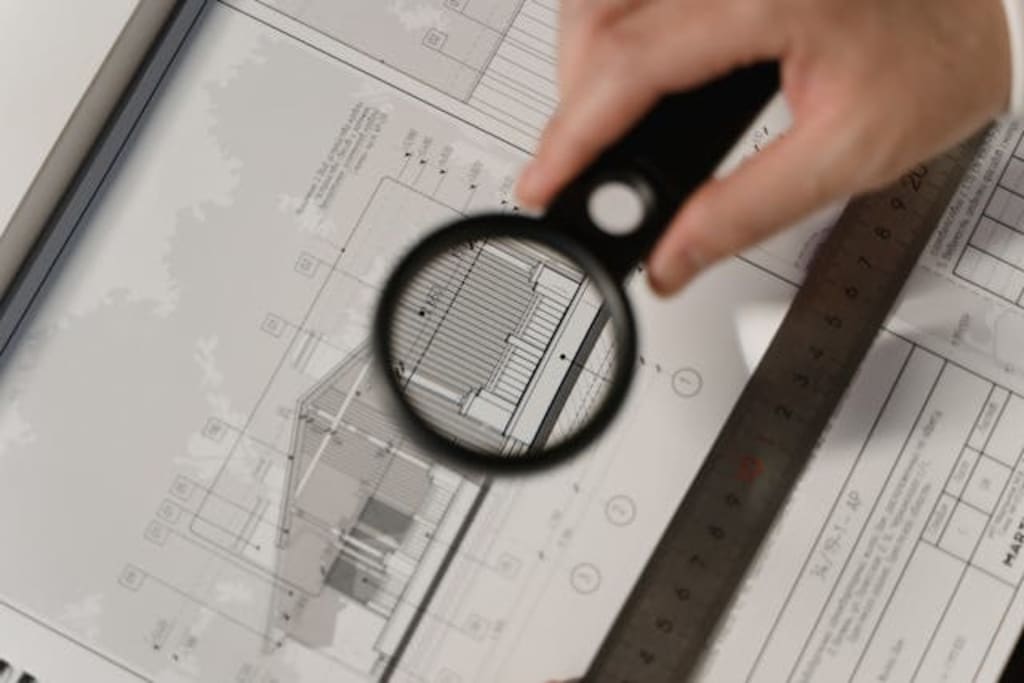
Nothing communicates a vision more effectively in the construction and design industries than a detailed and immersive visual representation. 3D site plan rendering is converting flat, two-dimensional drawings into dynamic, interactive visual experiences, therefore redefining the presentation of projects. With the lifelike view of the future development that this technology offers stakeholders, decision-making, collaboration, and even marketing opportunities are improved. As you learn more about the capabilities of 3D site plans, you will discover that they provide unparalleled clarity and precision in visualizing every detail of your project.
Enhancing Project Visualization Through Realistic Detailing
The ability to offer a high degree of realism and detail is the main benefit of 3D site plan rendering. Using realistic textures, lighting, and spatial interactions, 3D renderings give the project life, unlike those of conventional plans or 2D drawings. You can see exactly how different materials will appear in the sunlight, how shadows will fall at different times of the day, and even how landscaping will change over time. This degree of detail helps you to completely visualize the idea as it will be realized in the real world, thereby providing a more realistic knowledge of the spatial flow and architectural attractiveness. Better decision-making results from the ability to view the project in a more realistic context because it removes a lot of the uncertainty associated with traditional planning techniques.
Facilitating Better Collaboration Among Stakeholders
Any building or design project depends on cooperation to be successful; 3D site plan rendering is a great tool for bringing all the stakeholders to the same vision. Referring to the same 3D model, architects, engineers, contractors, and clients can guarantee that everyone has a clear and consistent knowledge of the objectives and nuances of the project. This common visual depiction facilitates the identification of possible problems, discussion of alternatives, and agreement on design modifications. Moreover, 3D models can be quickly updated to represent modifications, therefore keeping everyone current on the most recent advancements without involving in-depth explanations. This simplified communication helps to improve the design process and lowers the possibility of expensive misunderstandings.
Expanding Marketing and Presentation Capabilities
A project's marketing and presentation potential can also be improved by 3D site plan rendering. A 3D-generated model can be an extremely helpful instrument for real estate experts and developers drawing in possible investors or purchasers. The immersive experience allows users to explore the project in ways that 2D plans simply cannot. Showcasing the layout, design aspects, and surrounding surroundings in rich detail, you can provide virtual tours, fly-through animations, or interactive walkthroughs. This facilitates the sale of the project or secured finance by helping to create enthusiasm and involvement. Furthermore, a well-made 3D model's visual effect can make a difference that guarantees your idea distinguishes itself in a crowded market.
Detecting and Resolving Design Flaws Early On
Finding and fixing design flaws early in the planning stage is one of the main advantages of using 3D site plan rendering. Conventional 2D designs can overlook possible problems, such as conflicts between many design aspects or unworkable spatial layouts. Working with a 3D model, however, allows you to quickly find errors and make corrections before they cause problems during building. By lowering the need for expensive later-process repairs or changes, this degree of foresight saves time and money. In fact, using 3D site plan visualization can help you find design flaws that may not be obvious until the building stage, thereby enabling proactive rather than reactive fixes.
Elevating Client Engagement and Understanding
A common challenge in the construction and design industries is ensuring that clients understand the scope and specifics of their projects. Certain technical knowledge is frequently needed for traditional 2D drawings, which can make some clients feel uncertain or disconnected about the finished product. However, 3D site plan rendering can help bridge this gap by providing a clear and engaging visual representation of the project. Clients can visualize several materials or color schemes, investigate the design from multiple perspectives, and get a better appreciation of how the finished product will appear and function. Since they can actually see their vision come to life, this increased level of engagement not only increases client satisfaction but also fosters confidence and trust. Giving customers more practical experience guarantees that they will be more engaged and committed to the accomplishment of the project.
Conclusion
Offering unparalleled clarity, accuracy, and collaboration, 3D site plan rendering has changed the way projects are envisioned, planned, and completed. This technology lets you confidently and precisely negotiate the development process by bringing designs to life with realistic detail, enabling communication among stakeholders, and improving marketing potential. From identifying design flaws to increasing client engagement, 3D rendering is a dynamic and immersive tool that ensures your project is fully visualized and understood.
About the Creator
Keep reading
More stories from Miranda Spears and writers in Journal and other communities.
Software Escrow 101: A Safeguard for Developers and Clients
In an increasingly digital world, businesses rely on software for daily operations, making software availability critical. But what happens if a software vendor defaults on a contract, ceases operations, or is unable to provide support? This is where escrow services for software are useful. Software escrow offers a safety net guaranteeing continuous access to the required software in unanticipated events, therefore safeguarding developers and customers. It bridges the gap between trust and risk, providing a balanced safeguard for both parties involved in the transaction.
By Miranda Spearsabout a year ago in Journal
The goals I did not achieve
Every writing goal I made for the year is a wash. It has been this way for a while, but I think it's important to be open about my failures and the reality of how life can get in the way. This is especially true considering the several times I have posted on Vocal about my writing goals, how I was changing my approach, and where I was hoping to be for the upcoming year. I will probably do that again in a couple months, but for now, it is time to acknowledge where I am today.
By Kay Husnick22 days ago in Journal
How to Put Out Electrical Fire Without Causing More Damage
By the time the smoke has cleared and the room seems still, the true extent of the destruction caused by an electrical fire is usually on display-melting wires, burned outlets, and blackened walls and, in rare instances, preventable injuries. The spread of most electrical fires is not because they are, powerful, but rather because people act in a wrong manner. Knowledge of the safety of extinguishing electrical fire is not only related to the prevention of fire, but also to the prevention of a small fire turning into a very expensive tragedy.
By Deborah Larson5 days ago in Journal




Comments
There are no comments for this story
Be the first to respond and start the conversation.