
Pipeline Details and its uses
Water pipeline advantage and Disadvantage
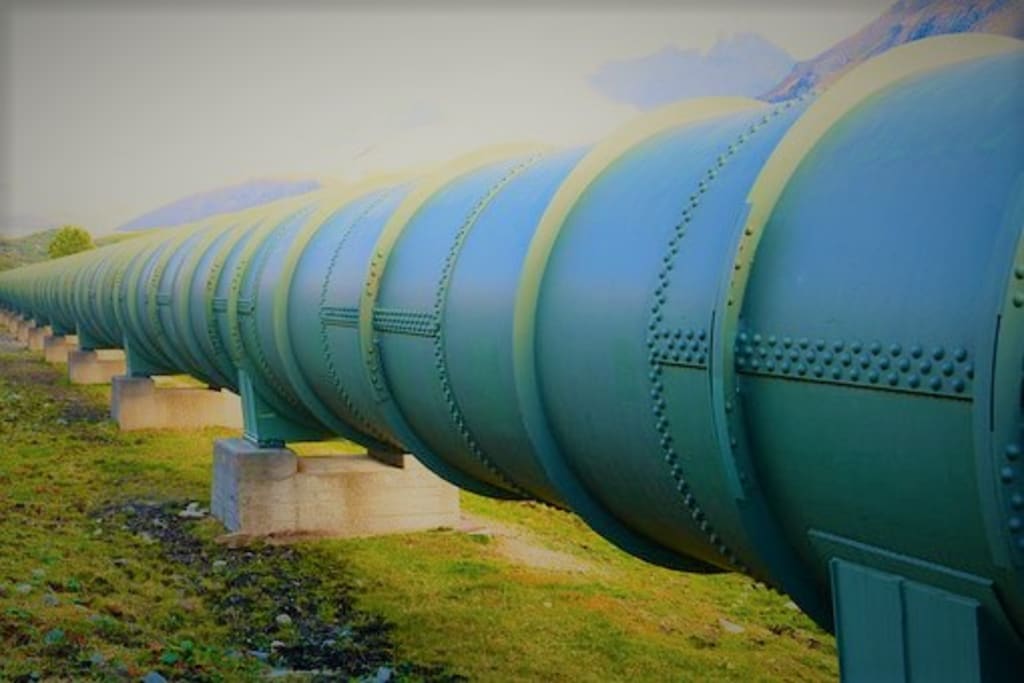
Water Pipeline Means:
In the context of water products, a pipeline refers to a system of pipes used to transport water from one location to another. These pipelines can be used for a variety of purposes, such as delivering clean drinking water to homes and businesses, supplying water to agricultural fields, or transporting wastewater to treatment plants for processing.
Water pipelines are typically made of materials such as steel, concrete, or plastic, and are designed to withstand the high pressures and flows required to transport water over long distances. The pipes are usually buried underground, and may be laid in trenches or bored into the ground using specialized equipment.
Pipelines for water products require regular maintenance and inspection to ensure that they are functioning properly and to prevent leaks and other damage. In some cases, new pipeline construction may be required to meet the growing demand for water products, or to replace aging or damaged infrastructure. The design and construction of water pipelines must take into account a range of factors, such as the quality of the water being transported, the local environment, and the needs of the communities and industries being served.
Uses of Water Pipelines:
Water pipelines have many important uses, including:
1. Drinking water supply: One of the primary uses of water pipelines is to deliver clean drinking water to homes, businesses, and other facilities. Water is typically treated and filtered before being transported through the pipeline to ensure that it is safe for consumption.
2. Agricultural irrigation: Water pipelines can also be used to supply water for agricultural purposes, such as irrigation. This helps to ensure that crops have sufficient water to grow and thrive, even in areas where rainfall is limited.
3. Industrial processes: Many industries require large quantities of water for their manufacturing processes. Water pipelines can be used to transport water to these industries, helping to support economic growth and development.
4. Fire protection: Water pipelines are often used to supply water to fire hydrants and other fire protection systems. This ensures that firefighters have access to the water they need to quickly respond to fires and other emergencies.
5. Wastewater management: Water pipelines can also be used to transport wastewater from homes and businesses to treatment plants, where it can be processed and treated before being released back into the environment.
Overall, water pipelines are an essential part of modern infrastructure, and play a critical role in supporting public health, economic development, and environmental sustainability
Advantages:
Water pipelines offer several advantages over other methods of transporting water, including:
- Efficiency: Water pipelines are highly efficient, allowing large quantities of water to be transported over long distances with minimal energy usage. This is particularly important in areas where water resources are limited, as it enables more efficient use of available water supplies.
- Reliability: Water pipelines are highly reliable and can operate continuously, ensuring a consistent supply of water for drinking, agriculture, and other uses. This is in contrast to other water transport methods, such as tanker trucks, which are more prone to breakdowns and disruptions.
- Environmental benefits: Water pipelines have lower greenhouse gas emissions compared to other modes of water transportation, such as trucks and trains. They also help to reduce the risk of spills and other accidents that can harm the environment.
- Cost-effectiveness: Over the long term, water pipelines can be more cost-effective than other forms of water transport. While initial construction costs may be higher, the ongoing maintenance and operational costs are typically lower than other methods.
- Increased safety: Water pipelines are typically buried underground, making them less susceptible to damage from natural disasters, vandalism, and other risks. This improves the safety and security of the water supply, reducing the risk of contamination and other hazards.
Overall, water pipelines are a reliable, efficient, and cost-effective way to transport water over long distances, supporting public health, economic growth, and environmental sustainability.
Disadvantage:
While water pipelines offer many advantages, they also have some potential disadvantages, including:
1. High initial cost: Building a water pipeline can be expensive, especially if the pipeline needs to be laid over long distances or through challenging terrain. This can make it difficult for some communities or industries to afford the upfront costs of constructing a pipeline.
2. Maintenance challenges: Water pipelines require regular maintenance and inspection to ensure that they are functioning properly and to prevent leaks or other damage. This can be challenging in some cases, especially if the pipeline is located in a remote or hard-to-reach area.
3. Environmental impacts: The construction and operation of water pipelines can have negative environmental impacts, including habitat fragmentation, soil erosion, and disturbance of sensitive ecosystems. The use of pipelines to transport oil or natural gas can also have significant environmental impacts.
4. Vulnerability to damage: While pipelines are generally less susceptible to damage than other forms of water transport, they can still be vulnerable to damage from natural disasters, construction activities, or other accidents. When a pipeline is damaged, it can result in significant water loss or contamination.
5. Limited flexibility: Once a water pipeline is built, it is difficult to change its route or capacity. This can limit its ability to adapt to changing water needs or respond to emergencies.
Overall, while water pipelines offer many benefits, they also have some potential drawbacks that must be carefully considered when planning and implementing a pipeline project.
About the Creator
manjusathish
My name is Manju, I am completed Bachelor of Electronics and Communication Engineering, My native is Tenkasi in Tamilnadu. I have one and only elder brother. My father is a farmer. My mother is a beedi worker. Thank you.
Keep reading
More stories from manjusathish and writers in Journal and other communities.
Raja Raja Chola History
Raja Raja Chola Birth Place: Raja Raja Chola, also known as Raja Raja the Great, was a king of the Chola dynasty who ruled from 985 CE to 1014 CE. His birthplace is not clear, but it is believed that he was born in Thanjavur (formerly known as Tanjore), a city in the Indian state of Tamil Nadu. Thanjavur was the capital of the Chola dynasty during Raja Raja's reign, and it is where he built the famous Brihadeeswarar Temple, which is now a UNESCO World Heritage Site.
By manjusathish3 years ago in Fiction
Russian Gerbera Drone Found on Moldovan Lake Shore, Triggering Security Alert
In a startling development that has heightened regional security concerns, authorities in Moldova reported the discovery of a Russian Gerbera drone washed ashore on a lake near the northern border. The unmanned aerial vehicle (UAV), which has been associated with surveillance and tactical operations in recent conflicts, has prompted a swift response from Moldova’s military and intelligence agencies. Officials emphasized that while no immediate threat was detected on land, the incident underscores the growing complexity of drone operations in Eastern Europe and the potential for spillover from ongoing regional conflicts.
By Fiaz Ahmed Brohi7 days ago in Journal


Comments
There are no comments for this story
Be the first to respond and start the conversation.