
Peru to Invest $7.6 Billion to Continue Critical Minerals Extraction
Strategic mining investment aims to boost production, create jobs, and secure Peru’s role in the global minerals market

A Major Investment in Strategic Minerals
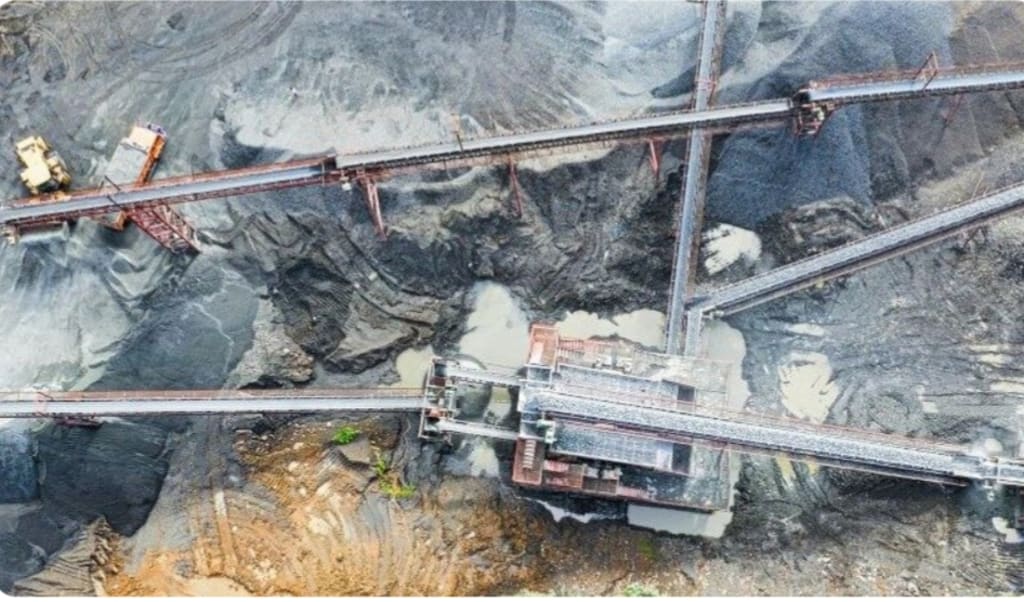
Peru is embarking on a bold expansion of its mining industry with plans to invest nearly $7.6 billion in critical minerals extraction projects this year. The initiative, announced by the Ministry of Energy and Mines, is designed to consolidate growth in one of the nation’s most important economic sectors and ensure Peru’s position as a key supplier of minerals essential to the global energy transition and industrial supply chains.
This strategic investment will go toward the development and execution of eight major mining projects spread across several regions, creating a more diversified and modern mining portfolio. Officials hope this scale of investment will boost production capacity, increase tax revenues, generate employment, and deepen the country’s mining footprint regionally.
Pillars of Peru’s Mining Investment Program
1. Robust Project Pipeline Across Regions
The planned projects include replacements and expansions at established mining sites such as Colquijirca and Huaron in Pasco, San Rafael and Corani in Puno, and development efforts at Zafranal, Cerro Verde Optimization, and Pampa de Pongo in Arequipa. The Huancapeti Expansion project in Ancash is also part of the portfolio.
Authorities emphasize that all eight projects are in advanced feasibility or detailed engineering stages, reducing uncertainty and facilitating clearer execution timelines. This maturity makes investors more confident and supports Peru’s efforts to attract long‑term capital.
2. Driving Regional Development
Mining investment is being geographically diversified to spread economic benefits beyond Lima and key industrial hubs. By involving regions such as Puno, Pasco, and Ancash, the plan seeks to stimulate local economies, improve infrastructure, and strengthen inclusive economic growth.
This regional approach is also intended to support smaller communities through job creation and enhance local supply chains by providing technical and regulatory support to mining operations.
Why This Matters: Critical Minerals and Global Demand
Critical minerals such as copper, zinc, and lead are essential inputs for high‑tech manufacturing, renewable energy systems, and electric vehicles. Peru’s continued investment in these sectors places it among the most strategically important suppliers in the world.
Peru already plays a significant role in global mining: it was the world’s third‑largest copper producer, with output around 2.7 million metric tons in 2024, and attracted nearly $5 billion in mining investments in recent years.
In addition, the country’s mineral exports remain a powerhouse for its overall economy. By mid‑2025, mining exports had increased by more than 16% year‑on‑year, driven by copper, gold, zinc, and lead shipments.
Economic Impact: More Than Just Minerals
Boosting Exports and Global Trade
Peru’s continued commitment to mining investment will likely raise export volume and diversify its trade relationships. With global demand particularly high for metals linked to electrification and decarbonization efforts — especially from Asia and Europe — Peru is positioning itself as an indispensable trading partner.
Copper, Peru’s leading export mineral, accounted for more than 30% of total export value in 2025, underscoring the sector’s importance to national GDP and foreign exchange inflows.
Employment and Economic Growth
Mining projects are labor‑intensive by nature, especially during construction and expansion phases. Peru’s multi‑billion‑dollar investment is expected to create thousands of jobs, both directly within the mines and indirectly in associated sectors such as logistics, services, and manufacturing.
Local communities are also set to benefit from improved infrastructure such as roads, power supply enhancements, and community development programs linked to mining company commitments, offering broader socio‑economic advantages.
Environmental and Social Considerations
While the mining investment brings substantial economic promise, environmental and social impacts remain sensitive issues. Effective regulation, strict environmental safeguards, and community engagement are essential to balance resource extraction with sustainable development.
Peruvian authorities have underscored the importance of responsible and sustainable execution of mining projects to reduce adverse environmental effects and ensure that local livelihoods are enhanced by mining activities rather than harmed.
Challenges and Future Prospects
Despite strong investment momentum, industry observers note challenges ahead. Fluctuations in global metal prices, regulatory hurdles, and social opposition in some regions could affect project timelines and costs. However, with continued focus on modernization and international partnerships, Peru’s mining sector is well positioned for long‑term success.
Analysts believe that this new wave of investment will solidify Peru’s reputation as a strategic supplier of critical minerals and could attract additional foreign capital, especially from countries seeking stable sources of metals for clean tech and energy infrastructure.
Looking Ahead: Strategic Growth in a Changing World
Peru’s planned $7.6 billion investment in critical minerals extraction reflects a broader shift toward resource‑driven economic strategies that serve both national development and global demand. As green energy technologies and electric vehicle production expand, so too will the need for metals like copper, zinc, and lead — making Peru’s mining industry a cornerstone of future supply chains.
With thoughtful policy, sustainable practices, and continued international cooperation, Peru stands poised to amplify its mining legacy and secure a central role in the global transition toward a cleaner and more electrified economy.
About the Creator
Keep reading
More stories from Salaar Jamali and writers in Journal and other communities.
China’s Weak 2026 Start Bolsters Case for Early Policy Easing
Economic Slowdown Marks Start of 2026 China’s economic data for the first month of 2026 points to a weaker-than-expected start, raising concerns among analysts and policymakers alike. Industrial output growth, retail sales, and fixed-asset investment all missed forecasts, signaling that the world’s second-largest economy may be facing headwinds as it emerges from the post-COVID recovery phase.
By Salaar Jamaliabout 24 hours ago in Journal
~ Fired ~
— Ai Intrusion ~ Are you Next ~ Is Ai Evolution after your job? — Few workplaces haven't been affected. Ai is in supermarkets, at doctors' offices, and even monitoring farms. I just can't think of anything this machine is not getting into, can you? For instance: Education ~ Law and Tech jobs will one day have a major influence or be taken over by these inanimate machines, with accuracy and vigor. From mechanics' diagnoses to a wide variety of everyday jobs, including fast food workers, with this input having the ability to cut their unnecessary work hours. I'm certain all of us have been touched by this with our short stories and colorful headings, have you? Even comments are very questionable 'Non-Robot' insertions.
By Jay Kantor2 days ago in Journal
My Dog’s Treatment Cost £1,600 – Vet Bills Are Shocking
For pet owners across the UK, veterinary bills have long been a source of stress—but recent stories, such as one owner’s experience paying £1,600 for their dog’s treatment, have reignited concern about the rising cost of pet care. The owner, who wished to remain anonymous, described the ordeal as “shocking” and highlighted the financial burden that unexpected illnesses or accidents can place on families.
By Aarif Lashari6 days ago in Journal



Comments
There are no comments for this story
Be the first to respond and start the conversation.