
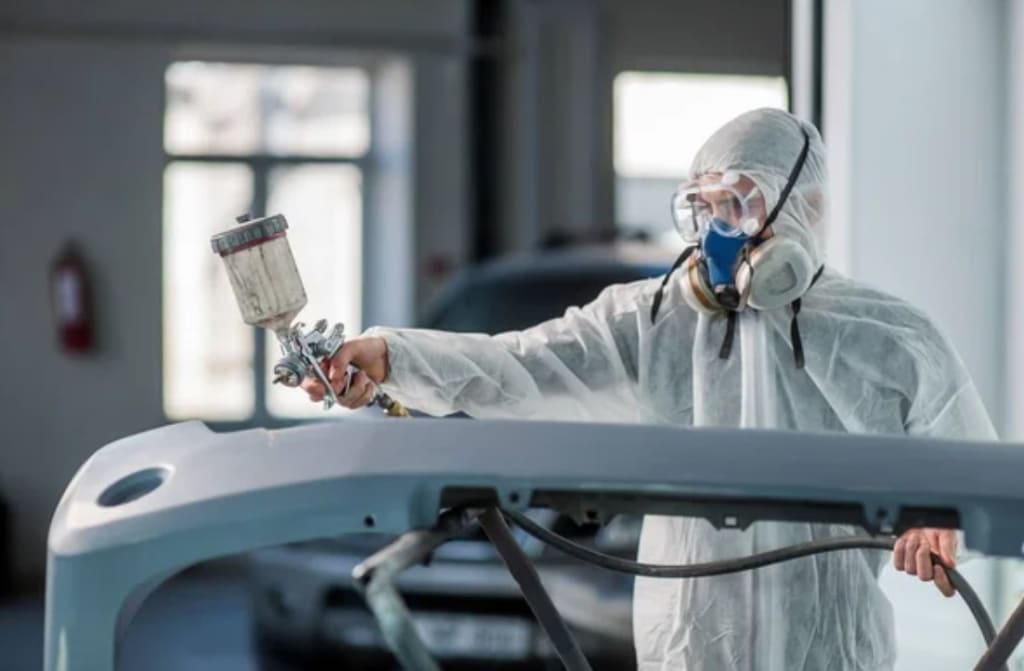
Painting can be a fun and rewarding hobby or a crucial part of many industrial processes. However, it's essential to remember that paints, coatings, and solvents can pose serious health and safety risks, especially in confined spaces like paint booths. Therefore, proper paint booth safety measures are critical to protecting yourself, your employees, and your environment from hazardous materials. In this guide for beginners, we'll explore essential paint booth safety measures you should follow to ensure a safe and productive painting experience.
Understanding the Hazards
Before you begin painting, you must understand the hazards associated with paints and coatings. Paints contain harmful chemicals like solvents, pigments, and binders that can be hazardous to your health. Some of the most common hazards include:
- Inhalation of fumes and vapors
- Skin and eye irritation or burns
- Fire and explosion risks
Understanding the hazards and the potential consequences of exposure can help you take the necessary precautions to protect yourself and others.
Proper Ventilation
Proper ventilation is one of the most important paint booth safety measures you can take. Ventilation systems help remove fumes, vapors, and other hazardous substances from the paint booth, reducing the risk of inhalation and explosion. Make sure your paint booth has a properly functioning ventilation system that meets the recommended air changes per hour (ACH) for your specific application.
Personal Protective Equipment (PPE)
Personal protective equipment (PPE) is essential for paint booth safety. PPE includes items like respirators, gloves, safety glasses, and coveralls that help protect your skin, eyes, and respiratory system from exposure to hazardous chemicals. When working in a paint booth, it's crucial to wear the appropriate PPE to prevent inhalation or skin contact with hazardous materials.
Proper Storage and Handling
Proper storage and handling of paints and coatings can prevent accidents and ensure paint booth safety. Always store paints and coatings in their original containers and keep them in a well-ventilated area away from heat sources and direct sunlight. When handling paints and coatings, be sure to follow the manufacturer's instructions and wear the appropriate PPE.
Fire Safety
Paints and coatings can be flammable and pose a fire hazard, making fire safety critical in paint booth safety. To reduce the risk of fire and explosion, ensure that all electrical equipment in the paint booth is properly grounded and that all flammable materials are kept away from ignition sources. Additionally, make sure there is a fire extinguisher within easy reach of the paint booth and that all employees know how to use it.
Proper Disposal
Proper disposal of hazardous materials is an essential aspect of paint booth safety. Always dispose of paints, coatings, and solvents in accordance with local, state, and federal regulations. Never pour hazardous materials down the drain, as this can harm the environment and potentially result in fines or legal action.
Training
Proper training is crucial for paint booth safety. All employees who work in or near the paint booth should receive thorough training on the hazards associated with paints and coatings, as well as the proper safety measures and procedures to follow. This includes training on how to use PPE, how to handle and store hazardous materials, and how to respond in the event of an emergency.
Regular Maintenance
Regular maintenance of your paint booth can prevent accidents and ensure paint booth safety. Regularly inspect your ventilation system, electrical equipment, and PPE to ensure they are functioning correctly. Additionally, regularly clean your paint booth and dispose of any hazardous waste properly.
In conclusion, paint booth safety is critical for protecting yourself, your employees, and your environment from the hazards associated with paints and coatings. By following the paint booth safety measures outlined above, you can ensure a safe and productive painting experience.
About the Creator
Keep reading
More stories from ermasnyder and writers in Journal and other communities.
The Importance of Emergency Exit Lights For Safety In Lake Park
Introduction: Emergency exit lights are critical components of safety systems in public buildings such as Lake Park. They are essential to guide people to safety in case of an emergency such as a fire, power outage, or other hazards. The lights serve as a source of illumination when the primary source of light fails, allowing people to exit the building safely. This article will discuss the importance of emergency exit lights for safety in Lake Park, including their benefits, types, and installation requirements.
By ermasnyder3 years ago in Journal
What It Felt Like When the Afternoon Crash Never Came
For as long as I can remember, the afternoon crash felt inevitable. Somewhere between early afternoon and the last stretch of the workday, my energy would fade. Not dramatically. Just enough to make everything feel heavier. Focus slipped. Patience thinned. Tasks that felt manageable in the morning suddenly required effort.
By illumipurea day ago in Journal
Affection and Healing for Yourself
During the night of the last quarter moon, I gathered my ritual supplies. I carefully handled the chunk of black tourmaline that would protect me from your overall negative and narcissistic energy. I carefully walked the house with my stick of selenite in hand, asking the universe to cleanse our working space.
By Alisha Wilkins ✒️🦋🖋️2 days ago in Fiction


Comments
There are no comments for this story
Be the first to respond and start the conversation.