
Overland Shackles: Essential Gear for Off-Road Adventures
Off-Road Adventures
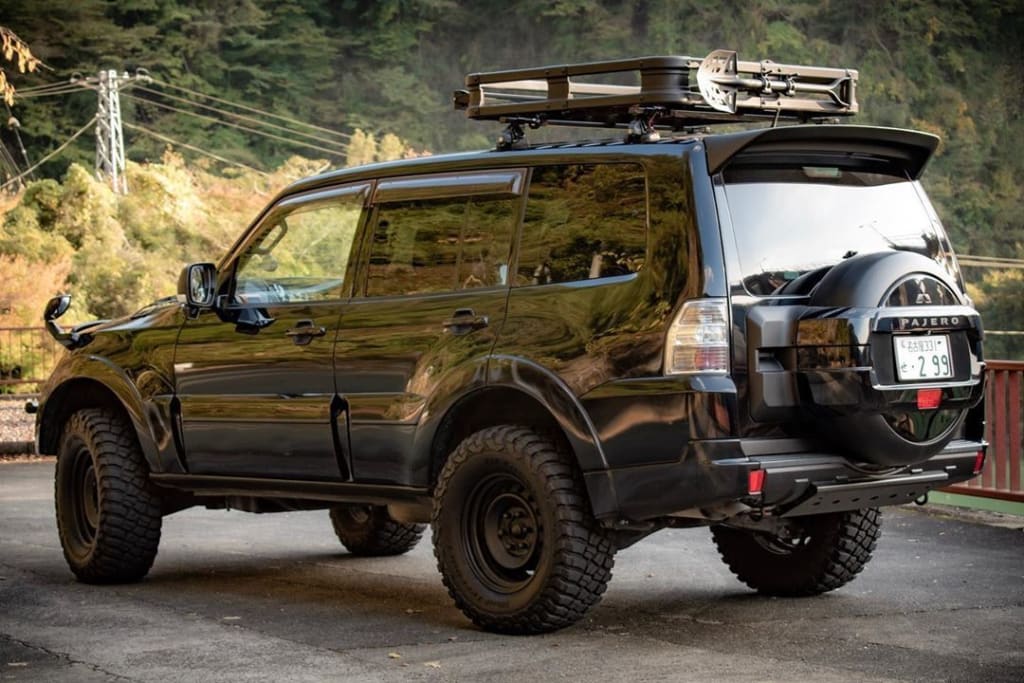
When it comes to off-roading and overlanding, having the right gear is crucial for ensuring a safe and successful adventure. One of the most important yet often overlooked pieces of equipment is the overland shackle. These small but mighty components are essential for vehicle recovery, offering a reliable and strong connection point in various situations. Whether you're stuck in mud, sand, or snow, overland shackles play a vital role in getting you out of tough spots and back on the trail.
In this article, we'll explore what overland shackles are, why they're important, the different types available, and how to choose the right shackles for your overlanding needs.
What Are Overland Shackles?
Overland shackles are U-shaped metal connectors that are used to secure straps, chains, or ropes during vehicle recovery operations. They are designed to handle heavy loads and are typically made from high-strength steel or synthetic materials like soft shackles, which are increasingly popular in the off-roading community. Shackles create a secure attachment point between recovery gear and your vehicle, ensuring that the load is distributed evenly and safely.
The Importance of Overland Shackles
Shackles are a critical component of any recovery kit. When off-roading, you may encounter various challenging terrains, such as deep mud, loose sand, or steep inclines, where your vehicle could get stuck. In these situations, overland shackles allow you to connect recovery straps, winch lines, or snatch blocks to a secure point on your vehicle or a recovery vehicle.
Without proper shackles, attempting a recovery could lead to equipment failure, resulting in damage to your vehicle or, worse, injury. Overland shackles provide the necessary strength and reliability to safely extract your vehicle from difficult conditions, making them an indispensable tool for any off-road enthusiast.
Types of Overland Shackles
There are two main types of overland shackles: D-ring shackles (also known as bow shackles) and soft shackles. Each type has its own set of advantages and is suited to different recovery scenarios.
1. D-Ring Shackles
D-ring shackles are the traditional, U-shaped shackles made from heavy-duty metal, usually forged steel. They are named for their resemblance to the letter "D" and are incredibly strong, with high load capacities that can handle the weight and force involved in vehicle recovery.
Pros of D-Ring Shackles:
Durability: Made from steel, D-ring shackles are extremely durable and can withstand harsh conditions, making them ideal for heavy-duty recoveries.
Strength: These shackles have a high load capacity, often rated for several tons, making them reliable for towing and recovery operations.
Versatility: D-ring shackles are compatible with various recovery gear, including tow straps, winch lines, and snatch blocks.
Cons of D-Ring Shackles:
Weight: Steel shackles are heavy, which can be a disadvantage when trying to reduce the overall weight of your recovery gear.
Rigidity: The rigidity of metal shackles can cause damage to your vehicle or recovery equipment if not used carefully.
2. Soft Shackles
Soft shackles are a modern alternative to traditional D-ring shackles. Made from high-strength synthetic rope, usually Dyneema, soft shackles are lightweight, flexible, and incredibly strong. They are quickly gaining popularity in the overlanding community for their ease of use and safety features.
Pros of Soft Shackles:
Lightweight: Soft shackles are significantly lighter than their steel counterparts, making them easier to carry and handle.
Flexibility: Their flexibility allows for quick and easy attachment to various points on your vehicle without the risk of damaging surfaces.
Safety: Soft shackles are less likely to cause injury if they break under load, as they don’t have the same kinetic energy as a metal shackle.
Corrosion Resistance: Being made of synthetic materials, soft shackles are resistant to rust and corrosion, making them ideal for wet and salty environments.
Cons of Soft Shackles:
Wear and Tear: Soft shackles can wear out faster than steel shackles, especially when used in abrasive environments.
Lower Load Capacity: Although strong, soft shackles generally have a lower load capacity than heavy-duty steel shackles, which may limit their use in extremely demanding recoveries.
Choosing the Right Overland Shackles
When selecting overland shackles for your recovery kit, consider the following factors:
Load Rating: Ensure that the shackles you choose have a sufficient load rating for your vehicle's weight and the type of recovery you anticipate. Overland vehicles are often heavily loaded, so choose shackles with a higher capacity than your vehicle's gross weight.
Material: Decide between steel D-ring shackles and soft shackles based on your specific needs. If you prefer durability and heavy-duty performance, steel may be the best choice. For those prioritizing weight reduction and flexibility, soft shackles are an excellent option.
Usage Frequency: If you frequently engage in off-roading and expect to use your shackles often, investing in high-quality, durable shackles is essential. For occasional use, a more budget-friendly option may suffice.
Storage: Consider how you will store your shackles. Soft shackles are more compact and easier to store in tight spaces, while D-ring shackles require more space due to their size and weight.
Conclusion
Overland shackles are a small but critical component of any off-roading recovery kit. Whether you choose traditional D-ring shackles or modern soft shackles, having the right equipment can make all the difference when you're faced with challenging terrain. By selecting shackles that meet your vehicle's needs and your recovery requirements, you'll be well-prepared for any adventure the trail throws your way.
About the Creator
What It Felt Like When the Afternoon Crash Never Came
For as long as I can remember, the afternoon crash felt inevitable. Somewhere between early afternoon and the last stretch of the workday, my energy would fade. Not dramatically. Just enough to make everything feel heavier. Focus slipped. Patience thinned. Tasks that felt manageable in the morning suddenly required effort.
By illumipure3 days ago in Journal
Thoughts on Vocal and the way the world is
"Death cannot stop true love, only delay it." – Wesley in The Princess Bride. I decided to come back to Vocal on a very cold and dark night at the end of December. I had been, and still am, convalescing from a horrible staph infection that had gone misdiagnosed for months. This, paired with the increasing challenges of being healthy, making the best choices for my co-parented child, being a wife, and being a director at a new job, was a lot to manage.
By Jazzy 5 days ago in Confessions


Comments
There are no comments for this story
Be the first to respond and start the conversation.