
Oldest Civilizations in the World
Sumerian civilization, the Indus Valley civilization, the Egyptian civilization, and the Chinese civilization Short Description


The oldest civilization in the world is a topic of great interest and debate among historians and archaeologists. While there is no definitive answer to this question, several ancient civilizations are generally considered to be among the oldest, including the Sumerian civilization, the Indus Valley civilization, the Egyptian civilization, and the Chinese civilization.
The Sumerian civilization, which emerged in Mesopotamia (modern-day Iraq) around 4000 BCE, is often considered to be the first civilization in the world. The Sumerians were known for their advanced system of writing, which was one of the earliest known systems of writing in the world. The Sumerians also developed a sophisticated system of governance, which included the establishment of city-states with their own rulers and bureaucracies.

One of the most impressive achievements of the Sumerian civilization was their development of irrigation and agriculture. The Sumerians built complex systems of canals and levees to control the flow of water and irrigate their crops, which allowed them to support a growing population and build impressive cities with monumental architecture. The Sumerians also made significant contributions to art, music, and literature, and their civilization had a profound impact on the development of human civilization.
The Indus Valley civilization, which emerged in the Indus River Valley (modern-day Pakistan and northwest India) around 2600 BCE, is another ancient civilization that is often considered to be one of the oldest in the world. The Indus Valley civilization was known for its advanced urban planning, which included the construction of sophisticated sewer systems and the use of standardized bricks and weights. The Indus Valley civilization also had a complex system of trade networks, which allowed them to import and export goods across great distances.

One of the most impressive achievements of the Indus Valley civilization was their use of a system of writing that has yet to be fully deciphered. The Indus Valley script, which was found on seals and other artifacts, is one of the earliest known forms of writing in the world, and it provides important insights into the culture and beliefs of this ancient civilization. The Indus Valley civilization also built impressive cities, such as Mohenjo-Daro and Harappa, which were characterized by their large public buildings, sophisticated water systems, and intricate street grids.

The Egyptian civilization, which emerged along the Nile River around 3150 BCE, is one of the most famous and enduring ancient civilizations in the world. The Egyptians are known for their impressive pyramids, which were built as tombs for their pharaohs, and for their advanced system of writing, which included hieroglyphics, hieratic, and demotic scripts. The Egyptians also made significant contributions to art, architecture, and religion, and their civilization lasted for thousands of years.
One of the most impressive achievements of the Egyptian civilization was their development of a sophisticated system of governance, which included the establishment of a centralized government with a complex bureaucracy. The Egyptians also developed advanced systems of mathematics and astronomy, and their knowledge of these subjects allowed them to build impressive monuments and navigate the waters of the Nile. The Egyptians also made significant contributions to medicine and science, and their legacy continues to inspire us today.
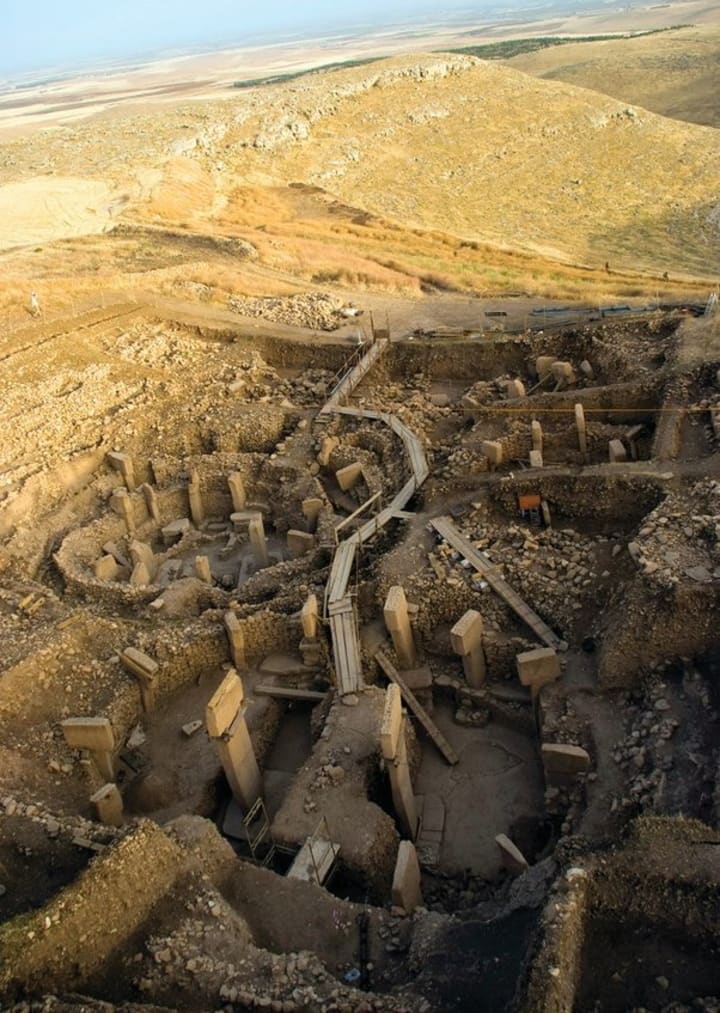
The Chinese civilization, which emerged along the Yellow River around 2100 BCE, is another ancient civilization that is often considered to be one of the oldest in the world. The Chinese are known for their advanced system of writing, which includes over 50,000 characters, and for their development of agriculture and irrigation, which allowed them to support a growing population. The Chinese also made significant contributions to art, philosophy, and technology, and their civilization has had a profound impact on world history.

One of the most impressive achievements of the Chinese civilization was their development of a sophisticated system of governance, which included the establishment of a centralized government with a complex bureaucracy. The Chinese also made significant contributions to science and medicine, and their knowledge of these subjects allowed them to develop advanced technologies such as gunpowder and paper.
While each of these ancient civilizations has its own unique characteristics and achievements, they all share a few key traits that allowed them to thrive and endure for centuries. One of the most important of these traits is their ability to adapt to changing environmental conditions and technological advancements. All of these ancient civilizations developed sophisticated systems of agriculture and irrigation that allowed them to support growing populations, and they also developed advanced technologies such as writing, mathematics, and astronomy that helped them build impressive monuments and navigate the world around them.
Another key trait of these ancient civilizations was their ability to create complex systems of governance and social organization. All of these civilizations established centralized governments with complex bureaucracies that allowed them to maintain order and manage their vast territories. They also developed complex social hierarchies, with rulers, priests, and elites at the top and farmers, artisans, and laborers at the bottom. These social hierarchies helped to ensure social stability and continuity over long periods of time.

Religion was also an important part of these ancient civilizations, with most of them developing complex belief systems and pantheons of gods and goddesses. Religion played an important role in shaping the social and political structures of these civilizations, and it also provided a sense of meaning and purpose for their people.
Despite their impressive achievements, these ancient civilizations all eventually declined and disappeared for various reasons. Some were conquered by foreign invaders, while others collapsed due to internal conflicts, environmental degradation, or economic stagnation. However, the legacy of these civilizations lives on, and their contributions to human civilization continue to be felt today.
In conclusion, the oldest civilization in the world is a topic of great interest and debate among historians and archaeologists. While there is no one definitive answer to this question, several ancient civilizations are generally considered to be among the oldest, including the Sumerian civilization, the Indus Valley civilization, the Egyptian civilization, and the Chinese civilization. These civilizations were known for their impressive achievements in areas such as writing, architecture, governance, agriculture, and religion, and they continue to inspire us today. While these civilizations eventually declined and disappeared, their legacy lives on, and their contributions to human civilization continue to be studied and celebrated.
About the Creator
Sujan Paudel
I love to write. And in a hunt for a platform to express my feelings, I have arrived in Vocal Media. Let's see where this journey takes me from here.
Keep reading
More stories from Sujan Paudel and writers in Journal and other communities.
Will China ever become the only superpower in the world?
The rise of China as a global power has been one of the most significant developments in the 21st century. With the world's largest population, a growing economy, and a powerful military, China has emerged as a serious contender for superpower status. However, the question remains: will China ever become the only superpower of the world? In this essay, we will explore the factors that could contribute to China's rise and the challenges that it will face in achieving global dominance.
By Sujan Paudel3 years ago in Journal




Comments
There are no comments for this story
Be the first to respond and start the conversation.