
NEW YEAR'S DAY
A journey of a thousand miles begins with a single step
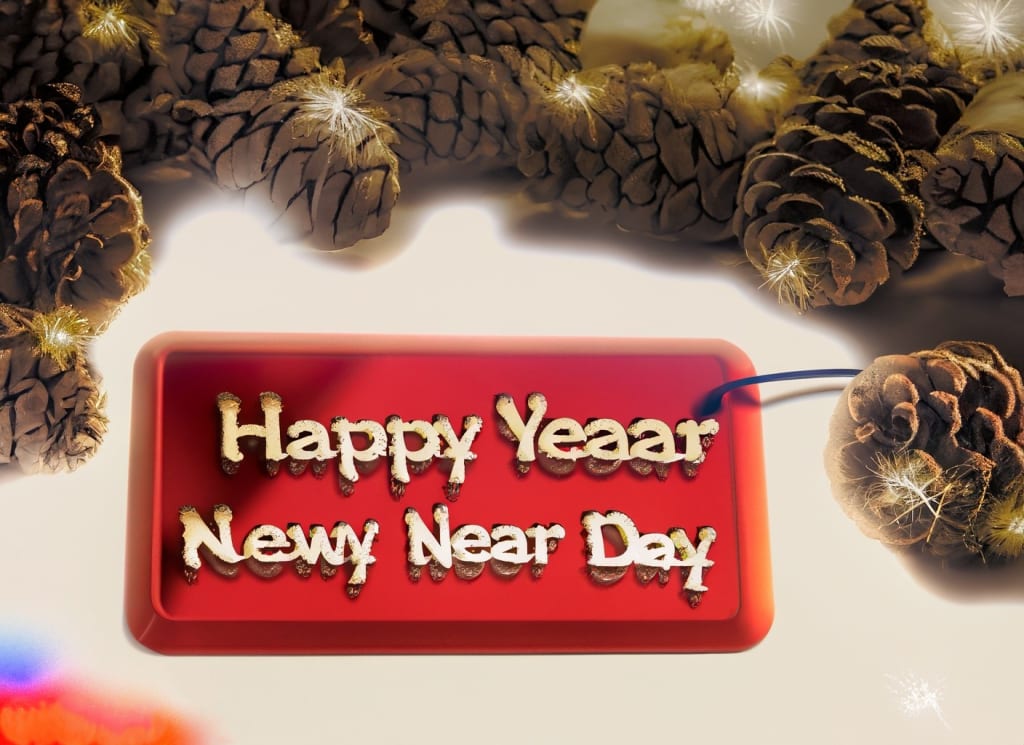
Introduction:
New Year's Day, celebrated on January 1st, marks the beginning of a fresh year according to the Gregorian calendar. It is a time for reflection, resolutions, and celebration worldwide. As the clock strikes midnight, people gather with loved ones, raise their glasses, and toast to new beginnings. New Year's Day symbolizes hope, renewal, and the opportunity to make positive changes in our lives. It is a day filled with joy, optimism, and the promise of a brighter future.
Historical Significance: The celebration of New Year's Day is not only rooted in contemporary customs but also has ancient historical significance. The concept of marking the beginning of a new year can be traced back thousands of years to various civilizations. The ancient Babylonians, for instance, celebrated the New Year around the vernal equinox in late March. They engaged in rituals and made promises to the gods to ensure a prosperous year ahead.
Roman Influence: The Romans, too, played a significant role in shaping the observance of New Year's Day. In 46 B.C., Julius Caesar introduced the Julian calendar, which established January 1st as the official start of the year. The month of January was named after the Roman god Janus, who had two faces—one looking back to the past and the other forward to the future. This symbolism perfectly captured the essence of New Year's Day.
Global Celebrations: New Year's Day is celebrated with enthusiasm and diverse customs worldwide. In many countries, people indulge in various traditions to bid farewell to the previous year and welcome the new one. Fireworks light up the night sky, creating a spectacular visual display that represents letting go of the past and embracing the future. Festive gatherings, parties, and concerts take place, bringing communities together to rejoice in the spirit of the occasion.
Resolutions and Reflection: One of the common practices during this time is the making of New Year's resolutions. It is a time for self-reflection and setting goals for personal and professional development. People resolve to break bad habits, pursue new hobbies, improve relationships, or achieve career aspirations. The proverbial phrase, "New year, new me," encapsulates the desire for positive change and personal growth that accompanies the arrival of the New Year.
Proverb: "A journey of a thousand miles begins with a single step." This proverb reminds us that embarking on any significant endeavor requires taking that initial step, no matter how small. As we embrace the New Year, it serves as a reminder that our goals and aspirations can be achieved through consistent effort and perseverance. Each small step we take contributes to our progress and moves us closer to realizing our dreams.
Cultural Traditions: Different cultures have their unique customs associated with New Year's Day. For instance, in Spain, it is customary to consume twelve grapes—one for each stroke of the clock at midnight—to bring good luck for the twelve months ahead. In Japan, people engage in Hatsumode, the first visit to a shrine or temple to pray for a prosperous year. In Scotland, the celebration of Hogmanay involves a series of festivities that include bonfires, singing, and the famous "First Footing" tradition.
New Year's Resolutions:
While making resolutions is a common practice, it is equally important to approach them with a realistic mindset. Setting attainable goals and outlining a clear plan of action increases the likelihood of success. Additionally, seeking support from friends, family, or professional networks can provide the encouragement and accountability necessary to stay on track.
Conclusion:
New Year's Day holds great significance worldwide as a time of fresh beginnings and limitless possibilities. It is a moment
About the Creator
~ Fired ~
— Ai Intrusion ~ Are you Next ~ Is Ai Evolution after your job? — Few workplaces haven't been affected. Ai is in supermarkets, at doctors' offices, and even monitoring farms. I just can't think of anything this machine is not getting into, can you? For instance: Education ~ Law and Tech jobs will one day have a major influence or be taken over by these inanimate machines, with accuracy and vigor. From mechanics' diagnoses to a wide variety of everyday jobs, including fast food workers, with this input having the ability to cut their unnecessary work hours. I'm certain all of us have been touched by this with our short stories and colorful headings, have you? Even comments are very questionable 'Non-Robot' insertions.
By Jay Kantor2 days ago in Journal
How the Healthcare EDI Market Will Transform Patient Care (2026-2030)
Imagine a world where hospitals, insurance providers, and clinics no longer drown in mountains of paperwork. Instead, information flows seamlessly, instantly, and securely across the healthcare system. This is not a distant dream—it’s the promise of the healthcare electronic data interchange (EDI) market, a technological revolution transforming healthcare operations globally.
By Andrew Hamilton7 days ago in Journal


Comments
There are no comments for this story
Be the first to respond and start the conversation.