
Navagraha Temple in Guwahati: A Blend of Faith, Astronomy, and History
Exploring the Spiritual and Historical Essence of Navagraha Temple

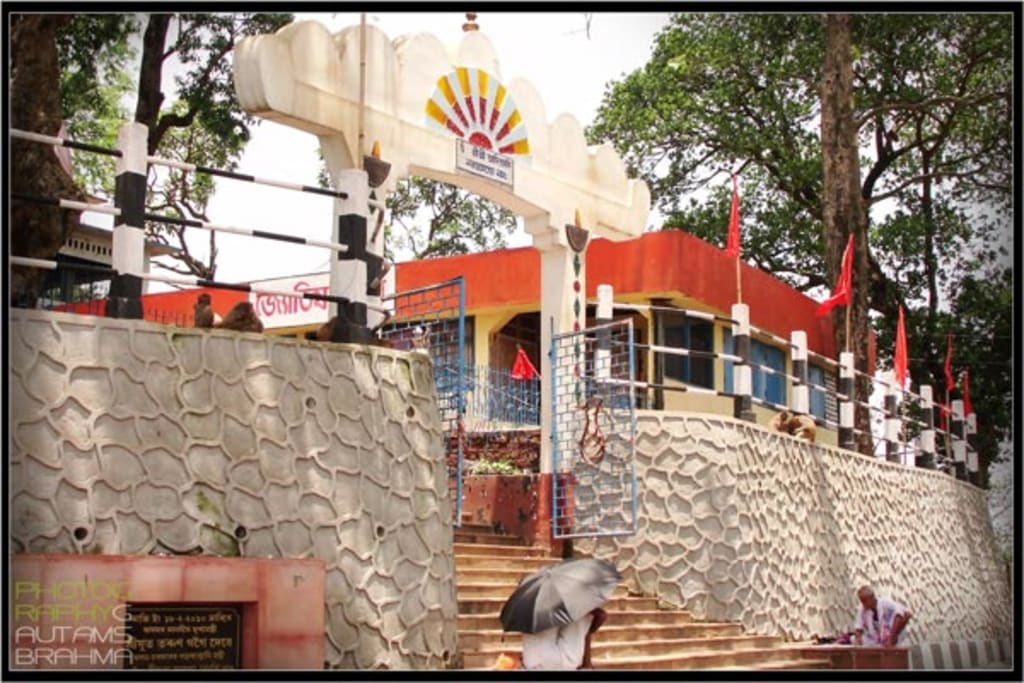
Perched atop Chitrasal Hill in the bustling city of Guwahati, the Navagraha Temple stands as a beacon of spiritual significance and historical wonder. Known as the "Temple of Nine Planets," this ancient shrine holds immense importance in Hindu mythology and astrology. Its serene location, coupled with the breathtaking views of the city, makes it a must-visit for both devotees and travelers.
While Guwahati boasts many notable attractions, such as the Balaji Mandir Guwahati and the Srimanta Sankardev Kalakshetra, the Navagraha Temple offers a unique blend of religion, history, and science, drawing visitors from far and wide.
The Historical and Religious Significance of Navagraha Temple
Dating back to the 18th century, the Navagraha Temple was constructed by Ahom King Rajeswar Singha. It is dedicated to the nine celestial bodies in Hindu astronomy—Surya (Sun), Chandra (Moon), Mangal (Mars), Budh (Mercury), Brihaspati (Jupiter), Shukra (Venus), Shani (Saturn), Rahu, and Ketu. Each planet is represented by a Shiva lingam, with the central lingam symbolizing the Sun.
The temple serves as a reminder of the Ahom dynasty’s contributions to Assam’s cultural and spiritual landscape. It is said that King Rajeswar Singha built the temple to promote the study of astrology and astronomy, which were crucial disciplines in ancient India.
The Navagraha Temple has become a revered site for Hindus who seek blessings to mitigate the malefic effects of planetary alignments in their horoscopes. Devotees often perform rituals and pujas here to pacify planetary influences and attain peace and prosperity.
Architectural Beauty of Navagraha Temple
The Navagraha Temple is an architectural gem that exudes simplicity and elegance. The temple complex is built primarily with red bricks, which give it a striking appearance. The dome-like structure of the temple is reminiscent of the classic Assamese temple architecture.
Inside the sanctum, the nine Shiva lingams are arranged in a circular pattern, each placed on a pedestal. These lingams are adorned with cloths of varying colors, each representing a specific planet. The central Sun lingam is larger and occupies a prominent position. The placement of the lingams is said to reflect the cosmic arrangement of the planets, making the temple not just a religious center but also a representation of ancient astronomical knowledge.
The temple’s hilltop location offers a panoramic view of Guwahati city and the mighty Brahmaputra River. The tranquil ambiance of the temple, surrounded by lush greenery, enhances the spiritual experience for visitors.
Navagraha Temple and Astrology
The Navagraha Temple is deeply intertwined with astrology, as the nine celestial bodies it represents play a crucial role in Hindu astrology. According to Vedic astrology, the positions of these planets at the time of a person’s birth influence their life events and personality.
Devotees visit the temple to perform rituals that can appease these planets and reduce the negative effects of unfavorable planetary alignments. Special pujas, such as the Navagraha Shanti Puja, are conducted here, attracting people from different parts of the country.
Astrologers and scholars also frequent the temple to study its cosmic significance and draw inspiration from the ancient knowledge preserved within its walls.
Nearby Attractions: Exploring Guwahati
While the Navagraha Temple is a highlight in Guwahati, the city is home to several other attractions that offer a glimpse into Assam’s cultural and spiritual heritage.
Balaji Mandir Guwahati
The Balaji Mandir Guwahati, also known as Purva Tirupati Sri Balaji Temple, is a modern temple dedicated to Lord Venkateswara. Located in Betkuchi, this temple is an architectural marvel inspired by South Indian temple designs. With its pristine white exterior and intricately carved walls, the temple exudes serenity and grandeur.
Visitors often combine their trip to the Navagraha Temple with a visit to Balaji Mandir, as both sites offer a peaceful and spiritually enriching experience.
Srimanta Sankardev Kalakshetra
Another must-visit attraction in Guwahati is the Srimanta Sankardev Kalakshetra, a cultural institution that celebrates the art, culture, and heritage of Assam. Named after the great Assamese saint and cultural icon Srimanta Sankardev, this complex houses museums, an open-air theater, an art gallery, and a library.
For those interested in understanding Assam’s rich traditions and history, a visit to the Srimanta Sankardev Kalakshetra is highly recommended.
The Best Time to Visit Navagraha Temple
The Navagraha Temple is open to visitors throughout the year, but the winter months (October to February) are ideal for a visit. During this time, the weather in Guwahati is pleasant, making it comfortable to explore the temple and other attractions in the city.
If you’re planning your visit during a festival or an astrological event, you’ll get to witness special rituals and ceremonies at the temple. Makar Sankranti and Shivaratri are particularly significant occasions celebrated here.
How to Reach Navagraha Temple
The Navagraha Temple is easily accessible from all parts of Guwahati:
By Air: The nearest airport is Lokpriya Gopinath Bordoloi International Airport, located about 24 kilometers away.
By Rail: Guwahati Railway Station is the nearest railhead, approximately 5 kilometers from the temple.
By Road: The temple is well-connected by roads, and you can take a cab or auto-rickshaw to reach Chitrasal Hill.
Tips for Visitors
Plan Early: To avoid crowds, visit the temple early in the morning.
Dress Modestly: As the temple is a place of worship, wearing modest attire is recommended.
Carry Essentials: The temple complex has basic amenities, but carrying water and snacks is advisable, especially if you plan to explore the hill.
Explore the Surroundings: Take some time to enjoy the serene environment and the panoramic views from the hilltop.
Conclusion
The Navagraha Temple in Guwahati is more than just a place of worship—it is a spiritual and historical landmark that embodies the essence of Assam’s rich heritage. Whether you’re a devotee, a history enthusiast, or a traveler seeking peace and inspiration, this temple has something unique to offer.
If you’re keen to dive deeper into the stories, rituals, and historical significance of the Navagraha Temple and explore more such attractions in Guwahati, visit Assam Wonderer. Our detailed blogs will guide you through Assam’s incredible destinations and cultural gems.
About the Creator
Assam Wonderer
At Assam Wonderer, we are passionate about showcasing the beauty and charm of Assam. Our travel blogs dive deep into the state's scenic spots, historical landmarks, and cultural experiences.
Keep reading
More stories from Assam Wonderer and writers in Journal and other communities.
Discover the Enchanting Jatinga Bird Watching Centre and Migratory Birds in Assam
Assam, the gateway to Northeast India, is a land blessed with natural beauty and ecological richness. One of its fascinating features is the influx of migratory birds that grace its wetlands, forests, and skies each year. The state transforms into a paradise for bird enthusiasts during the migratory season, offering unique opportunities to witness the interplay of nature and wildlife. Among the numerous bird-watching destinations in Assam, the Jatinga Bird Watching Centre stands out, providing an extraordinary experience for nature lovers.
By Assam Wondererabout a year ago in Journal
When Motivation Becomes a Turning Point
Why the Right Words Matter in Difficult Seasons Personal challenges often arrive quietly but leave a deep impact. Emotional exhaustion, career uncertainty, or personal loss can disrupt stability and erode confidence over time. In these moments, people are rarely searching for quick fixes. What they need most is reassurance, clarity, and a sense that forward movement is still possible.
By Dr. Stephen Swisher 3 days ago in Journal
Instructions Included Challenge Winners
For the Instructions Included challenge, we asked writers to tell a story through instructions and to trust the form to carry what could not be said outright. Across the top entries, that trust paid off in many different ways.
By Vocal Curation Team4 days ago in Resources



Comments (1)
Great work! Good job! Well written! Fascinating f