
Multiple Media Outlets Clash With Pentagon Over New Press Rules
Journalists Push Back as the Pentagon Introduces Stricter Press Regulations, Raising Questions About Transparency and Freedom of the Press

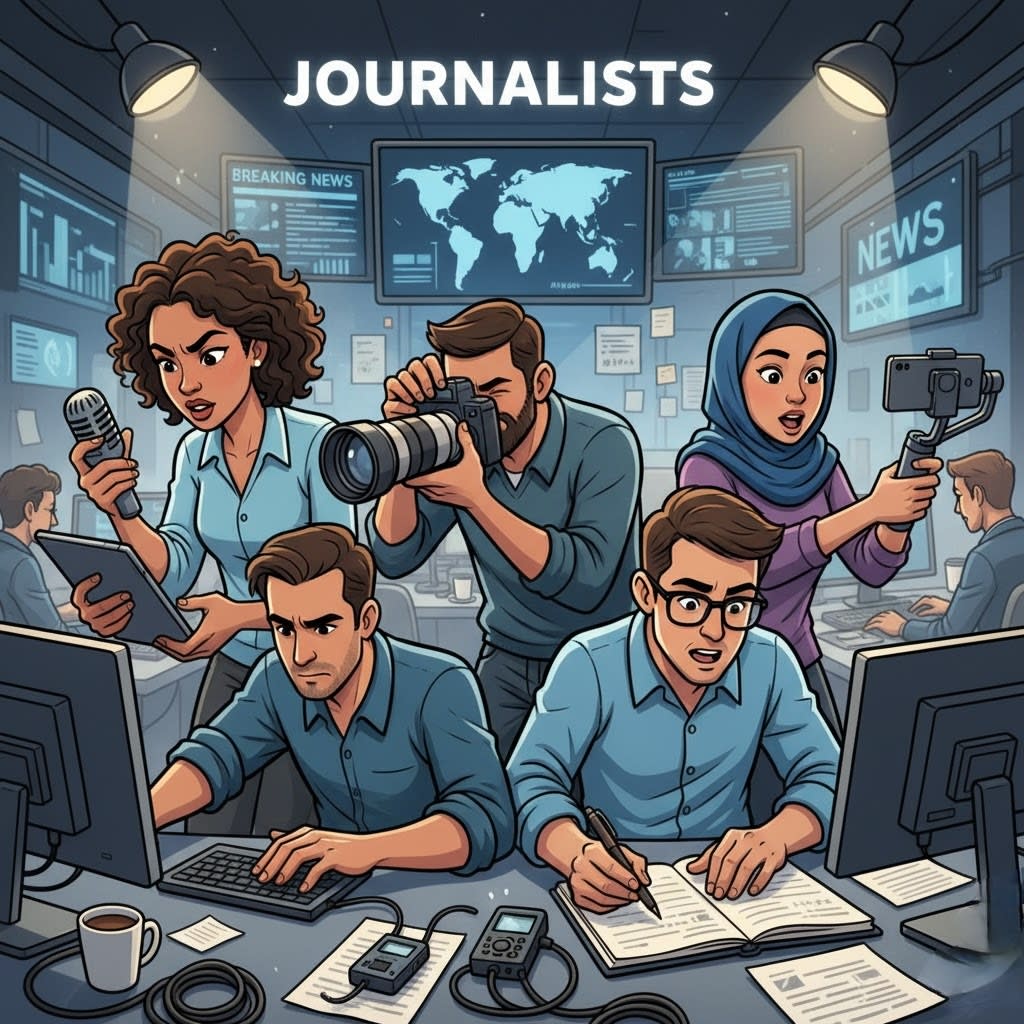
**Introduction: A Battle Between Media and the Military**
In recent weeks, multiple media outlets in the United States have clashed with the Pentagon over **new press rules** that restrict journalists’ access to information. The dispute highlights the ongoing tension between **national security concerns** and the public’s **right to know**. Journalists argue that the rules limit transparency and hinder their ability to report on important matters, while the Pentagon says the regulations are meant to **protect sensitive information** and ensure accurate reporting.
**The New Press Rules Explained**
The Pentagon’s new regulations introduce several key changes:
1. **Stricter credential requirements** for reporters covering military events.
2. **Limits on recording or photographing sensitive operations**.
3. **More detailed guidelines for social media reporting** by journalists embedded with military units.
The Pentagon claims these changes are designed to **maintain operational security** and prevent classified information from leaking. However, media organizations see the rules as overly restrictive and potentially threatening to press freedom.
**Why Media Outlets Are Pushing Back**
Leading news organizations, including major newspapers, TV networks, and online media platforms, have publicly criticized the Pentagon’s rules. Their main concerns include:
* Reduced **access to military officials**, making investigative reporting harder.
* Potential **censorship of important stories** related to defense, war, or national security.
**Ambiguity** in the rules, which could allow arbitrary enforcement.
Journalists argue that the military and the press should **work together**, but that cooperation requires clear rules that do not **compromise transparency**.
**Freedom of the Press vs. National Security**
This clash touches on a deeper debate: the balance between **freedom of the press** and **national security**. While the government must protect sensitive information that could endanger lives or missions, the public relies on journalists to report accurately on **how resources are used**, **military actions**, and **policy decisions**.
Critics warn that overly strict rules could lead to **self-censorship**, where reporters avoid certain topics to comply with unclear guidelines. Supporters of the Pentagon’s measures say that responsible reporting can coexist with security concerns — but finding the right balance is challenging.
**Responses From Lawmakers and Experts**
Several lawmakers have joined the conversation. Some members of Congress have expressed concern that the rules might **infringe on First Amendment rights**. Legal experts also emphasize that while national security is critical, any restrictions on press access must be **carefully justified** and **proportionate**.
Media organizations are considering **legal action or formal complaints** if the Pentagon does not revise the rules. At the same time, press advocacy groups are calling for **transparent dialogue** between journalists and military officials.
**The Impact on Public Knowledge**
If these rules remain in place, the public could see **fewer detailed reports** about military activities. Analysts warn that limiting journalists’ access may reduce **trust in the military and government**, as people rely on independent reporting to hold powerful institutions accountable.
Journalists also fear that without clear guidelines, mistakes or misinterpretations could damage both **public understanding** and the Pentagon’s reputation.
**Looking Ahead: Possible Solutions**
Experts suggest that a compromise is possible. Some proposed solutions include:
**Clearer definitions** of what can and cannot be reported.
**Improved training** for journalists covering sensitive operations.
**Regular review and feedback mechanisms** between the Pentagon and media outlets.
The goal is to ensure **security without silencing the press**, allowing both sides to fulfill their responsibilities.
**Conclusion: A Critical Moment for Press and Military Relations**
The clash between media outlets and the Pentagon over new press rules is more than just a procedural dispute — it represents a **larger debate about transparency, trust, and accountability** in America. As journalists push for clearer, fairer access and the Pentagon defends national security, the resolution of this conflict will have lasting implications for **press freedom** and **public knowledge**.
In the end, both sides must find a path that **respects the safety of military operations** while ensuring that the **public continues to receive reliable, independent reporting** — a delicate balance that is vital for democracy.
****Media Reports****
About the Creator
Keep reading
More stories from Kashif Wazir and writers in Journal and other communities.
Gaza and Israel in 2025: Ceasefire, Aid Cuts, and Lives in Limbo
# 1. A Fragile Pause in Conflict After years of intense violence, Israel and Hamas entered into a tentative ceasefire in October 2025. Under the deal, both sides agreed on **hostage exchanges, prisoner releases, and partial troop withdrawals**. ([The Guardian][1])
By Kashif Wazir5 months ago in Journal
Author’s Advice
If you would’ve asked me 20 years ago did I know I’d become a writer and an author, I would’ve said “nope, ain’t happening”. As fate would have it I did become an author and I can honestly say I’m loving it so far. It really does feel good to be a writer. I’ve learned a lot on this journey and I feel like with even me being as new to this world as I am, there’s some wisdom I need to share with every other aspiring author.
By Joe Patterson4 days ago in Journal




Comments
There are no comments for this story
Be the first to respond and start the conversation.