
Gaza and Israel in 2025: Ceasefire, Aid Cuts, and Lives in Limbo
How a fragile peace deal, stalled hostage returns, and limited aid are redefining life in Gaza and testing hopes for lasting calm

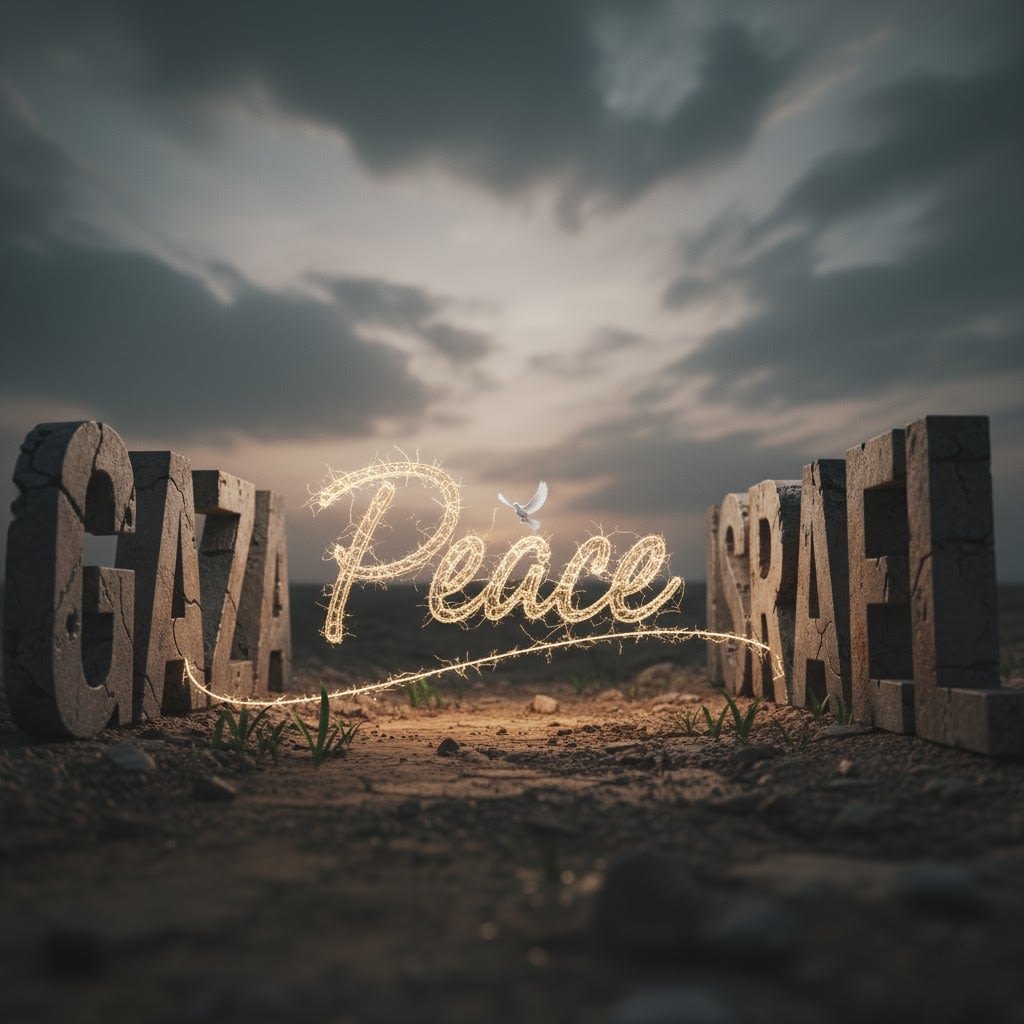
# 1. A Fragile Pause in Conflict
After years of intense violence, Israel and Hamas entered into a tentative ceasefire in October 2025. Under the deal, both sides agreed on **hostage exchanges, prisoner releases, and partial troop withdrawals**. ([The Guardian][1])
But peace isn’t yet solid — many parts of the agreement remain unfinished. Critical issues, like the disarmament of Hamas and who will govern Gaza moving forward, are still unresolved. ([AP News][2])
# 2. The Hostage Returns and Human Cost
One of the most emotional parts of the deal has been the return of bodies of hostages. Hospitals and forensic labs in Israel are identifying some of the remains. ([AP News][3])
However, not all returned bodies are from captives. Reports say one of the bodies handed over was from a Palestinian, not a hostage. ([timesofisrael.com][4])
Still, families in Israel welcomed the return of loved ones’ remains, though many more bodies are said to remain unrecovered. ([AP News][5])
# 3. Aid Slashed, Border Crossings Closed
Israel has cut the number of aid trucks entering Gaza from previously agreed levels — now allowing only **300 trucks per day**, half the earlier pace. ([Reuters][6])
Moreover, Israel has restricted fuel and gas imports (except for essential infrastructure use). ([Reuters][6])
One major crossing — **Rafah**, which links Gaza to Egypt — remains closed. Israel claims Hamas is delaying the return of hostages’ remains, which is why it’s withholding full access. ([The Guardian][7])
Humanitarian groups warn that limited aid combined with these restrictions risk turning the fragile ceasefire into a **humanitarian disaster**. ([cbsnews.com][8])
# 4. Violence Resurfaces Inside Gaza
Even as the ceasefire holds in name, violence continues in Gaza itself. A **clan feud** erupted between Hamas and the Doghmush clan, leading to armed confrontations, arrests, and reported executions. ([Wikipedia][9])
Meanwhile, Israel says it has opened fire on suspected militants in Gaza, resulting in several deaths. ([Reuters][10])
So far, the fighting demonstrates that internal tensions can flare even when external attacks pause.
# 5. What Happened Before This Moment
To understand this moment, one must look back at 2025’s major escalations:
In **March 2025**, Israel launched a surprise aerial offensive on Gaza, ending a brief truce. Over 400 Palestinians were reportedly killed during that assault. ([Wikipedia][11])
In **May 2025**, Israeli airstrikes hit **Wehda Street**, a busy restaurant and market area in Gaza City. At least 33 people were killed and about 90 wounded. ([Wikipedia][12])
The **European Hospital** in Khan Yunis was severely struck during a bombardment. ([Wikipedia][13])
Gaza’s infrastructure took a pounding: studies show **over 190,000 buildings** damaged or destroyed by mid-2025. ([arXiv][14])
These events left Gaza deeply scarred — physically, emotionally, and socially.
# 6. A People Caught in Between
Amid cycles of fighting and uneasy peace, civilians pay the highest price. Homes, hospitals, schools — all damaged or destroyed. Access to clean water, food, electricity, and healthcare remains precarious. ([Al Jazeera][15])
Many displaced people have no place to return to. Tensions, trauma, and grief run deep in communities.
# 7. What Comes Next & Why It Matters
**Aid vs. Politics:** Will Israel restore full aid access if Hamas hands over all remains? Or will border crossings stay closed as leverage?
**Ceasefire Stability:** Can this truce survive delays and disputes?
**Gaza Governance:** Who leads Gaza now? Will Hamas hold power? Will the Palestinian Authority or international actors play a role?
**Reconstruction & Trust:** Rebuilding requires money, security, and cooperation — all in short supply.
The 2025 Gaza-Israel conflict has taken on a new phase: it’s not just about bombs and retaliation anymore. It’s now about **diplomacy, humanitarian aid, and the fragile lines that separate peace from further war**.
Though a ceasefire offers hope, the path ahead is uncertain. The people of Gaza continue to live in limbo — torn between relief, distrust, and the fear that violence may return.
****International Media Reports****
About the Creator
Keep reading
More stories from Kashif Wazir and writers in Journal and other communities.
Barron Trump Is Richer Than His Mom
In recent months, media outlets have claimed that **Barron Trump**, now 19 years old, has amassed more personal wealth than his mother, **Melania Trump**. With reports estimating Barron's net worth at **$150 million**, the comparison with Melania’s estimated worth—ranging from **$50 million to $70 million**—has sparked widespread curiosity. Is it really true that the youngest Trump out-earns his mother? Let’s explore what’s known, what’s rumored, and what such a comparison really reveals.
By Kashif Wazir5 months ago in Journal
Author’s Advice
If you would’ve asked me 20 years ago did I know I’d become a writer and an author, I would’ve said “nope, ain’t happening”. As fate would have it I did become an author and I can honestly say I’m loving it so far. It really does feel good to be a writer. I’ve learned a lot on this journey and I feel like with even me being as new to this world as I am, there’s some wisdom I need to share with every other aspiring author.
By Joe Patterson5 days ago in Journal




Comments
There are no comments for this story
Be the first to respond and start the conversation.