
Meta Is Removing Spammy Content: What It Means for Users and Creators
A Step Toward Cleaner, Safer, and More Authentic Social Media
# Meta Is Removing Spammy Content
## A Step Toward Cleaner, Safer, and More Authentic Social Media
Meta, the parent company of Facebook, Instagram, and Threads, has announced a renewed commitment to removing **spammy and low-quality content** from its platforms. This move comes in response to growing concerns about the overwhelming presence of clickbait, deceptive promotions, and low-value posts that clutter user feeds and undermine the overall user experience.
Let’s take a closer look at what Meta is doing, why it matters, and how it affects users, businesses, and content creators.
---
## Why Is Meta Targeting Spammy Content?
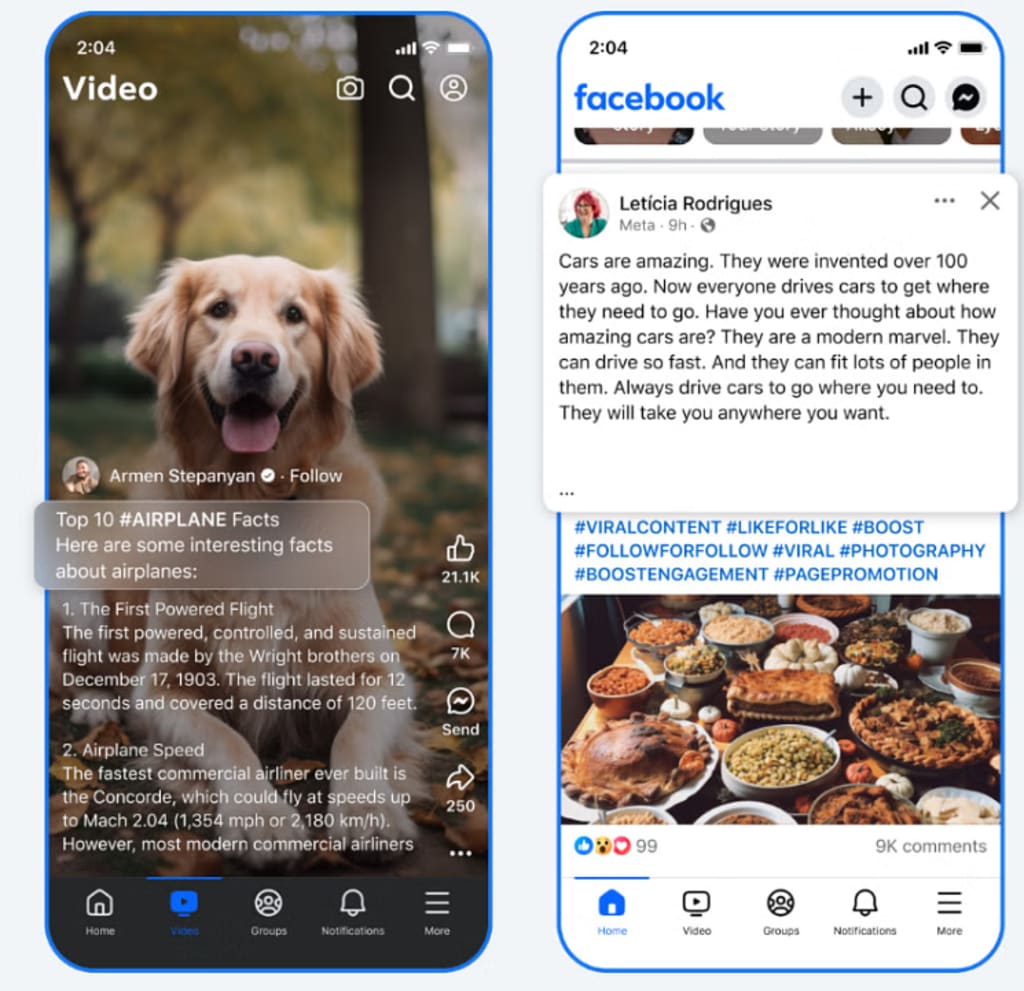
The rise of social media over the past decade brought not only opportunities for connection and creativity, but also an explosion of **manipulative and irrelevant content**. From engagement bait (“Like this post if you agree!”) to click-through scams and recycled memes, spammy content has steadily increased.
Meta’s recent moves are aimed at reducing this kind of material, which often exists solely to exploit platform algorithms. Rather than inform, inspire, or entertain, spammy posts are designed to **manipulate user behavior** and drive artificial engagement—without offering genuine value.
Meta’s goal is simple: to make users' feeds more useful, engaging, and trustworthy.
---
## What Counts as Spammy Content?
According to Meta, spammy content includes several specific types of behavior:
- **Clickbait headlines**: Posts that exaggerate or mislead users into clicking links.
- **Engagement baiting**: Tactics that ask users to react, comment, or share just to boost visibility.
- **Repetitive content**: Overuse of the same posts or links across multiple pages or accounts.
- **Low-quality automation**: Auto-generated content with little human oversight or originality.
- **Fake promotions and scams**: Misleading giveaways, product claims, or ad-heavy redirects.
Spammy behavior isn’t always illegal or against the rules, but it often falls into what Meta calls **“borderline content”**—material that doesn’t quite violate community standards but doesn’t enhance the platform experience either.
---
## What Actions Is Meta Taking?
Meta’s crackdown involves a range of tools and policies designed to prevent the spread of spam:
### 1. **AI and Machine Learning Tools**
Meta is using advanced algorithms to automatically detect patterns of spammy behavior. These tools identify suspicious posts based on content structure, engagement behavior, and known tactics used by spammers.
### 2. **Demoting Low-Quality Content**
Even if a post isn’t removed, it may be **demoted**—meaning it will appear less frequently (or not at all) in user feeds, making it less likely to gain traction.
### 3. **Stricter Penalties for Violators**
Accounts that repeatedly post spam or misleading content may be **suspended**, **demonetized**, or **removed** entirely. Businesses using black-hat marketing strategies are especially at risk.
### 4. **Community Reporting and Transparency**
Meta continues to rely on user reports to identify content that might escape algorithmic detection. In some cases, flagged content may now carry labels that warn users about its reliability or origin.
---
## How This Affects Creators and Businesses
If you’re a content creator, social media manager, or brand advertiser, this update is crucial. Meta is signaling a clear shift away from **virality for virality’s sake**, and toward content that builds trust and genuine community.
What works now:
- **Original content** with a clear voice and perspective
- **Valuable posts** that educate, entertain, or solve a problem
- **Authentic engagement**, not manufactured reactions
What doesn’t work:
- Reposting trending content just to ride the wave
- Stuffing posts with hashtags or CTAs for engagement
- Using deceptive tactics to trick users into clicking or buying
---
## A Healthier Social Media Ecosystem
Ultimately, Meta’s efforts to remove spammy content are part of a larger movement to **clean up digital platforms**. By prioritizing high-quality, meaningful interactions, Meta hopes to create an environment where users can trust what they see and engage more deeply.
For creators and users alike, the message is clear: **Real beats fake. Value beats volume. Quality beats clicks.**
About the Creator
Keep reading
More stories from Jotirmoy Sharma and writers in Journal and other communities.
The history about Cox's Bazar "The largest sea beach in the world"
Cox’s Bazar, a coastal town located in southeastern Bangladesh, is famous today for its unbroken 120-kilometer sandy sea beach—often claimed as the longest natural sea beach in the world. But beyond its scenic beauty and tourist appeal, Cox’s Bazar has a rich and layered history shaped by centuries of colonial influence, trade, and cultural exchange.
By Jotirmoy Sharma9 months ago in History
Artificial intelligence data centers are resorting to aircraft and diesel turbines due to power shortages
The rapid expansion of artificial intelligence is pushing data centers to a breaking point: a lack of sufficient electricity to sustain their growth. Far from being a problem of chips, memory, or investment, the main bottleneck for large-scale AI projects today is access to massive amounts of electricity, immediately available.
By Omar Rastelli3 days ago in Journal
A Letter to the Firestarter
Dear Firestarter, We can all see you, we've been watching you since you began. In case you didn't know we were here before you and we will be here after. We witnessed your rise, your setbacks, your guilt and your lies. We witnessed you start the fire.
By Donny Foleya day ago in Poets



Comments
There are no comments for this story
Be the first to respond and start the conversation.