

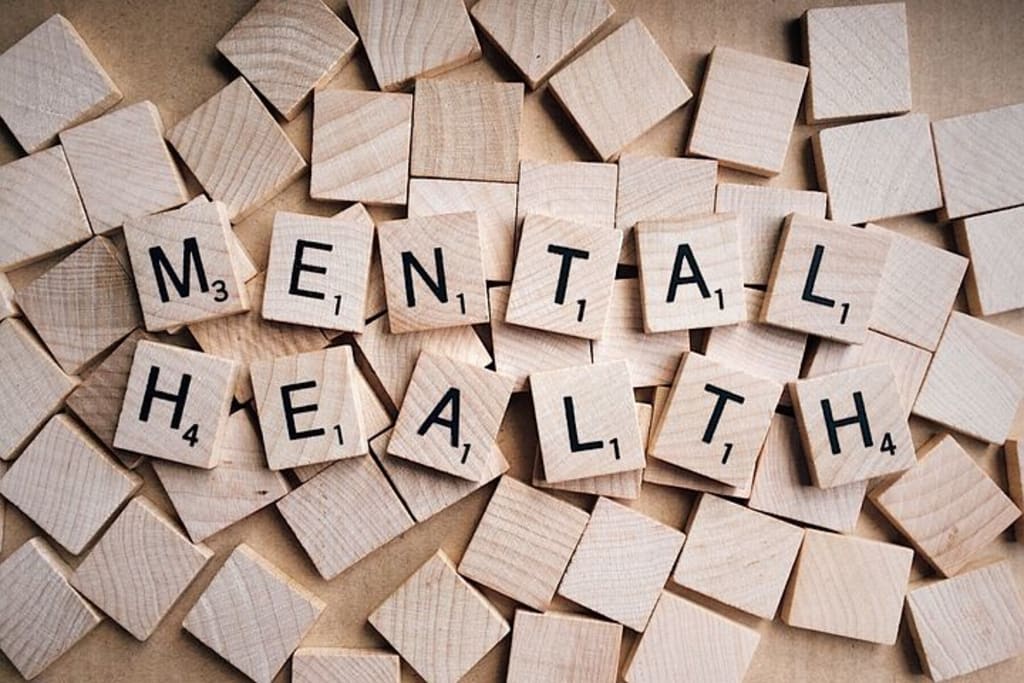
What is Mental Health?
Mental health refers to a person's overall psychological and emotional well-being. It encompasses a broad range of factors that contribute to how a person thinks, feels, and behaves. Mental health can be influenced by biological, social, and environmental factors, and can affect a person's ability to function in their daily life.
Good mental health is characterized by a sense of well-being, positive self-esteem, healthy relationships, and the ability to cope with stress and challenges. On the other hand, poor mental health can lead to various mental health disorders such as depression, anxiety, bipolar disorder, schizophrenia, and others.
Mental health is an essential aspect of overall health and should be given the same importance as physical health. It is crucial to prioritize mental health by seeking help from mental health professionals, maintaining healthy relationships, practicing self-care, and adopting healthy habits.
Why Mental Health Is Important:
Mental health is important because it affects every aspect of our lives. Our mental health determines how we think, feel, and behave, and impacts our ability to cope with stress, build healthy relationships, and achieve our goals.
Poor mental health can lead to a range of problems, including anxiety, depression, substance abuse, and other mental illnesses. These issues can have a profound impact on a person's ability to function and can negatively affect their relationships, work, and overall quality of life.
On the other hand, good mental health can help us cope with life's challenges, maintain positive relationships, and achieve our goals. It can also help us feel more connected to others and lead to a greater sense of happiness and fulfillment.
Overall, mental health is crucial for our overall wellbeing and should be treated with the same importance as physical health. It's important to prioritize taking care of our mental health through activities such as exercise, mindfulness, therapy, and self-care.
Factors Affecting Mental Health:
There are many factors that can affect mental health, including:
Genetics: Some mental health disorders have a genetic component, meaning they can be passed down through families.
Environment: Environmental factors, such as living in poverty, exposure to violence or trauma, and social isolation, can increase the risk of developing mental health problems.
Life events: Major life events, such as the death of a loved one, divorce, or losing a job, can cause stress and trigger mental health issues.
Physical health: Chronic physical health conditions, such as diabetes or heart disease, can also impact mental health.
Substance abuse: Substance abuse and addiction can lead to mental health problems or make existing conditions worse.
Social support: Having a strong support system of family and friends can help prevent and manage mental health problems.
Stigma and discrimination: Social stigma and discrimination can prevent people from seeking help or treatment, which can worsen their mental health.
It is important to remember that mental health is complex and multifaceted, and there are often multiple factors that contribute to the development of mental health problems. Seeking professional help is an important step in managing mental health issues.
Mental Health Disorders:
Mental health disorders refer to a range of conditions that affect an individual's emotional, psychological, and social well-being. These disorders can vary in their severity and impact, and can affect anyone regardless of their age, gender, or background. Some common mental health disorders include:
Anxiety Disorders: These disorders involve excessive fear or worry about everyday situations, and can include conditions such as generalized anxiety disorder, panic disorder, and phobias.
Mood Disorders: These disorders involve disruptions in a person's mood, such as depression, bipolar disorder, and seasonal affective disorder.
Personality Disorders: These disorders involve long-term patterns of behavior and thought that are different from what is considered normal or healthy, and can include conditions such as borderline personality disorder and narcissistic personality disorder.
Eating Disorders: These disorders involve disturbances in eating behavior, such as anorexia nervosa, bulimia nervosa, and binge-eating disorder.
Psychotic Disorders: These disorders involve disruptions in a person's ability to perceive reality, and can include conditions such as schizophrenia.
Substance Use Disorders: These disorders involve the misuse or dependence on drugs or alcohol, and can include conditions such as alcoholism and drug addiction.
It's important to note that mental health disorders are treatable, and seeking professional help can make a significant difference in managing symptoms and improving overall well-being.
Improving Mental health:
Improving mental health is a process that requires effort and commitment, but there are several effective ways to do so. Here are some suggestions:
Exercise regularly: Exercise has been shown to be an effective way to improve mental health. Regular physical activity can help to reduce symptoms of depression and anxiety, improve mood, and increase self-esteem.
Practice mindfulness: Mindfulness is a technique that involves focusing on the present moment and being aware of your thoughts and feelings without judgment. It has been shown to be effective in reducing stress and improving overall well-being.
Get enough sleep: Getting enough sleep is crucial for good mental health. Aim to get 7-9 hours of sleep each night.
Eat a healthy diet: A healthy diet that includes plenty of fruits, vegetables, whole grains, and lean protein can help to improve mental health.
Seek support: If you are struggling with mental health issues, it is important to seek support from a mental health professional, such as a therapist or counselor. They can help you develop coping strategies and provide you with tools to manage your symptoms.
Practice self-care: Self-care involves taking care of your physical and emotional needs. This can include things like taking a relaxing bath, reading a book, or practicing yoga.
Engage in activities that bring you joy: Doing things that you enjoy can help to improve your mood and overall well-being. This can be anything from painting to playing sports to spending time with loved ones.
Remember that improving mental health is a process and it may take time to see results. Don't be afraid to reach out for help if you need it.
About the Creator
Urwa tul eman
Relax and Write
Reader insights
Outstanding
Excellent work. Looking forward to reading more!
Top insight
Easy to read and follow
Well-structured & engaging content
Keep reading
More stories from writers in Journal and other communities.
Expert Tips for Enhancing Cloud Computing Security
As businesses increasingly migrate their operations to the cloud, securing cloud environments has become a critical priority. Cloud computing offers unmatched flexibility, scalability, and cost efficiency, but it also introduces unique security challenges that can compromise sensitive data, disrupt operations, and damage reputations. Implementing robust cloud computing security measures is essential for organizations of all sizes. This article explores expert insights and actionable cloud computing security tips to help protect your business in the cloud era.
By Scott Andery7 days ago in Journal
🅼🅸🅳🅽🅸🅶🅷🆃 🆂🅽🅰🅲🅺🆂
"It's 10 in Tuscon! We all know what that means... It's Time for Midnight Snacks with your man, Gerald Gee! Ready to spend the night together? Me too! I'm full of snacks and can't wait to regurgitate them all back into your hungry ears. Crack a brew! Pop some corn! Anything to get ready for one hell of a show where the talk maybe cheap but the words cut deep...
By Lamar Wiggins7 days ago in Fiction




Comments (1)
Firstly, I appreciate the writer's efforts to address the topic of mental health and its significance in our lives. The article provides a good overview of the importance of mental health and the various ways in which we can take care of it. One aspect of the article that stood out to me was the emphasis on the importance of seeking professional help if needed. The writer does an excellent job of explaining the benefits of seeking help from a mental health professional and provides several helpful resources for those who may be struggling.