
Mental Health 2.0: TikTok Therapy, Burnout Culture, and the Rise of Wellness Apps
Exploring how digital platforms are transforming mental health awareness, support, and the challenges that come with it in the modern world

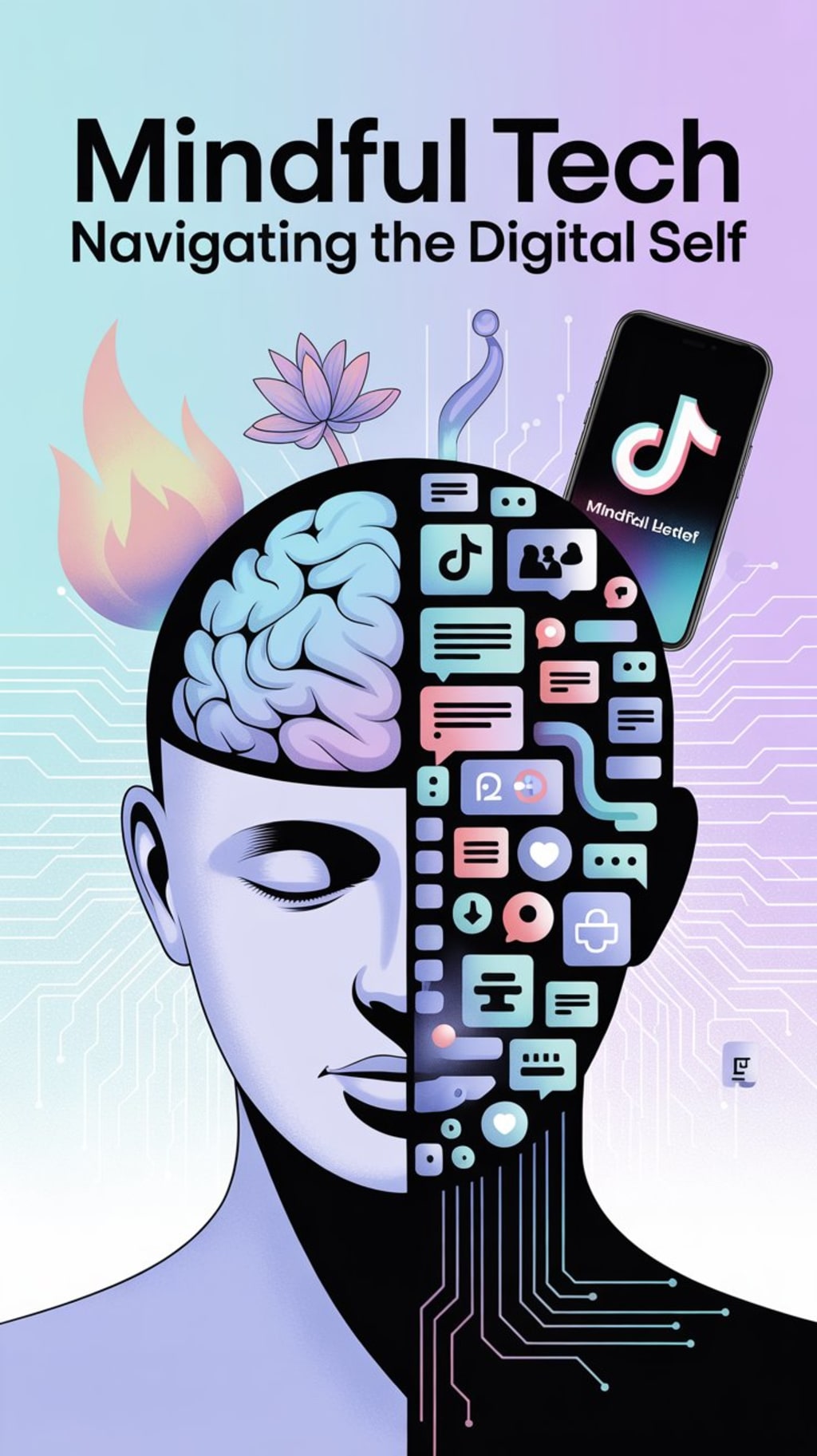
Mental Health in the Digital Age: TikTok Therapy, Burnout Culture, and the Rise of Mental Health Apps
In the 21st century, mental health has emerged from the shadows to become a major topic of public discourse. As conversations about depression, anxiety, and self-care become more common, a parallel transformation is occurring: the digitization of mental health support. Social media platforms like TikTok, increasing workplace stress leading to burnout, and the surge in mental health apps are reshaping how people perceive, understand, and manage their mental well-being.
TikTok Therapy: A Double-Edged Sword
TikTok, known primarily for its short-form videos and viral trends, has surprisingly become a hub for mental health discussions. Hashtags like #MentalHealthAwareness, #TherapyTalk, and #AnxietyRelief have garnered billions of views. Therapists, psychologists, and even individuals with lived experience share bite-sized advice, coping mechanisms, and motivational content. For many, these videos are comforting, helping users feel less alone and more understood.
However, there are concerns. TikTok therapy is not a substitute for professional care. Oversimplified advice, inaccurate diagnoses, or generalized coping strategies can mislead viewers. Moreover, many content creators are not licensed professionals, yet their influence rivals that of qualified therapists. This raises ethical and safety concerns, especially for vulnerable youth. While TikTok can raise awareness and reduce stigma, it must be approached with critical thinking and an understanding that mental health is complex and personal.
Burnout Culture: The Cost of Constant Hustle
The digital age brought promises of flexibility, efficiency, and balance. Yet, for many workers and students, it has done the opposite. With smartphones and remote work, the boundary between personal life and work has blurred. "Hustle culture" — the glorification of overworking and productivity — dominates social media narratives. Phrases like “no days off” and “rise and grind” are normalized, pushing people to ignore exhaustion in the name of success.
This relentless pressure leads to burnout: emotional exhaustion, depersonalization, and reduced sense of accomplishment. Burnout is now officially recognized by the World Health Organization (WHO) as an occupational phenomenon. The digital environment feeds into it — endless emails, Zoom fatigue, social comparison on Instagram, and the fear of missing out (FOMO) all contribute to chronic stress and mental fatigue.
Addressing burnout requires systemic changes: healthier workplace cultures, boundaries on after-hours communication, and a shift in societal values that prioritize rest and well-being over non-stop productivity. On an individual level, it calls for mindfulness, self-care, and, in many cases, professional support.
The Rise of Mental Health Apps
In response to growing mental health needs and strained healthcare systems, mental health apps have exploded in popularity. Apps like Headspace, Calm, BetterHelp, and Moodpath offer services ranging from meditation and sleep aids to therapy sessions with licensed professionals. These platforms make support more accessible, particularly for those who may not afford traditional therapy or live in areas with limited services.
The appeal is obvious: 24/7 availability, privacy, affordability, and user-friendly interfaces. Mental health apps have become digital companions, helping users track moods, practice gratitude, learn cognitive behavioral therapy (CBT) techniques, or even chat with therapists in real time.
However, these tools are not without limitations. Questions about data privacy, the quality of therapeutic interventions, and long-term efficacy remain. Not all apps are created equal, and without regulation, there is a risk of exploitation or ineffective care. Users must be discerning and ideally consult mental health professionals before relying entirely on digital tools.
A Balanced Approach to Digital Mental Health
The digital age offers unprecedented opportunities for mental health awareness and support. Social media can destigmatize mental illness, promote open dialogue, and connect users to resources. Apps can offer therapeutic tools to those who would otherwise go without. But caution and balance are essential.
Users must critically assess the quality and source of online advice. Employers and institutions need to recognize and mitigate burnout, promoting healthier environments. App developers and policymakers should prioritize ethical standards and user safety.
Ultimately, technology is a tool — it can support mental health when used wisely, or exacerbate issues if mismanaged. As we continue to navigate this digital landscape, combining innovation with responsibility will be key to fostering a mentally healthier society.
About the Creator
Syed Umar
"Author | Creative Writer
I craft heartfelt stories and thought-provoking articles from emotional romance and real-life reflections to fiction that lingers in the soul. Writing isn’t just my passion it’s how I connect, heal, and inspire.
The goals I did not achieve
Every writing goal I made for the year is a wash. It has been this way for a while, but I think it's important to be open about my failures and the reality of how life can get in the way. This is especially true considering the several times I have posted on Vocal about my writing goals, how I was changing my approach, and where I was hoping to be for the upcoming year. I will probably do that again in a couple months, but for now, it is time to acknowledge where I am today.
By Kay Husnick24 days ago in Journal
Diary of Anony Elle
If you are reading this the battle has begun. I have packed a small suitcase, a small duffle bag, and a bookbag to begin my travels from Chicago to the Orlando area. I am looking for my babies and I will go to the highest mountain and the DEPTHS OF HELL to find them!
By Anony Elle7 days ago in Journal
The Devil's Cut
“Comrade, finally you’re awake.” The voice was smooth, sensual. A flickering incandescent bar was all that lit the white, sterile room. All Vladimir remembered was everything going black. He tried to move his arms and found them strapped to the gurney.
By Matthew J. Fromm6 days ago in Fiction



Comments
There are no comments for this story
Be the first to respond and start the conversation.