
Mediators Propose Deal to Get Hamas Fighters Out of Rafah
Diplomatic efforts aim to de-escalate tensions as international mediators seek a peaceful resolution in Rafah.

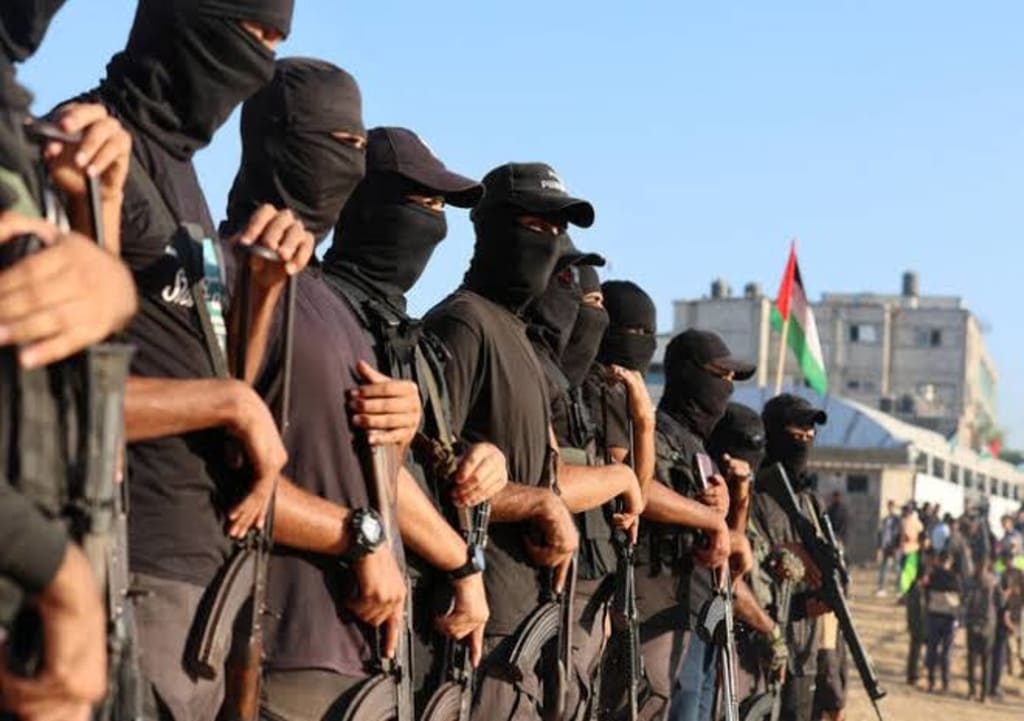
---
A New Proposal Amid Escalating Tensions
International mediators have proposed a deal to extract Hamas fighters from Rafah, a city in southern Gaza, in an effort to reduce violence and prevent further civilian casualties. The plan, which involves negotiations between Hamas, Egyptian officials, and representatives from the United Nations, aims to create a corridor for fighters to leave the city safely, while minimizing the risk of retaliatory strikes.
Rafah has long been a flashpoint in the Israel-Gaza conflict. Located on the border with Egypt, it has strategic importance and has witnessed repeated clashes over the years. Civilians in Rafah have borne the brunt of military operations, facing displacement, infrastructure damage, and shortages of food, water, and medical supplies.
> “The goal is to reduce harm to civilians while achieving a controlled withdrawal of fighters,” said an Egyptian diplomat involved in the talks. “This is about de-escalation, not just relocation.”
---
Details of the Proposed Deal
According to sources familiar with the discussions, the proposed arrangement includes several key elements:
1. Safe Passage for Fighters – Hamas militants would leave Rafah under controlled supervision, avoiding direct confrontation with Israeli forces.
2. Temporary Ceasefire – Both sides would agree to a temporary pause in military actions during the withdrawal.
3. Humanitarian Aid Delivery – International agencies, including the Red Cross and UNRWA, would provide emergency supplies to civilians during and after the relocation.
4. Monitoring and Verification – Third-party observers would ensure that the withdrawal occurs as planned and that no additional violence occurs in the process.
While the plan has been outlined, mediators stress that its success depends on cooperation from all parties, particularly Hamas, which has historically resisted external interference.
---
The Humanitarian Dimension
The situation in Rafah is dire. Hospitals are overcrowded, electricity is scarce, and many families have been forced to live in makeshift shelters. Evacuating fighters could allow humanitarian organizations to reach civilians more effectively and prevent further casualties.
Dr. Lina Haddad, a humanitarian coordinator in Gaza, emphasized the urgency:
> “Every day that fighting continues, more lives are at risk. If this plan works, it could open the door for aid to reach families who have been trapped without basic necessities.”
Civilians, meanwhile, have expressed a mix of hope and skepticism. Many fear that any ceasefire could be temporary or that fighters leaving the city might provoke retaliation elsewhere. Still, residents largely support efforts that prioritize safety over continued conflict.
---
Political and Strategic Considerations
The proposal reflects broader regional diplomatic efforts, particularly by Egypt, which has often acted as a mediator in Gaza. Cairo has historically facilitated truce agreements and prisoner exchanges, seeking to stabilize the border and prevent spillover of conflict into Egyptian territory.
Israel, on the other hand, has stressed the importance of ensuring that any withdrawal does not allow Hamas to regroup or smuggle weapons into other areas. Maintaining a balance between de-escalation and security is central to the negotiations.
> “It’s a delicate dance,” said Dr. Omar Khalidi, a Middle East policy analyst. “Mediators must protect civilians while ensuring that security concerns on both sides are addressed.”
---
Regional and International Implications
The plan could have wider implications for the Israel-Gaza conflict. Successful implementation may:
Reduce immediate civilian casualties in Rafah.
Set a precedent for negotiated withdrawals in other conflict zones.
Strengthen the role of international mediators in conflict resolution.
Encourage further humanitarian interventions in Gaza.
However, failure could escalate tensions and undermine trust between parties, making future negotiations even more difficult.
> “The stakes are high,” said Khalidi. “If the deal falls apart, it could trigger a new wave of violence with severe consequences for civilians and the region.”
---
Lessons from Past Negotiations
Past attempts to mediate withdrawals or ceasefires in Gaza have faced numerous challenges:
Lack of enforcement mechanisms.
Distrust between Hamas and Israel.
Political divisions among Palestinian factions.
External pressure from regional powers with differing agendas.
Mediators are keenly aware of these challenges and are reportedly developing contingency plans to prevent breakdowns and ensure the safety of civilians and fighters alike.
---
Moving Forward
As talks continue, all eyes are on Rafah. The city’s residents hope for a peaceful resolution, while regional and international observers watch closely to see if diplomacy can prevent further bloodshed.
Experts agree that while the proposal is not a permanent solution, it represents a critical step toward de-escalation and demonstrates that dialogue, even in highly volatile areas, can produce viable options for safety and stability.
> “No plan is perfect, but a controlled withdrawal is better than continued fighting,” said Dr. Haddad. “Every life saved is a success.”
---
Conclusion
The proposed deal to get Hamas fighters out of Rafah highlights both the challenges and possibilities of conflict resolution in Gaza. With careful planning, cooperation from all parties, and strong international oversight, the plan could reduce violence, protect civilians, and open pathways for humanitarian aid.
Still, the path to lasting peace remains complex and fragile, requiring continued diplomacy, trust-building, and commitment from local, regional, and international actors. Rafah, a city long caught in the crossfire, now stands at a critical juncture—one where diplomacy could determine whether the cycle of violence continues or a temporary pause brings hope for the future.
About the Creator
Fiaz Ahmed
I am Fiaz Ahmed. I am a passionate writer. I love covering trending topics and breaking news. With a sharp eye for what’s happening around the world, and crafts timely and engaging stories that keep readers informed and updated.
Keep reading
More stories from Fiaz Ahmed and writers in Journal and other communities.
Why Gaza Peace Plan May Prove Tough Nut to Crack
--- A Fragile Path to Peace The ongoing conflict in Gaza has prompted international efforts to negotiate a lasting peace plan, but experts warn that achieving meaningful progress may be extremely difficult. Despite numerous proposals over the years, the region remains volatile, with cycles of violence and political deadlock complicating diplomacy.
By Fiaz Ahmed 2 months ago in Journal
The goals I did not achieve
Every writing goal I made for the year is a wash. It has been this way for a while, but I think it's important to be open about my failures and the reality of how life can get in the way. This is especially true considering the several times I have posted on Vocal about my writing goals, how I was changing my approach, and where I was hoping to be for the upcoming year. I will probably do that again in a couple months, but for now, it is time to acknowledge where I am today.
By Kay Husnick24 days ago in Journal
The Future of Work in the Age of AI
AI changed the workforce faster than any other technology. Artificial intelligence has become such a big part of our daily lives that most of us don’t even realize it. But what happens when AI comes into your work? Companies are investing in AI right now because it’s cheap to operate and runs nonstop.
By Mark Arthura day ago in Journal




Comments
There are no comments for this story
Be the first to respond and start the conversation.