
Meat Subscription Market: Top Trends in Consumer Preferences
Exploring the Shift in Consumer Demand and Emerging Trends in the Meat Subscription Industry
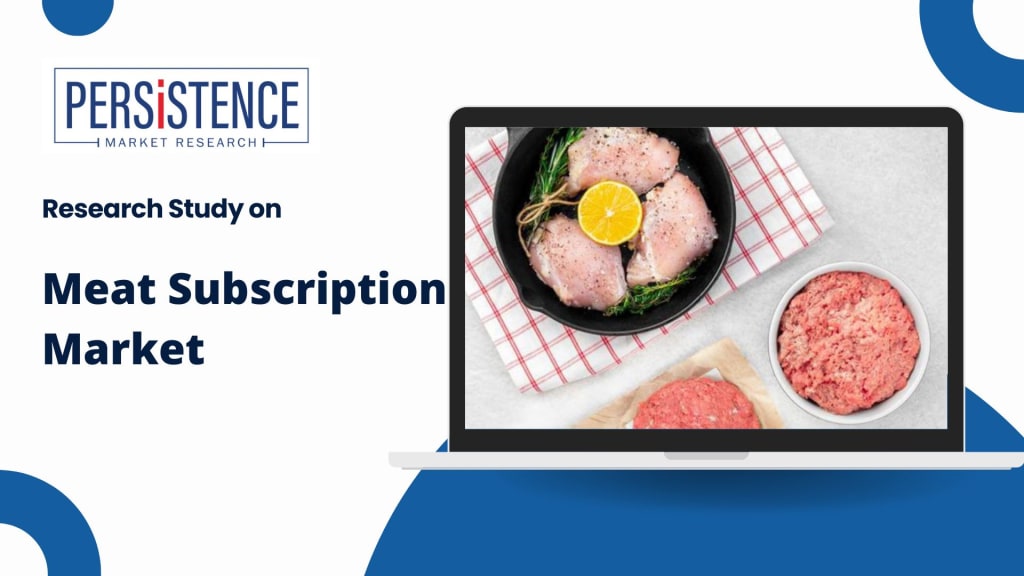
As the global food landscape continues to evolve, the demand for convenience, variety, and high-quality ingredients has given rise to the meat subscription market. These subscription services allow consumers to receive curated, premium meat selections delivered straight to their doorsteps on a regular basis. The popularity of meat subscription services has surged in recent years, driven by changing consumer lifestyles, health consciousness, and the convenience of online shopping. The meat subscription market is estimated to increase from US$1.73 Bn in 2024 to US$4.78 Bn by 2031. The market is projected to record a CAGR of 15.6% during the forecast period from 2024 to 2031
Here, we explore the top trends in consumer preferences that are shaping this growing market.
1. Preference for High-Quality, Premium Meats
Consumers today are increasingly prioritizing the quality of the meat they consume, often opting for grass-fed, organic, or free-range options. Many meat subscription services now offer premium, sustainable meat cuts, catering to consumers seeking ethically sourced products. This trend is particularly strong among health-conscious buyers who perceive higher-quality meats as healthier and more nutritious. As a result, subscription services are emphasizing transparency regarding the sourcing and processing of their products to build trust and attract quality-driven customers.
2. Demand for Variety and Unique Cuts
Beyond traditional beef and chicken cuts, consumers are showing a growing interest in specialty meats like bison, lamb, venison, and even exotic options such as ostrich or wild boar. Meat subscription services cater to this preference by offering curated selections that rotate regularly, giving customers the chance to explore new flavors and cuts. This trend toward variety is also fueled by the desire for more adventurous culinary experiences at home, a shift that became prominent during the pandemic when more people began cooking at home.
3. Health and Wellness Conscious Selections
A major driver in consumer choices for meat subscriptions is health consciousness. Consumers are increasingly aware of the health benefits associated with lean, high-protein meats. Many meat subscription services now offer options tailored to specific dietary needs, including keto, paleo, and high-protein diets. This trend has led to the inclusion of nutrient-dense cuts, leaner options, and minimally processed meats to appeal to the health-oriented segment of the market.
4. Sustainable and Ethical Sourcing
With sustainability becoming a top priority for many shoppers, consumers are actively seeking brands that align with their environmental and ethical values. Many meat subscription services are now focusing on sourcing from farms that practice regenerative agriculture, use humane practices, and minimize their carbon footprint. Eco-friendly packaging, reduced plastic use, and recyclable materials have also become important aspects of these subscriptions. This trend reflects the broader consumer movement toward sustainable food choices, where people prefer brands that take social responsibility seriously.
5. Personalization and Customization
Today’s consumers are accustomed to products and services tailored to their individual needs, and meat subscriptions are no exception. Many companies are now offering customizable subscription plans, allowing customers to select specific cuts, portion sizes, and delivery frequencies. This level of personalization enhances the customer experience, as it gives individuals control over their meat selections based on family size, budget, and dietary preferences. This trend has shown to improve customer loyalty and satisfaction, as subscribers feel that the service is uniquely tailored to them.
6. Convenience and Consistency
The convenience of home delivery is a primary selling point for meat subscription services. With busy schedules and limited time for grocery shopping, many consumers value the ability to receive high-quality meats without leaving their homes. Regular delivery schedules provide a steady supply of meat, reducing the need for last-minute shopping. Additionally, consistent quality and flavor in each shipment build customer loyalty, as subscribers know they can rely on their chosen service for high-quality, flavorful cuts.
7. Emphasis on Local and Regional Sourcing
Local and regional sourcing has gained traction as consumers look to support nearby farmers and reduce the environmental impact associated with long-distance food transport. Meat subscription services that work with local suppliers or feature regionally sourced products are seeing an increase in demand. This trend aligns with the broader "farm-to-table" movement, as consumers increasingly prioritize fresh, locally sourced foods that support their communities.
8. Focus on Transparency and Education
Consumers today want to know more about where their food comes from, and meat is no exception. Subscription services that offer information about the farms, practices, and processes behind their products appeal to this consumer desire for transparency. This focus on education can include content on the health benefits of different cuts, preparation tips, and information on ethical sourcing practices. Some companies even provide newsletters, blogs, or recipes to enrich the customer experience and help subscribers make informed choices.
9. Integration of Technology for Seamless Experience
Technology plays a critical role in modern subscription services, and meat subscriptions are no different. Many services now offer user-friendly apps and websites where customers can manage their subscriptions, track deliveries, and even customize their orders. Additionally, some companies use artificial intelligence to analyze consumer preferences and suggest curated selections, enhancing personalization and ensuring a smoother user experience.
10. Rise of Plant-Based and Hybrid Options
As the popularity of plant-based diets grows, some meat subscription services are exploring hybrid options that combine traditional meat cuts with plant-based proteins. These options are designed to appeal to flexitarians who want to reduce their meat consumption without giving it up entirely. By offering plant-based or hybrid selections, meat subscription services can expand their reach to health-conscious and environmentally aware consumers who are open to alternative protein sources.
Conclusion
The meat subscription market is evolving rapidly, driven by shifting consumer preferences and an increased focus on quality, convenience, and ethical sourcing. Subscription services that adapt to these trends by offering customizable, high-quality, and sustainably sourced products are poised to thrive. As consumers continue to seek out convenient, personalized, and eco-friendly food options, the meat subscription market will likely see sustained growth and continued innovation in response to these evolving demands.



Comments
There are no comments for this story
Be the first to respond and start the conversation.