
Material Handling Carts: Reducing Time and Costs in Warehouse Logistics
Maximizing Efficiency and Minimizing Expenses with the Right Tools

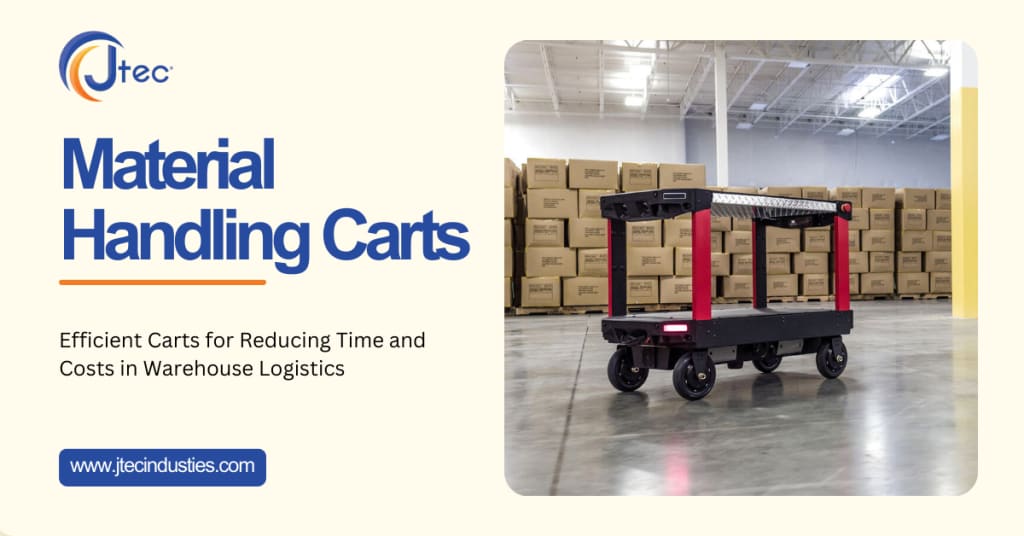
Warehouse and logistics operations require constant attention to efficiency. Whether it is moving goods quickly, managing inventory, or ensuring workers stay productive, finding ways to optimize these processes is key to cutting costs. One tool that stands out in improving efficiency and reducing expenses in warehouses is the material handling cart. These carts play a crucial role in simplifying the movement of materials, offering a significant advantage in reducing time and costs. Let’s explore how these carts help improve warehouse operations.
What are Material Handling Carts?
Material handling carts are versatile tools designed to transport goods and materials in various industries, such as warehouses, factories, and distribution centers. They come in many forms, including platform trucks, shelf carts, flatbed carts, and roll containers, depending on the needs of the operation. These carts move large, small, heavy, or awkwardly shaped items, making transportation easier and more efficient.
The Role of Material Handling Carts in Time Management
Time is critical in warehouse operations, especially when fulfilling orders, stocking inventory, or moving materials around. Before using these carts, warehouse workers often had to rely on manual methods to move products, which was time-consuming and inefficient. By using these carts, many of these time-consuming tasks can be completed more quickly, improving overall workflow and productivity.
- Faster Movement of Goods: Instead of having workers carry materials individually, these carts can transport multiple items at once. It allows workers to reduce the number of trips they need to make between storage areas, speeding up the overall movement process. It is especially important for handling large quantities of goods or bulk materials.
- Better Organization: Material handling carts help keep products organized during transport. Many carts are designed with multiple levels or compartments to hold different items, which can minimize the need for reorganizing items once they reach their destination. With items neatly arranged on a cart, workers can move products from one place to another without searching for the correct item each time.
- More Productive Workers: When workers are not burdened by the physical strain of carrying heavy objects, they can focus on their tasks more effectively. These carts help to reduce the amount of time spent resting or recovering from physical fatigue, allowing workers to remain active for longer periods. As a result, warehouse productivity increases.
- Improved Fulfillment Speed: Meeting deadlines and fulfilling orders quickly is vital in warehouse management. These carts help workers meet these demands by enabling them to transport multiple items at once. With products organized on carts, workers can gather and deliver goods faster, which is particularly useful during peak demand periods when fast order processing is necessary.
Cost Savings Through Material Handling Carts
Aside from saving time, these carts also contribute to reducing costs in various ways. While there’s an initial investment in purchasing these carts, the savings they offer in terms of labor, maintenance, and space usage make them a cost-effective choice in the long run.
- Lower Labor Costs: One of the most significant benefits of material handling carts is the reduction in labor costs. When workers can carry more goods at once, it reduces the number of workers needed to complete a task. It is particularly beneficial in large-scale warehouses or during peak periods when staffing needs may fluctuate.
- Reducing Workplace Injuries: Manual lifting and carrying can cause injuries such as back strain, muscle sprains, and other physical ailments. These injuries not only harm employees but also result in medical expenses and increased insurance premiums for the company. These carts minimize the need for heavy lifting, which lowers the chances of injury. Fewer injuries mean reduced medical costs and less downtime for injured workers.
- Lower Maintenance Expenses: Industrial carts are durable and able to withstand heavy use. Most of them require little maintenance and last for many years. Their durable construction reduces the need for frequent repairs or replacements, making them a more cost-effective solution in the long term. Furthermore, these carts often come with high-quality wheels that prevent unnecessary wear on warehouse floors, saving on floor maintenance costs.
- Better Space Utilization: Industrial carts can also help maximize the use of warehouse space. Instead of using floor space for items that need to be manually carried, these carts allow goods to be transported in an organized manner, freeing up room for additional products. With more efficient use of space, warehouses can hold more inventory or increase their storage capacity without requiring a larger physical area.
- Reduced Shipping Costs: Efficiency in material handling does not just help in the warehouse; it also impacts shipping and transportation costs. With these carts, the time it takes to load and unload items onto transport vehicles is minimized. This speed reduces labor costs associated with loading, and it ensures that shipments can be dispatched more quickly, cutting down transportation delays and saving on shipping costs.
Types of Material Handling Carts for Different Warehouse Needs
Material handling carts are available in various designs, each suited for specific tasks or types of materials. Some common types of carts used in warehouses include:
- Platform Carts: These are ideal for large, heavy materials that need to be moved around. With a flat surface, they can carry bulky items or heavy loads efficiently.
- Shelf Carts: These carts are useful for smaller items or goods that need to be stacked. With multiple shelves or trays, they allow for better organization and easy access to products.
- Tool Carts: These are for carrying tools, parts, or small equipment. They often come with compartments or drawers to keep items secure and organized.
- Trolley Carts: Trolley carts are great for carrying goods across longer distances. They usually have larger wheels for easy maneuverability and are capable of handling a variety of materials.
Conclusion
Material handling carts are an indispensable tool in warehouse logistics, offering both time-saving and cost-cutting benefits. By enabling workers to transport goods more quickly and efficiently, these carts help to reduce labor costs, minimize the risk of injuries, and optimize space. Their durable design and practical features make them a valuable investment for any warehouse looking to improve its operational efficiency. Whether streamlining the movement of goods, improving inventory organization, or reducing the cost of labor and injuries, these carts continue to play a vital role in modern warehouse operations.
About the Creator
Jtec Industries
J-TEC Industries is a manufacturing company specializing in material handling equipment solutions.
Keep reading
More stories from Jtec Industries and writers in Journal and other communities.
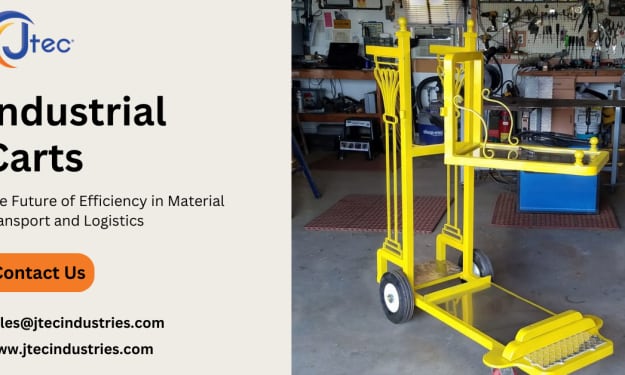
2025 Industrial Carts Trends: The Future of Efficiency and Mobility
In industries ranging from manufacturing to warehousing and logistics, industrial carts are vital tools for ensuring smooth operations. As 2025 approaches, the role of these carts continues to evolve. Over the years, we’ve seen continuous improvements in their design and function, and with new technological advancements, carts are set to become even more efficient and mobile. This blog explores the top trends for industrial carts in 2025 and what to expect for the future of material handling.
By Jtec Industries11 months ago in Journal
What It Felt Like When the Afternoon Crash Never Came
For as long as I can remember, the afternoon crash felt inevitable. Somewhere between early afternoon and the last stretch of the workday, my energy would fade. Not dramatically. Just enough to make everything feel heavier. Focus slipped. Patience thinned. Tasks that felt manageable in the morning suddenly required effort.
By illumipure3 days ago in Journal
Thoughts on Vocal and the way the world is
"Death cannot stop true love, only delay it." – Wesley in The Princess Bride. I decided to come back to Vocal on a very cold and dark night at the end of December. I had been, and still am, convalescing from a horrible staph infection that had gone misdiagnosed for months. This, paired with the increasing challenges of being healthy, making the best choices for my co-parented child, being a wife, and being a director at a new job, was a lot to manage.
By Jazzy 5 days ago in Confessions


Comments
There are no comments for this story
Be the first to respond and start the conversation.