
Mastering Meal Planning: Your Ultimate Guide to Building a Healthy Diet
Building a Healthy Diet
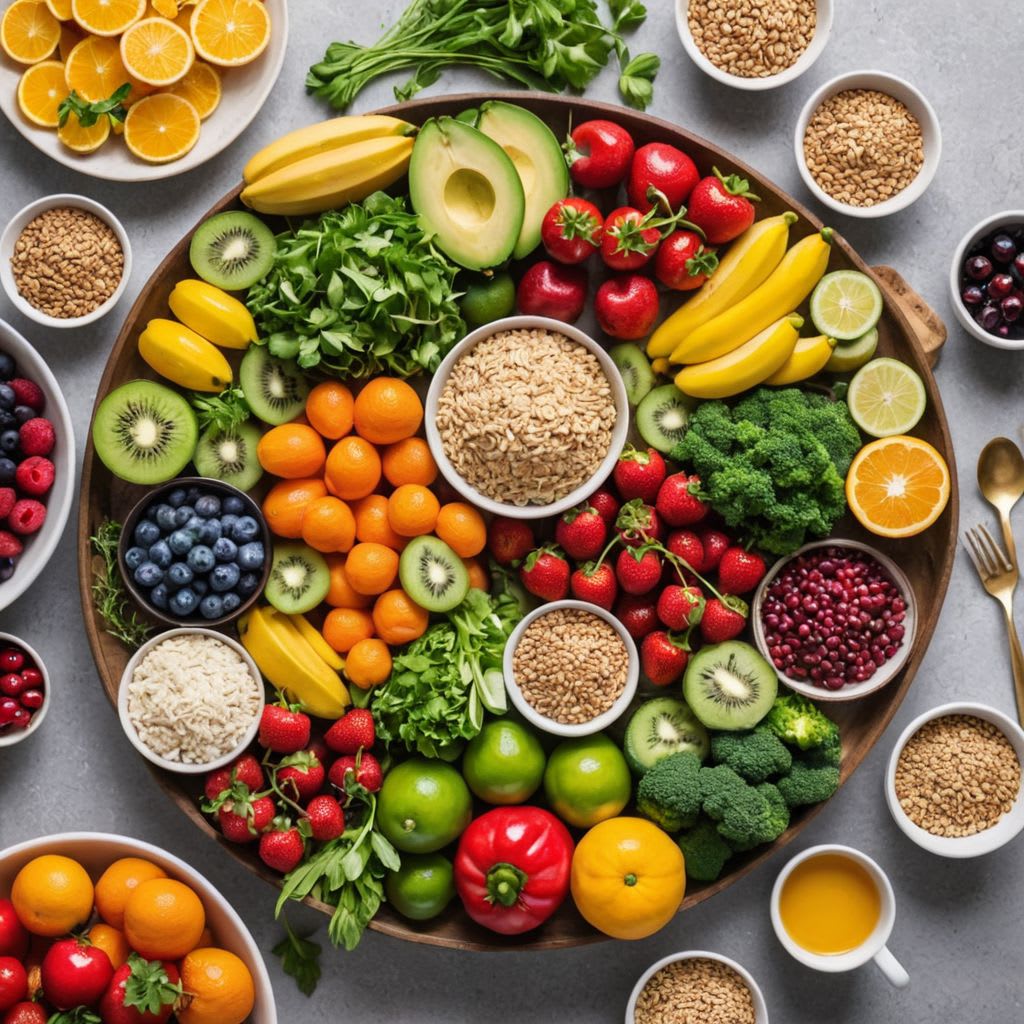
In today’s fast-paced world, maintaining a healthy diet can seem daunting. However, meal planning is a powerful tool to ensure you get the nutrients you need while saving time and money. Whether your goal is weight loss, muscle gain, or overall wellness, a well-crafted meal plan forms the foundation of success. This comprehensive guide outlines the essentials of meal planning, its benefits, and practical tips for building a sustainable, balanced diet.
Why Meal Planning Matters
Meal planning brings structure to your eating habits, helping you meet nutritional needs without relying on unhealthy convenience foods. Key benefits include:
Better Nutrition: Thoughtful planning incorporates a variety of foods to meet daily nutrient requirements.
Portion Control: Standardizing portion sizes helps prevent overeating or undereating.
Time-Saving: Pre-planned meals reduce the stress of daily meal preparation.
Financial Savings: Shopping with a plan curbs impulse purchases and minimizes food waste.
Support for Health Goals: A customized plan aligns with specific objectives, like weight loss or muscle gain.
How to Create an Effective Meal Plan
1. Set Clear Goals
Clarify your dietary objectives. Are you aiming to lose weight, build muscle, or maintain good health?
Weight Loss: Focus on a calorie deficit with nutrient-dense, low-calorie foods.
Muscle Gain: Emphasize protein-rich foods and increase calories to fuel workouts.
General Wellness: Aim for balanced meals featuring whole foods, lean proteins, healthy fats, and complex carbohydrates.
2. Understand Macronutrients and Portion Sizes
Balance meals by understanding macronutrients—carbohydrates, proteins, and fats—and their role:
Carbohydrates (45-55%): Provide energy; sources include whole grains, fruits, and vegetables.
Proteins (20-30%): Build and repair tissues; examples are chicken, fish, beans, and tofu.
Fats (20-25%): Support brain health and energy; healthy sources include nuts, seeds, avocados, and olive oil.
Use these portion control guidelines:
Proteins: Palm-sized per serving.
Carbs: Fist-sized portion.
Fats: Thumb-sized amount.
3. Plan Weekly Meals
Map out three main meals and two snacks per day. Add variety by rotating ingredients and flavors. Prioritize seasonal produce for freshness and cost-effectiveness.
4. Meal Prep in Advance
Dedicate a day each week to meal prep. Cook in batches and store meals in reusable containers for convenience. Examples:
Cook grains like rice or quinoa in bulk.
Pre-chop vegetables for salads or stir-fries.
Prepare proteins such as grilled chicken or baked tofu in advance.
5. Incorporate Flexibility
Allow room for spontaneity or occasional indulgences to keep your plan enjoyable and sustainable.
Sample Balanced Meal Plan
Day 1
Breakfast: Scrambled eggs with spinach, whole-grain toast, and avocado.
Snack: Mixed nuts and a small apple.
Lunch: Grilled chicken salad with mixed greens, cherry tomatoes, cucumbers, and balsamic vinaigrette.
Snack: Carrot and celery sticks with hummus.
Dinner: Baked salmon, quinoa, and roasted broccoli.
Day 2
Breakfast: Greek yogurt with granola, honey, and fresh berries.
Snack: A boiled egg and a banana.
Lunch: Brown rice bowl with stir-fried tofu, bell peppers, and sesame seeds.
Snack: Protein shake or smoothie.
Dinner: Grilled turkey burger (without a bun), sweet potato fries, and a green salad.
Customizing for Dietary Preferences
Tailor your meal plan to accommodate unique needs:
Vegetarian/Vegan: Swap animal proteins for plant-based options like beans, lentils, or tempeh.
Low-Carb/Keto: Reduce carbs by using alternatives like cauliflower rice or zucchini noodles.
Gluten-Free: Opt for gluten-free grains such as quinoa or millet and check sauces and condiments for hidden gluten.
Tips for Staying on Track
Stay Hydrated: Drink at least 8-10 glasses of water daily.
Have Healthy Snacks Ready: Keep options like nuts, fruits, or boiled eggs within reach.
Practice Mindful Eating: Pay attention to hunger cues and eat without distractions.
Adjust as Needed: Regularly reassess and tweak your plan to suit your goals.
Indulge Occasionally: Satisfy cravings with controlled indulgences, such as a piece of dark chocolate or dessert.
Common Pitfalls and How to Avoid Them
Skipping Meals: This often leads to overeating later. Stick to your schedule, even with smaller portions.
Repetitive Menus: Relying on the same foods can lead to nutrient deficiencies.
Excessive Strictness: Build flexibility into your plan to accommodate social occasions and cravings.
Conclusion
Meal planning goes beyond food preparation—it’s a practical way to optimize health, save time, and manage resources effectively. By understanding your nutritional needs, setting realistic goals, and incorporating variety, you can create a sustainable plan that supports your lifestyle and well-being. Start with small, achievable steps and build consistency over time. A balanced diet and mindful eating habits will transform your approach to food and health.
About the Creator
Large Protests Against Donald Trump’s Policies Continue — Why the Movement Keeps Going Viral
Across major cities in the United States and Europe, large-scale protests tied to Donald Trump’s policies and political influence continue to dominate headlines and social media timelines. From packed city squares to viral protest signs, livestreams, counter-demonstrations, and trending hashtags, the story refuses to cool down.
By Omasanjuwa Ogharandukun5 days ago in Journal


Comments
There are no comments for this story
Be the first to respond and start the conversation.