
Mass Deportation in Saudi Arabia as Security Raids Widen: A Closer Look at the Humanitarian and Economic Impact
Amid heightened security measures, Saudi Arabia’s crackdown on foreign nationals raises questions about human rights and economic impact."

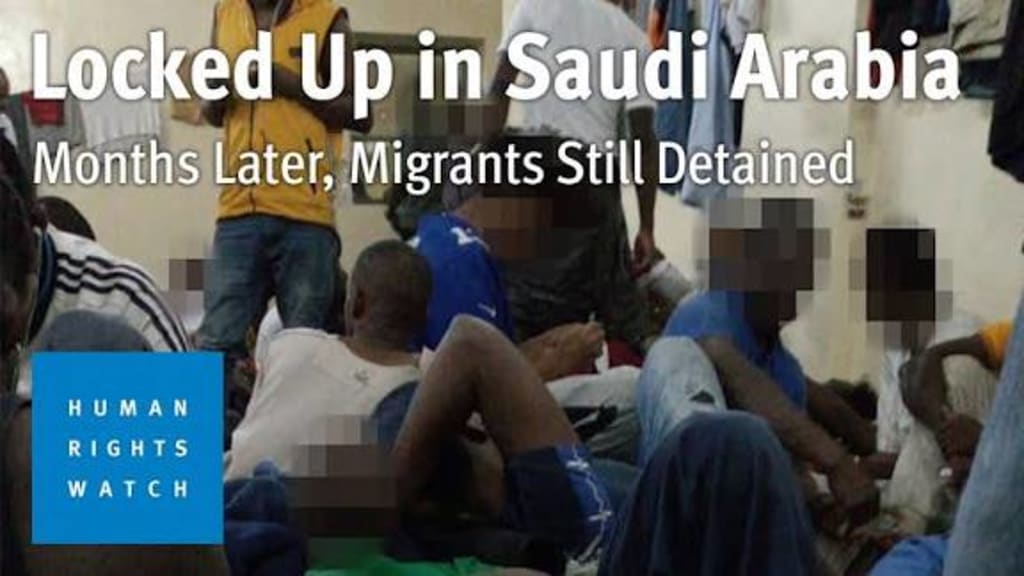
In recent weeks, Saudi Arabia has intensified its crackdown on undocumented migrants, leading to a mass deportation of foreign workers. This move follows a series of security raids targeting illegal workers across the kingdom. With the government tightening enforcement measures, many individuals—primarily from neighboring countries such as Yemen, Pakistan, and India—are now facing the risk of deportation, contributing to a significant shift in the dynamics of labor markets in the region. But what does this mass deportation mean for Saudi Arabia's economy, society, and the future of migrant labor in the country?
The Scope of the Security Raids
The Saudi government has been carrying out large-scale security raids aimed at identifying and detaining foreign nationals who have overstayed their visas or entered the country illegally. In the past month alone, thousands of people have been apprehended as part of an intensified operation led by the Ministry of Interior. The crackdown is part of Saudi Arabia’s broader strategy to bolster its national security and ensure that all workers in the kingdom are employed legally, with valid permits.
These operations primarily target workers in sectors such as construction, domestic services, and low-wage labor. Many of the affected migrants come from countries that send large numbers of workers to the Middle East, such as India, Pakistan, Bangladesh, and Egypt. With the increase in raids, the government has been sending large numbers of people back to their home countries, creating a ripple effect in both the labor force within Saudi Arabia and the economies of the countries involved.
The Economic Impact of Mass Deportation
Saudi Arabia's economy has long depended on migrant labor, particularly in sectors such as construction, retail, and domestic work. Foreign workers make up a significant portion of the workforce, with estimates suggesting that over 30% of Saudi Arabia's total population is foreign-born. This reliance on foreign labor has been vital for the country’s growth, especially with the kingdom’s ambitious development plans under its Vision 2030 initiative, which seeks to diversify the economy beyond oil dependence.
The mass deportations, however, are causing disruption. With a large portion of the workforce being sent back to their home countries, many businesses are struggling to fill labor gaps. Industries that depend on low-wage workers, such as construction and domestic work, are facing staffing shortages, potentially delaying ongoing projects and impacting productivity. Moreover, the abrupt removal of so many workers raises concerns about the long-term stability of the labor market and the availability of skilled labor in the kingdom.
This shortage of labor could also drive up wages for legal workers, particularly in sectors that have previously relied on cheap foreign labor. While this might benefit some segments of the local workforce, it could also lead to an increase in living costs and inflation, impacting both residents and businesses. Additionally, businesses that have been relying on low-cost migrant workers may face financial strain, as they are forced to raise wages or deal with an unstable labor market.
Humanitarian Concerns
While the Saudi government's crackdown on illegal immigration may be framed as a necessary step to ensure national security, it has also raised significant humanitarian concerns. Reports from human rights organizations have highlighted the harsh conditions faced by those being detained during the raids. Migrants are often held in overcrowded detention centers with limited access to food, healthcare, and basic services.
The forced deportation process itself has been chaotic for many individuals. Migrants who have lived in Saudi Arabia for years—sometimes even decades—are being sent back to countries that they no longer recognize as home. Many of these individuals have families in Saudi Arabia and are often the primary breadwinners for their relatives, adding to the social and emotional toll of the mass deportations.
Additionally, human rights advocates have pointed to the lack of adequate legal representation for those detained during the raids. Many workers are not given the opportunity to appeal their deportation orders, leaving them vulnerable to unfair treatment and potential exploitation during the deportation process.
The Political Dimensions
The mass deportation in Saudi Arabia is not only a domestic issue but also a matter of international concern. Countries like Pakistan, India, and Bangladesh have expressed their concerns over the treatment of their citizens in Saudi Arabia. Diplomatic tensions may rise as governments in these nations seek assurances regarding the welfare of their citizens who are being sent back in large numbers.
In the context of the broader geopolitical landscape, Saudi Arabia’s crackdown on migrants also ties into the kingdom's efforts to control its borders amid regional instability. The security raids have been positioned as part of a broader strategy to safeguard the kingdom from potential security threats, including the infiltration of extremist elements. However, this framing is contentious, as it often fails to distinguish between legitimate security concerns and the rights of innocent migrant workers.
The Future of Saudi Arabia’s Labor Market
Looking forward, the Saudi government faces the challenge of balancing its desire for a secure and stable labor force with its need to maintain a vibrant and diverse economy. While the crackdown on undocumented workers is unlikely to be reversed in the short term, the kingdom will need to implement policies that mitigate the negative economic and social impacts of the deportations.
One potential solution could be the expansion of labor rights for migrant workers in Saudi Arabia, ensuring better protections for those employed legally while preventing the exploitation of vulnerable foreign nationals. Additionally, the country could explore programs that allow migrant workers to enter the country under legal terms, facilitating a smoother transition for workers who wish to return to Saudi Arabia after they’ve been deported.
Saudi Arabia's Vision 2030 also emphasizes the importance of building a more diversified, knowledge-based economy. To achieve this, the kingdom will need to find ways to integrate its migrant workforce more effectively, providing them with better opportunities to contribute to the country's development.
Conclusion
Saudi Arabia’s mass deportation campaign represents a complex intersection of security concerns, economic imperatives, and humanitarian challenges. As the kingdom navigates its broader national security strategy and labor market needs, the repercussions of these mass deportations will be felt far beyond its borders. Migrant workers who are sent back to their home countries may face difficult reintegration processes, while the country itself must reckon with the social and economic consequences of removing such a significant portion of its workforce.
Moving forward, Saudi Arabia will need to address these challenges carefully, ensuring that its labor market remains robust, its international relationships stable, and the rights of migrant workers are protected in line with both its strategic and humanitarian goals.
About the Creator
Fiaz Ahmed
I am Fiaz Ahmed. I am a passionate writer. I love covering trending topics and breaking news. With a sharp eye for what’s happening around the world, and crafts timely and engaging stories that keep readers informed and updated.
Keep reading
More stories from Fiaz Ahmed and writers in Journal and other communities.
Ukraine War Briefing: Macron Warns that Without Deterrence, ‘Russians Will Come Back’
French President Emmanuel Macron sounded a stark warning: if a peace plan in Ukraine lacks “elements of deterrence,” the Russians will not honor their promises—and they will return. Speaking at a high-stakes gathering of global leaders, Macron emphasized that any proposal to end the war must include credible security guarantees to prevent renewed aggression.
By Fiaz Ahmed 4 months ago in Journal
Author’s Advice
If you would’ve asked me 20 years ago did I know I’d become a writer and an author, I would’ve said “nope, ain’t happening”. As fate would have it I did become an author and I can honestly say I’m loving it so far. It really does feel good to be a writer. I’ve learned a lot on this journey and I feel like with even me being as new to this world as I am, there’s some wisdom I need to share with every other aspiring author.
By Joe Patterson5 days ago in Journal




Comments
There are no comments for this story
Be the first to respond and start the conversation.