
Luigi Nicholas Mangione: The Alleged Killer Who Shook America
Inside the Case of the UnitedHealthcare CEO’s Murder

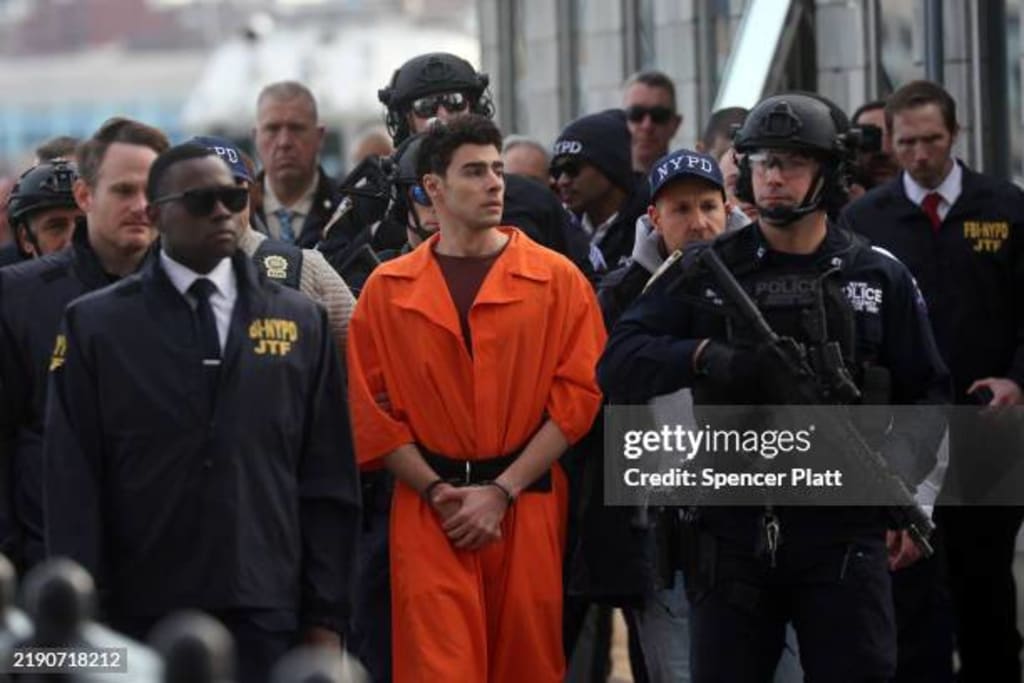
On December 4, 2024, the corporate and healthcare worlds were stunned when Brian Thompson, the CEO of UnitedHealthcare, was shot and killed in New York City. The alleged gunman, Luigi Nicholas Mangione, a 26-year-old Maryland native and Ivy League graduate, was quickly arrested and charged with multiple counts, including second-degree murder and terrorism-related offenses.
The case of Luigi Mangione has since grown into one of the most high-profile trials in the United States—capturing national and international attention, sparking debates about healthcare, justice, social media, and the line between reality and digital myth.
Who Is Luigi Nicholas Mangione?
Born in 1998 in Towson, Maryland, Mangione’s early life seemed fairly ordinary. He excelled academically, later attending the University of Pennsylvania, where he studied computer science and mathematics.
His path, however, took a darker turn. In December 2024, prosecutors alleged that Mangione meticulously planned and executed the fatal shooting of Brian Thompson, CEO of one of the most powerful healthcare corporations in the U.S. According to authorities, Mangione left behind a manifesto criticizing corporate healthcare practices and linking his actions to a broader disillusionment with the American system.
Despite the charges, Mangione has pleaded not guilty to all allegations.
The Killing of Brian Thompson
The incident occurred in New York City on December 4, 2024, outside Thompson’s residence. Reports say that Mangione shot Thompson multiple times, leading to his death at the scene.
The killing immediately shocked the public not just because of Thompson’s position as the head of UnitedHealthcare, but also because of the symbolism behind the act. UnitedHealthcare is the largest health insurer in the United States, often criticized for denied claims, expensive premiums, and its role in America’s healthcare debates.
Law enforcement officials swiftly apprehended Mangione, who did not resist arrest. His capture set the stage for what would become one of the most closely watched legal battles of the decade.
The Charges Against Mangione
Mangione was initially charged with:
Second-degree murder under New York state law
Weapons possession
Terrorism-related charges under both state and federal law
Prosecutors argued that the killing was an act of political violence, targeting a symbol of corporate healthcare. Federal authorities later added charges that could potentially carry the death penalty, intensifying public interest in the case.
However, in September 2025, a judge dismissed two of the terrorism charges, ruling that prosecutors had not provided sufficient evidence to support them. While this represented a partial legal victory for Mangione’s defense team, he still faces multiple severe charges that could result in life imprisonment or capital punishment if convicted at the federal level.
Social Media and Public Reaction
Unusually, Mangione’s case has not remained confined to legal documents and courtrooms. It has exploded into the digital realm, where his image and story have taken on a life of their own:
Memes and Fan Culture: Courtroom sketches, mugshots, and even his clothing choices (such as loafers and sweaters) have gone viral. Some fans have mimicked his style, calling it “Luigi-core.”
#FreeLuigi Movement: Supporters online have reframed Mangione as a folk hero, claiming he represents frustration with the U.S. healthcare system.
Crowdfunding: Defense fundraisers have raised more than $1 million from sympathizers across the country.
Criticism: At the same time, many observers warn against romanticizing someone accused of a violent crime, emphasizing that Brian Thompson’s murder should not be trivialized or overshadowed by internet trends.
This combination of tragedy, social commentary, and viral culture has made the case unlike any other in recent history.
Broader Issues at Stake
1. Healthcare System Discontent
Mangione’s alleged motivations—expressed in writings and statements tied to his case—reflect anger at America’s healthcare industry. Many people see the case as symbolic of broader dissatisfaction with rising costs and corporate control of medical care.
2. Justice and Media
The dual nature of the trial—both in courtrooms and in the “court of public opinion”—has raised questions about whether viral fame influences justice. Will memes and social media fandom affect how the public views the trial?
3. Glorification vs. Reality
The public fascination with Man
gione reveals a dangerous cultural tendency: turning alleged criminals into icons. While some may sympathize with his grievances, it is important to distinguish between criticizing systemic problems and excusing violent acts.
4. Legal Complexity
With terrorism charges partly dismissed and federal charges still pending, Mangione’s case illustrates how layered and complicated high-profile criminal prosecutions can be.
Where Things Stand Now
As of late 2025, Luigi Mangione’s legal battles are ongoing. He remains in custody, awaiting trial on murder and related charges. Federal prosecutors continue to pursue their case, which could become one of the most significant criminal trials in years.
Meanwhile, public interest remains high. Every court date brings new headlines. Social media hashtags trend globally. Fashion blogs discuss his attire. Activists debate healthcare reform in his name.
Mangione has become, for better or worse, a symbol—though what exactly he symbolizes depends on who you ask. For some, he’s an alleged murderer. For others, a misguided protester. And for many, he’s a mirror reflecting the frustrations, contradictions, and cultural obsessions of America in 2025.
Conclusion
The story of Luigi Nicholas Mangione is not just the story of a criminal case—it is the story of how tragedy, media, and society intersect in the digital age. At its center lies the killing of Brian Thompson, a respected CEO, whose death has left a profound impact on his family, colleagues, and the corporate world.
As the case proceeds, the focus should remain on justice—for both the accused and the victim. Whether Luigi Mangione is ultimately found guilty or not, his case will leave behind lessons about the dangers of internet myth-making, the power of public opinion, and the urgency of addressing systemic frustrations that can drive individuals to extremes.
About the Creator
Vital East
Sharing clear, insightful stories on health and the Middle East—where knowledge meets perspective.
Keep reading
More stories from Vital East and writers in Journal and other communities.
Robert Redford: The Hollywood Legend Who Redefined Storytelling
When we think of timeless Hollywood icons, Robert Redford immediately comes to mind. His name evokes images of charm, intelligence, and authenticity. From his early acting days in the 1960s to his role as a pioneering filmmaker and environmental advocate, Redford’s career is a blueprint of how one individual can leave an indelible mark on cinema and culture.
By Vital East4 months ago in Geeks
The goals I did not achieve
Every writing goal I made for the year is a wash. It has been this way for a while, but I think it's important to be open about my failures and the reality of how life can get in the way. This is especially true considering the several times I have posted on Vocal about my writing goals, how I was changing my approach, and where I was hoping to be for the upcoming year. I will probably do that again in a couple months, but for now, it is time to acknowledge where I am today.
By Kay Husnick23 days ago in Journal
Ludacris and Nelly draw backlash over bookings at MAGA-coded music festival
Ludacris and Nelly headlining a mostly right-wing event is good for them. It’s also great for the genre of hip hop. The two rap veterans have showcased their talents on other stages. Why can’t they perform for mostly MAGA folks and grab that bag?
By Skyler Saunders4 days ago in Beat



Comments
There are no comments for this story
Be the first to respond and start the conversation.