
Lubrication Strategies for Efficient Journal Bearing Operation
Find the role of proper lubrication for optimal performance of journal bearings. Know how to avoid bearing failures with adequate lubrication strategies.

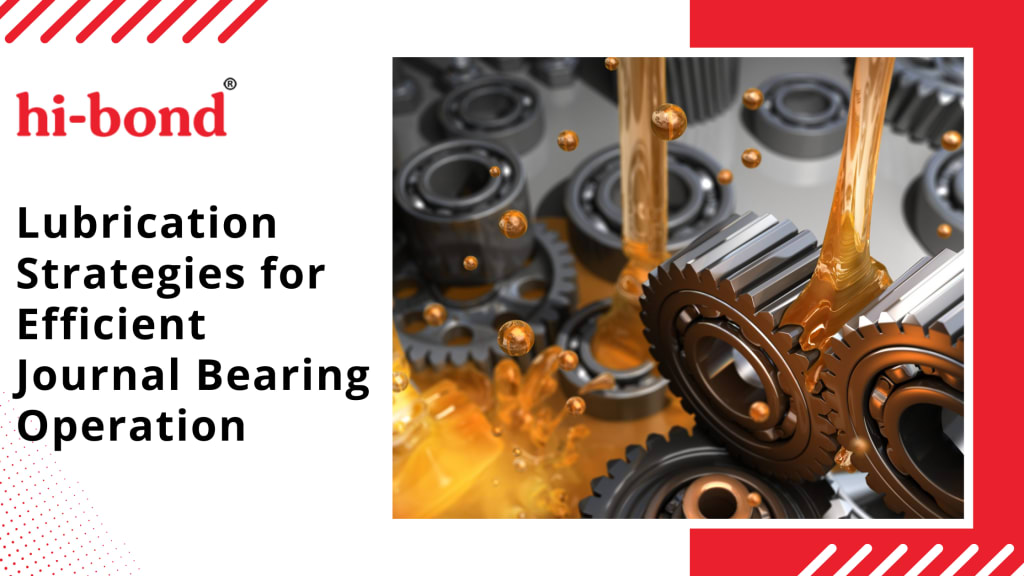
With the modern innovation in advanced machinery and mechanical engineering, tiny mechanical components and bearings are essential for the smooth movement between two rotating machines. For better durability, longevity, and efficiency, adequate lubrication is necessary for bearings, including journal bearings, since they lack the rolling elements for higher performance.
However, their design and operation are vital in ensuring smooth, efficient, and reliable performance across various industrial applications. Lubrication strategies are crucial for increasing this efficiency in journal bearing, as they reduce friction and help manage the extreme mechanical stress experienced during operation.
This blog discusses the advanced lubrication methods used for efficient journal bearing operations. It focuses on how proper lubrication can reduce issues, including wear and bearing failure, even in demanding conditions like high-speed rotations and fluctuating speeds and temperatures.
Understanding Journal Bearings: Function and Importance
Journal bearings, often called plain bearings, support a rotating shaft by providing a continuous surface over which the shaft rotates. Unlike bearings with rolling elements, such as ball bearings, journal bearings operate on the principle of hydrodynamic lubrication.
This process creates a thin film of lubricant, primarily oil, between the bearing and the shaft, allowing smooth, frictionless movement.
Breaking Down the Key Components and Operating Principles
Journal bearings contain a shaft or journal and a bearing surface. The lubricant forms a thin oil film that separates the two surfaces, preventing direct contact and reducing wear. This oil film is necessary to support the load and dissipate the heat from bearing friction.
Understanding the interaction between the journal and the bearing surface is fundamental when designing lubrication strategies for these mechanical components.
Why Lubrication Matters: Improving Bearing Performance
The Vital Role of Oil Film Formation in Bearing Performance
The effectiveness of a journal bearing is heavily dependent on forming a robust and stable oil film. When these mechanical components are in operation, the motion of the shaft drags the lubricant into the vacant space between the two surfaces.
This dynamic process forms a thin film that acts as a cushion, ensuring that the contact surfaces never meet directly. In addition to reducing friction, this film helps absorb shock loads, essential during rapid acceleration or deceleration phases in various bearing applications.
Impact Of Lubrication: Reducing Friction and Preventing Wear
Proper lubrication reduces friction by reducing direct metal-to-metal contact. This process improves efficiency and prolongs the life of the bearing by reducing wear. Inadequate lubrication can result in surface damage and, ultimately, bearing failure.
Therefore, selecting the proper lubricant, considering its viscosity, thermal stability, and load-carrying capacity, is essential for maintaining smooth operation, especially when dealing with bearing running in demanding environments.
Smart Lubrication Strategies for High-Speed and Variable Conditions
Optimizing Performance: Challenges of High-Speed Bearing Operation
In high-speed applications, bearings from a reliable manufacturer should accommodate the increased dynamic forces acting upon them. Due to increased shear forces and heat generation, generating and maintaining a proper oil film becomes more challenging at high speed.
Advanced lubrication strategies often involve synthetic lubricants or specially formulated oils that maintain viscosity and lubricating properties under strenuous conditions.
Managing Speed and Temperature for Efficiency
The operational environment of a journal bearing is characterized by varying speeds and temperatures, which can influence the lubricant's performance and stability.
High temperatures may reduce oil viscosity, compromising the thickness of the protective film. Extremely low temperatures can cause the lubricant oil to thicken, resulting in increased friction during startup. Engineers should carefully consider these factors when designing lubrication systems, often including cooling systems or selecting lubricants that can adapt to various temperatures.
Overcoming Challenges: Preventing Journal Bearing Failures
Avoiding Problems: Identifying and Preventing Common Bearing Failures
Bearing failure in journal bearings results from inadequate lubrication, improper maintenance, or unsuitable lubricants for specific operating conditions. The primary factors that result in bearing failure include:
- Contamination: Particles and impurities in the specialized lubricant can cause excessive wear and severe damage to the bearing surfaces.
- Insufficient Oil Film Formation: Without a proper film, direct metal-to-metal contact occurs, accelerating wear.
- Thermal Degradation: Increased temperatures can break down the lubricant, reducing its effectiveness and leading to overheating.
- Misalignment or Improper Installation: Even with adequate lubrication, poor installation can result in uneven load distribution and premature failure.
Best Practices for Ensuring Smooth and Efficient Bearing Operation
Consider the best practices to avoid these pitfalls and ensure that your bearings are running and perform optimally.
- Lubricant Selection: Choose lubricants designed for your journal bearing's operating conditions. Consider factors such as temperature range, load, and rotational speed. Synthetic oils offer superior performance in high-speed and high-temperature applications.
- Regular Maintenance: Implement routine inspections to monitor lubricant levels and check for contaminants. This proactive approach can help detect issues before they turn into major problems.
- System Monitoring: Use sensors and real-time monitoring systems to track operational parameters such as vibration, temperature, and lubricant viscosity. Early detection of inconsistencies can prevent catastrophic failure.
- Proper Installation Methods: Ensure that the bearings are installed according to the specifications of a reputable bearing manufacturing company. Proper alignment and the correct installation process are essential to achieve optimal lubrication distribution and reduce wear.
Practical Insights: Real-World Applications and Maintenance Tips
In many industrial applications, journal bearings are critical components in systems that experience constant motion and high mechanical stress. For example, turbines and generators rely on these bearings in the energy sector to operate smoothly under variable load conditions.
Similarly, heavy machinery with these specialized bearings in manufacturing environments should operate reliably over long periods with minimal downtime.
Implementing a comprehensive maintenance schedule that includes lubrication system checks can reduce the risk of bearing failure.
In addition, training personnel on the importance of proper lubrication techniques and maintenance protocols ensures that every team member understands the critical role of lubrication in sustaining bearing performance.
Optimize Journal Bearing Performance With Proper Lubrication and Expert Manufacturing Support
Efficient journal bearing operation requires seamless implementation of robust lubrication strategies. From forming a stable oil film to managing the challenges posed by high-speed operations and fluctuating speeds and temperatures, each aspect of the lubrication process is vital for preventing bearing failure and ensuring longevity.
While ball bearings and other rolling elements offer alternative solutions in some applications, plain bearings remain indispensable in heavy-duty machinery and systems that require even load distribution and vibration damping.
Collaborating with a trusted bearing manufacturing company can provide tailored solutions, ensuring the selection of high-quality materials, precision engineering, and advanced lubrication techniques for optimal bearing performance.
Understanding and applying these lubrication strategies is essential for professionals searching to optimize their machinery’s performance and longevity.



Comments
There are no comments for this story
Be the first to respond and start the conversation.