
Compressor Bearings: How To Select The Right Fit
Know the crucial factors and benefits of choosing the perfect compressor bearings. Gain exceptional performance and longevity in diverse applications of these bearings.

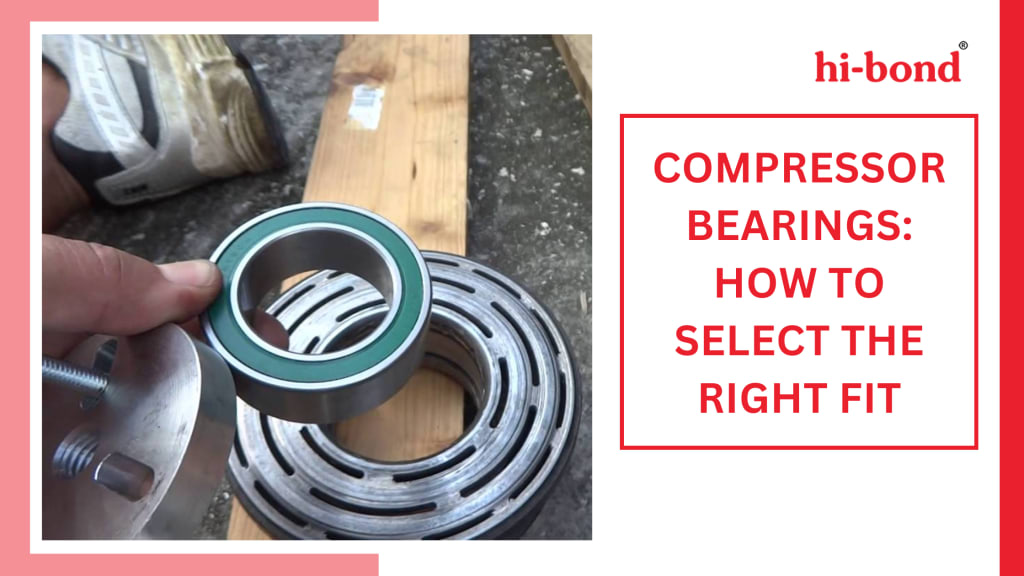
Innovations in advanced machinery and mechanical engineering allow components for smooth machine operations without friction, such as bearings. One durable component is compressor bearings, which become an integral part of the efficient operation of compressors and are widely used across industries such as HVAC, manufacturing, and automotive.
Choosing a suitable compressor bearing from a trusted bearing manufacturing company is essential for reliability, optimal performance, and longevity. This blog will be a detailed guide to discuss the important considerations, different types of bearings, and parameters that influence the selection process.
A Concise Details About The Compressor Bearings
A compressor bearing is a crucial component that supports the specific rotation and motion within HVAC system compressors. These bearings assist in smooth bearing operation while reducing friction, wear, and tear. Depending on the design, various compressor bearings can handle axial and radial loads, making them versatile for various applications.
The Different Types Of Bearings Used In Compressors
Selecting the appropriate type of bearing is the first step in ensuring the smooth functioning of a compressor. Bearings can be broadly categorized based on their design and the nature of the load they carry.
Ball Bearings: These are from a trusted bearing manufacturer and comprise rolling elements, balls, and a raceway. They are best suited for light to moderate radial and minimal axial loads. For example, single-bearing configurations are standard in smaller compressors.
Roller Bearings: These bearing bushings use cylindrical rolling elements instead of balls. They are capable of handling higher radial loads and are categorized based on the rolling elements. Examples include spherical roller bearings and tapered roller bearings.
Thrust Bearings: These are designed to monitor axial loads and are often paired with ball or roller bearings for hybrid functionality.
Journal Bearings: These bearings operate on a thin film of bearing lubricant instead of rolling elements. They are preferred for high-speed and high-load applications.
Each bearing type has unique characteristics that make it suitable for compressor applications. Collaborating with trusted bearings and bushes suppliers can help you decide which is the best fit for your needs.
The Primary Factors In Bearing Selection
Selecting the right bearing involves analyzing multiple factors to ensure compatibility and efficiency. There are crucial aspects to consider during the bearing selection process.
Operating Speed
The speed of the compressor shaft indicates the type of bearing required. Bearings with high precision and lower friction needs, including ball bearings, perform better at higher speeds.
Bearing Load Capacity
Compressor bearings are primarily designed to withstand various combinations of radial and axial loads. Deciding the load direction, magnitude, and central distribution helps select the right bearing type.
Radial Loads: These loads are the forces acting perpendicular to the axis of rotation.
Axial Loads: These loads are the forces acting parallel to the axis of rotation.
For example, ball bearings are effective for light radial loads, whereas roller bearings are ideal for heavy radial loads.
Environmental Conditions
Various factors, including humidity, temperature, and contaminant exposure, can impact bearing performance. Some bearings come with seals or shields to protect the bearing parts from external factors.
Lubrication Requirements
Proper lubrication reduces friction and prevents wear. You can ensure the compatibility between the material and bearing lubrication used in bearings, as insufficient lubrication can result in premature failure.
Durability and Life Expectancy
A bearing's operational lifespan directly impacts downtime and maintenance costs. Select bearings that balance durability with your compressor's operational demands.
Steps To Select The Right Compressor Bearing
Identify Application Requirements
Start by evaluating the compressor's operational demands. Is it handling heavy loads, high speeds, or both? Understanding these needs helps narrow down the suitable options.
Consult With A Bearing Manufacturing Company
Collaborating with a reliable bearing manufacturing company ensures the latest access to high-quality products and expert project guidance. They can recommend bearings customized to the compressor's specifications.
Check Material And Coating
Bearings should be manufactured from materials capable of withstanding the compressor’s operating conditions. Protective coatings on compressor bearings, including anti-corrosion layers, are essential for durability.
Evaluate Bearing Design
You can consider whether a single-bearing design or a multiple-bearing setup is suitable for your compressor. However, single and ball bearings are often preferable for compact systems.
Prioritize Maintenance And Accessibility
Ease of maintenance is a primary factor. Bearings that are easy to lubricate by selecting the suitable lubricant and replacing them can minimize operational downtime and costs.
The Potential Benefits Of Choosing The Right Bearing
Improved Performance
Using the appropriate bearing type from reliable bearing and bushes suppliers ensures smooth operation, even under high-speed and high-load conditions.
Extended Lifespan
Quality bearings from a trusted bearing manufacturing company are designed to last longer and withstand harsh environments.
Cost Efficiency
Optimal bearing selection reduces the need for instant replacements and reduces operational disruptions, saving both time and money.
Critical Mistakes To Avoid When Selecting Bearings
Ignoring Load Requirements: Selecting a bearing incapable of handling the compressor’s load will result in premature failure.
Overlooking Environmental Factors: Neglecting to consider operating conditions like humidity or temperature can result in corrosion or other damages.
Selecting Low-Quality Bearings: Always prioritize quality over costs to avoid frequent replacements and operational inefficiencies.
The Role Of Rolling Elements In Compressor Bearings
The rolling element is a critical bearing that decides the bearing’s load-carrying capacity and speed. The primary rolling elements in the compressor bearings include:
- Cylindrical Rollers: It is best suited for higher radial loads.
- Balls as Rollers: These are ideal for lower friction and moderate loads.
- Spherical Rollers: These rollers handle misalignment and heavy loads effectively.
A variety of each rolling element has unique benefits, making it essential to match the element type with the compressor’s specific requirements.
Why Partner With A Bearing Manufacturing Company?
Working with an established and popular bearing manufacturing company provides superior advantages, including various benefits listed below.
Technical Expertise: They offer proper guidance on the best bearings for your application.
Customized Solutions: Various tailored and customizable bearings designed to meet specific compressor needs and requirements seamlessly.
Quality Assurance: High-grade materials and precision engineering ensure superior performance while choosing reliable bearings and bushes suppliers.
Get Higher Efficiency And Longevity With Compressor Bearings For Smooth Operation
Selecting the suitable compressor bearing is a critical decision that impacts your compressor's overall performance, efficiency, reliability, and durability.
By understanding the type of bearings, considering the axial and radial load needs, and partnering with trusted bearings and bushes suppliers, you can make a better-informed decision that will benefit the equipment’s lifespan in the long term. Use suitable bearings to keep your compressors running smoothly and efficiently for future years.




Comments
There are no comments for this story
Be the first to respond and start the conversation.