
Los Angeles Protests: A City’s Voice in Action
The Impact, Causes, and Future of Public Demonstrations in LA

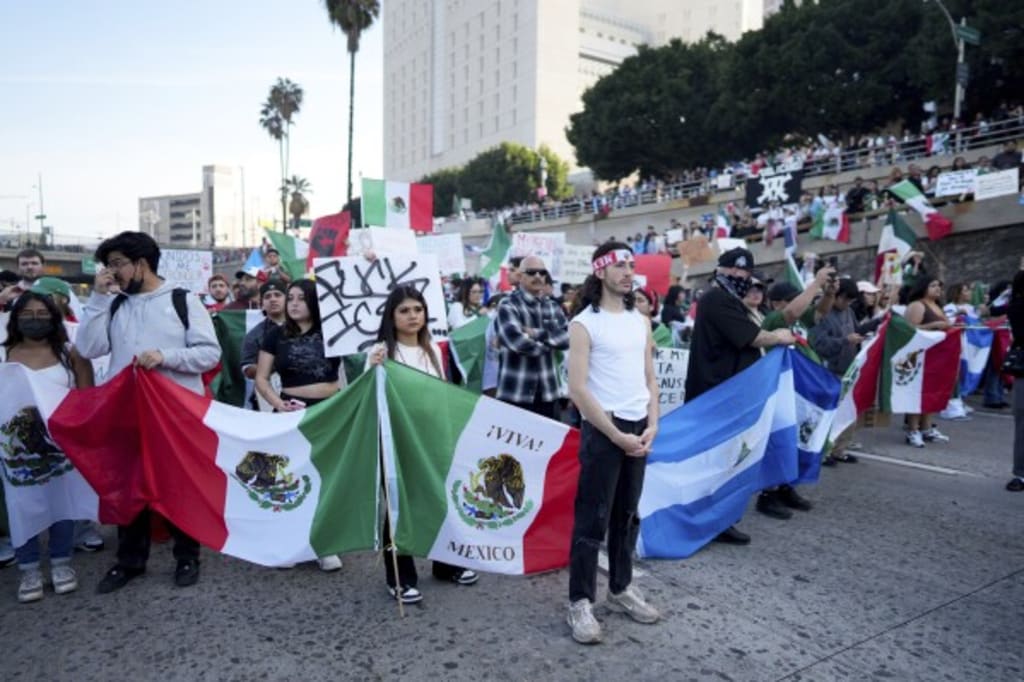
Los Angeles has long been a city known for its activism, with a history deeply rooted in civil rights movements, social justice demonstrations, and calls for political change. Over the years, protests have become an essential part of LA’s culture, bringing communities together to voice concerns on issues ranging from police reform and racial justice to climate change and labor rights.
The History of Protests in Los Angeles
Protests have been an integral part of Los Angeles for decades, with notable demonstrations such as the 1965 Watts Riots, the 1992 Rodney King riots, and more recently, the 2020 Black Lives Matter protests following the death of George Floyd. These protests have shaped the city’s political and social landscape, often leading to significant policy changes and broader conversations about systemic issues.
In the 1960s, the Watts Riots erupted as a response to police brutality and racial inequality. The unrest lasted six days, resulting in deaths, injuries, and widespread destruction. Decades later, in 1992, the acquittal of four LAPD officers in the beating of Rodney King sparked some of the most intense riots in American history, highlighting racial tensions and disparities in law enforcement. The protests in 2020 saw a new wave of activism, fueled by social media and a global outcry against police violence, further cementing LA's reputation as a hub for activism.
Current Protest Movements in Los Angeles
Los Angeles continues to witness numerous protests addressing a wide array of social and political issues. Some of the most prominent recent movements include:
1. Police Reform and Racial Justice
The call for police accountability remains a major driving force for protests in LA. Organizations like Black Lives Matter LA have been at the forefront, demanding justice for victims of police violence and advocating for systemic changes within the LAPD. Demonstrations often take place outside city hall, police stations, and key government buildings, urging lawmakers to defund the police and reallocate resources to community programs.
2. Housing Crisis and Homelessness
Los Angeles has one of the largest homeless populations in the United States, leading to ongoing protests advocating for affordable housing and tenant rights. Activist groups frequently organize demonstrations to push for rent control policies, eviction moratoriums, and better support systems for unhoused individuals.
3. Climate Change and Environmental Justice
Climate change activists in LA regularly organize protests to address environmental concerns, such as air pollution, wildfires, and oil drilling in urban areas. Groups like Extinction Rebellion and Sunrise Movement Los Angeles stage marches, sit-ins, and public demonstrations to demand action from local government and corporations contributing to environmental degradation.
4. Workers' Rights and Labor Movements
Los Angeles has a strong history of labor protests, with recent movements focusing on fair wages, better working conditions, and union rights. Strikes by teachers, healthcare workers, and gig economy employees have gained significant media attention, pushing for legislative reforms and corporate accountability.
The Role of Social Media in Protests
Social media platforms like Twitter, Instagram, and TikTok have played a crucial role in mobilizing protestors and spreading awareness about causes. Hashtags, live-streams, and viral videos help amplify voices, making it easier for activists to reach a global audience. Social media also serves as a tool for organizing protests, sharing safety tips, and documenting incidents of police brutality or government suppression.
The Impact of Protests on Policy and Society
Protests in Los Angeles have historically led to significant policy changes and social shifts. For instance:
The 1992 riots resulted in police reforms, including the implementation of community policing initiatives and increased oversight of the LAPD.
The Black Lives Matter protests of 2020 led to the reallocation of some police funds toward community programs and mental health services.
Labor protests have contributed to raising the minimum wage in California and improving working conditions for various industries.
Beyond policy changes, protests have also helped foster a greater sense of community and solidarity among Angelenos. They serve as a reminder that civic engagement is a powerful tool for change and that public demonstrations can hold authorities accountable.
Challenges and Controversies Surrounding Protests
While protests are a fundamental aspect of democracy, they often face challenges such as police crackdowns, misinformation, and public backlash. Authorities sometimes use tactics like tear gas, rubber bullets, and mass arrests to disperse crowds, raising concerns about civil rights violations.
Additionally, peaceful protests can sometimes escalate into violent confrontations, leading to property damage and clashes with law enforcement. This often sparks debates about the effectiveness of different protest tactics and how movements should balance urgency with maintaining public support.
The Future of Protests in Los Angeles
As social and political issues continue to evolve, protests in Los Angeles are unlikely to subside. With increasing youth participation and digital activism, the future of protests may see even greater mobilization and organization. Key factors that may shape future protests include:
Legislative Responses: Whether lawmakers choose to address activists' demands will determine the frequency and intensity of future demonstrations.
Technological Advancements: The use of digital tools, artificial intelligence, and virtual activism may change how protests are organized and executed.
Community Engagement: Building stronger coalitions among various activist groups may lead to more sustained movements with long-term impact.
Conclusion
Los Angeles remains a city where voices rise in unity to demand change. From racial justice to labor rights, protests continue to shape the city’s identity and influence national conversations. While challenges remain, the power of collective action proves that activism remains a vital force in LA’s social and political landscape. As the city moves forward, its tradition of protest will likely remain a key driver of progress and transformation.
About the Creator
Nisa Shamshair
I am a content writer and gives you information which is tranding in the world.
Keep reading
More stories from Nisa Shamshair and writers in Journal and other communities.
Ralph Macchio: The Enduring Legacy of the Karate Kid Star
Introduction Ralph Macchio is a name that has been synonymous with martial arts cinema and nostalgic pop culture for decades. Best known for his role as Daniel LaRusso in The Karate Kid franchise, Macchio has managed to sustain a successful career spanning over four decades. From his early days as a young actor to his resurgence with the hit Netflix series Cobra Kai, Macchio has remained a beloved figure in Hollywood. This article explores his journey, impact, and why his legacy continues to endure.
By Nisa Shamshairabout a year ago in Journal
Space Optimization Tips for Converting Existing Buildings into Drug Rehabilitation Centers
Introduction Converting an existing building into a drug rehabilitation center is a profoundly impactful initiative that demands meticulous planning and strategic space optimization. This process is not merely about repurposing walls; it is about transforming built environments into sanctuaries that promote healing, dignity, and long-term recovery. Amid rising demands for substance use disorder treatment, institutions and developers are tasked with leveraging existing infrastructures to fulfill therapeutic needs without compromising on quality or functionality. Achieving optimal space utilization requires a blend of creativity, regulatory compliance, and deep understanding of patient care dynamics.
By Fida Hassain5 days ago in Journal
Guard Your Battery
Why are some people so attractive just by standing there? It’s not because they are "likable," but because they don’t need everyone to like them. I realized later that truly charismatic people allow themselves to be criticized, but they never criticize themselves. They never try to please the world; instead, the world stops to watch them.
By Emily Chan - Life and love sharing5 days ago in Poets




Comments
There are no comments for this story
Be the first to respond and start the conversation.