
Looky-loo (2025)
An aspiring filmmaker obsessively captures footage everywhere he goes. His obsession takes a dark turn when he begins using his camera to stalk and film women.

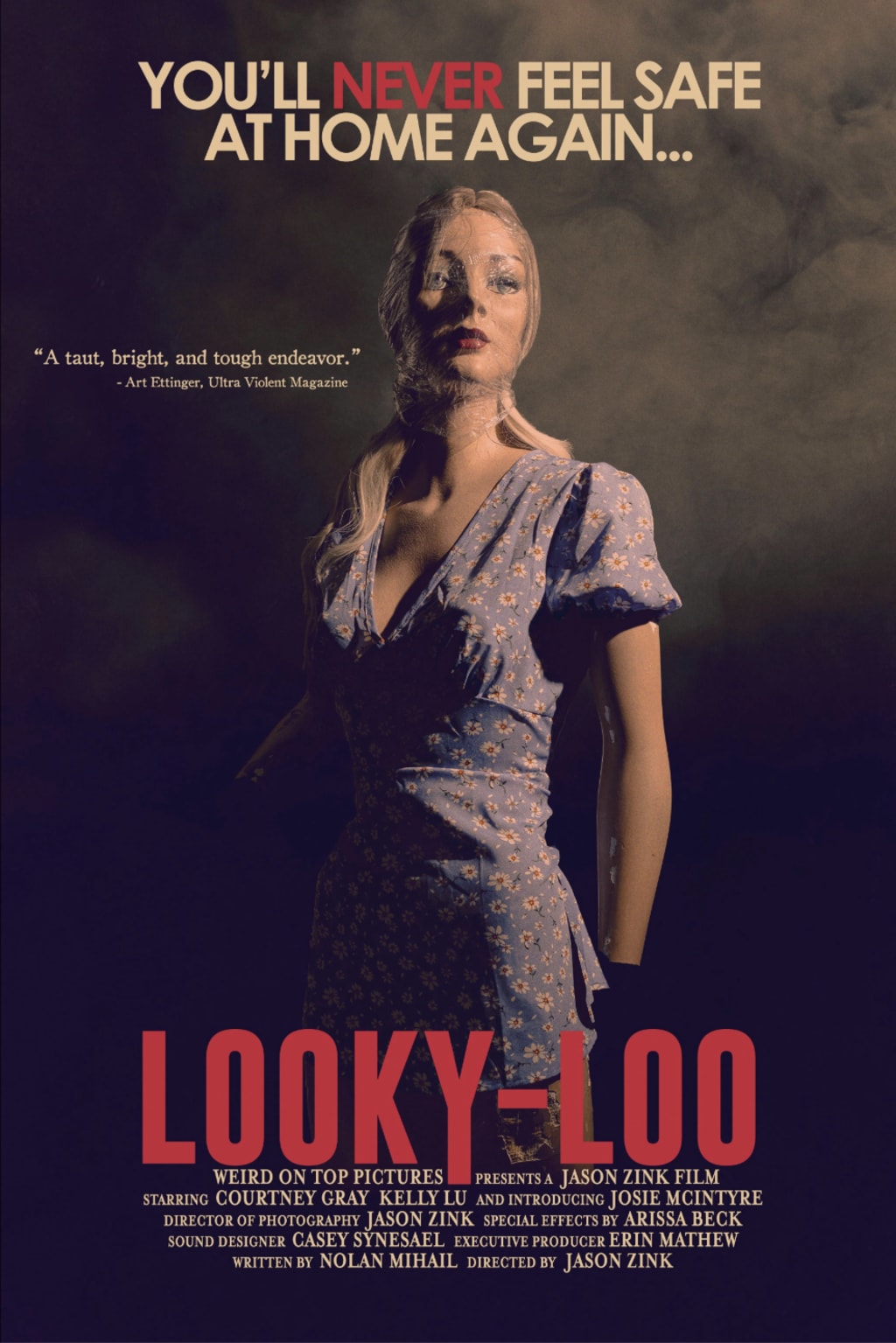
The Miranda Tapes: An Autopsy of a Haunting
We found the tapes scattered across the farmhouse floor, near the old camera. At first, they seemed like random fragments of a life interrupted, but when you piece them together, they don't tell a story of survival. They document a descent into a very specific kind of hell. This isn't just about the dead rising; it's about what happens when someone decides to watch.
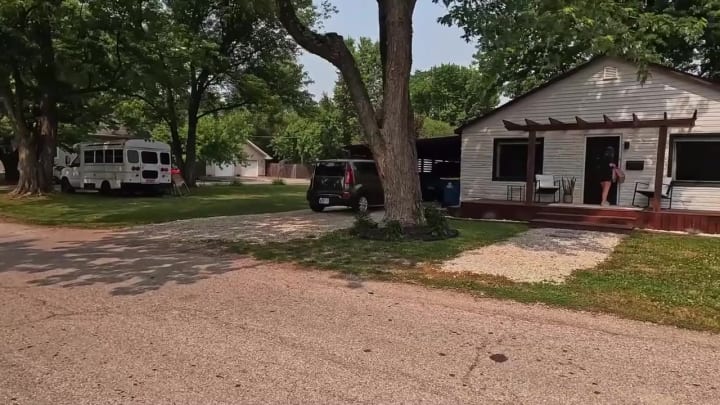
The story begins with the mundane static of everyday life. A concerned phone call to a friend named Morgan, who has just lost a job. "I have free time tonight," a voice says, full of warmth and concern, "I'll swing by and we'll watch a movie or something." It's a snapshot of a world that still makes sense—a world of friends, jobs, and shared evenings. But the normalcy is a fragile veneer, quickly torn away.
The first hint of the unraveling is a crackle from an old radio, a news report that sounds like a fever dream: the recently deceased are rising from their graves, committing acts of murder. The voice on the tape is filled with a chilling, detached dread. This isn't just news; it's a prophecy.
Then, the tone shifts. The camera, once a passive observer, becomes an active participant in the terror. We hear a voice, mocking and cruel, echoing a line from a forgotten horror film: "They're coming to get you, Barbara." A confrontation erupts. "What the hell are you doing?" someone screams, "Get away from my house!" The threat is no longer a distant report; it is at the door.

Interspersed with this growing panic is footage from another time, another life. A cassette tape dated May 24, 1995. A young woman named Miranda, full of life, records herself for posterity. "I just want to say when I'm rich and famous... I want this to be worth a lot of money," she says with a hopeful smile. "So, here's looking at you, okay?" She sings "Take Me Out to the Ball Game," a cheerful, innocent melody that becomes a haunting refrain against the backdrop of the unfolding horror. Who is Miranda? And why is her ghost lingering in these tapes?
The answer is terrifyingly simple. She was the first. The first star in this grotesque theater of cruelty.
The final tapes are a descent into madness. The protagonist, now a prisoner in their own home, whispers desperate questions to an unseen tormentor. "Why are you here?" "Who are you?" "What do you want me to do?" The pleas become frantic: "Please, don't." It becomes clear that the figures outside the window, the shambling dead, are not the true threat. They are the audience. Or perhaps, the cast.
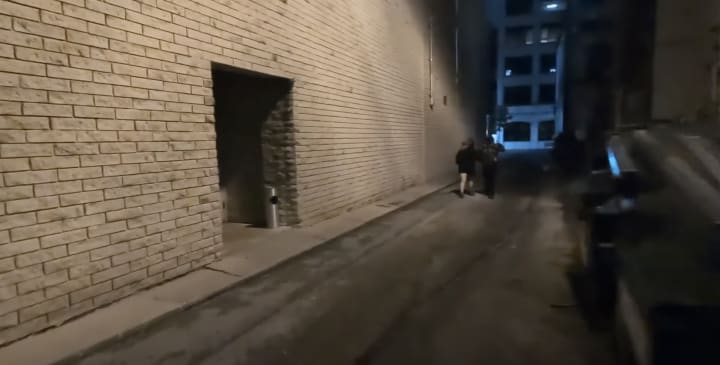
The true horror of the footage is revealed in the final, chilling moments. The person behind the camera is not a victim documenting their last stand. They are the director. The "looky-loo." They are the force compelling the dead to perform, to torment, to haunt. The pleas of the protagonist are not directed at the dead, but at the one holding the camera, the one orchestrating this nightmare for their own sick amusement.
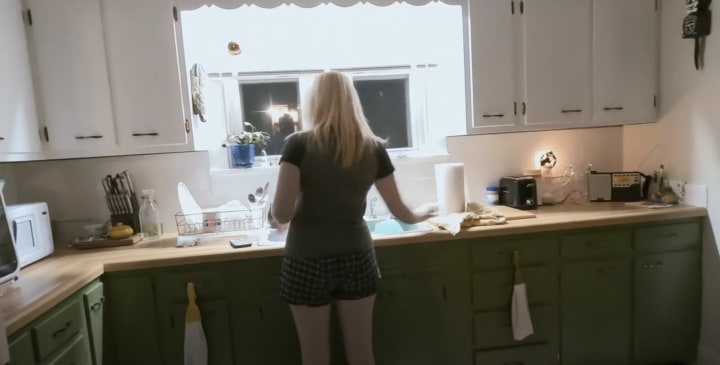
The tapes end with a single, whispered promise, a line that re-frames everything we've seen. As the protagonist stands over their latest, broken subject, they utter the words that Miranda herself might have once heard: "I'm going to make you a star." And in that line, the cycle is laid bare. This isn't a story about a zombie apocalypse. It's the story of a predator who creates monsters, not for survival, but for the show. It's a testament to the chilling idea that the greatest horror isn't being the one who dies, but being the one forced to perform for an audience that never looks away.
About the Creator
Save Good Movie
📌 Hit SAVE the moment you spot something good — so you’ll never run out of amazing films to watch on weekends, late nights, or those “what do I watch now?” moments.
Keep reading
More stories from Save Good Movie and writers in Journal and other communities.
Mai-chan's Daily Life
The House of Unspoken Appetites: A Maid's Descent Have you ever wondered about the quiet places at the edge of the world, where the roads fray into dirt paths and the silence is deep enough to hear your own heart beat? It is in one such place that our story unfolds—a story that begins with a want for something simple and ends in the discovery of an appetite one never knew they possessed. This is the tale of Miyako, a young woman who answered an ad for a maid, and in doing so, stepped through a door into a reality where pain is pleasure, and the body is merely a canvas for the darkest of human desires.
By Save Good Movie6 months ago in Journal
Poland Has More Gold Than the European Central Bank—and Has No Intention of Slowing Down
In an era marked by financial uncertainty, geopolitical tension, and shifting monetary priorities, gold has re-emerged as a strategic asset for nations seeking long-term stability. Among the most striking examples of this renewed focus is Poland. In recent years, the country has quietly but decisively accumulated gold reserves to the point where it now holds more gold than the European Central Bank (ECB) itself—a remarkable milestone for a single EU member state. More importantly, Polish officials have made it clear that this is not the end of the road. Poland’s gold-buying campaign is far from over.
By Salaar Jamali5 days ago in Journal



Comments
There are no comments for this story
Be the first to respond and start the conversation.