
Lemon Balm for Weight Loss: Benefits, Uses, and Recipes
Lemon balm may help with weight loss indirectly by reducing stress and improving sleep, which can prevent emotional eating.

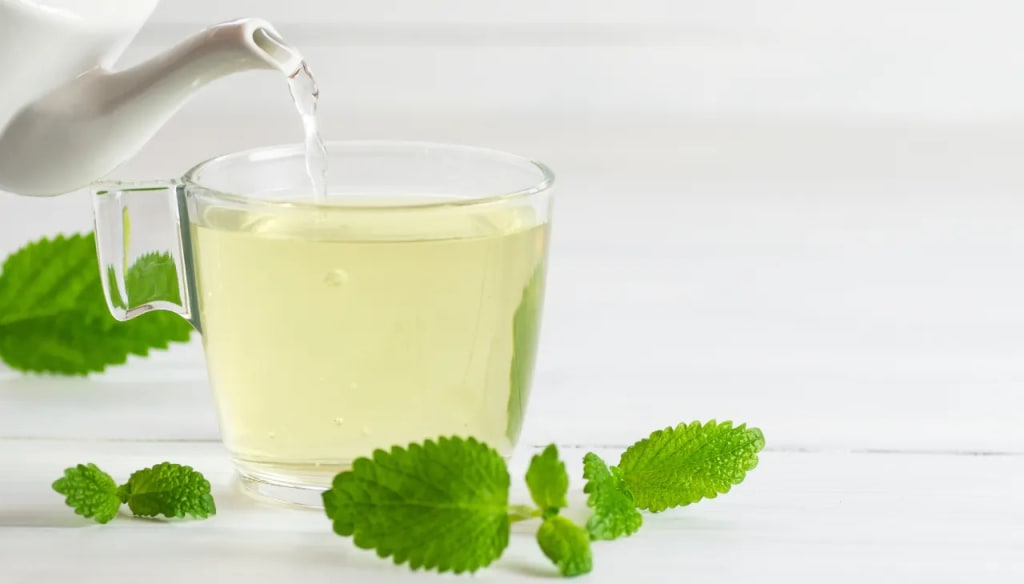
Does lemon balm help with weight loss? Lemon balm may aid weight loss by reducing stress, improving sleep, and supporting digestion, which helps control appetite and bloating. While not a direct fat-burner, it complements a healthy diet and exercise, making it a natural addition to your wellness routine.
Lemon balm (Melissa officinalis), a fragrant herb from the mint family, is known for its calming effects and lemony flavor. Used for centuries to ease stress and promote wellness, it’s now popular for weight management due to its potential to lower cortisol, enhance sleep, and reduce digestive discomfort. This comprehensive guide, reviewed by a registered dietitian, explores the science behind lemon balm for weight loss, practical ways to use it, potential risks, and a refreshing detox drink recipe to support your goals.
What Is Lemon Balm?
What is lemon balm? Lemon balm is a perennial herb native to Europe, North Africa, and West Asia, valued for its soothing properties and citrusy scent. Its active compounds, like rosmarinic acid and flavonoids, support relaxation and digestion, which may indirectly aid weight loss.
Forms: Available as tea, capsules, tinctures, essential oils, and fresh leaves.
Traditional Uses: Relieves stress, improves sleep, and eases digestive issues.
Modern Appeal: Popular in wellness for its versatility in teas, supplements, and recipes.
How Does Lemon Balm Help You Lose Weight?
Lemon balm supports weight loss through indirect mechanisms that address stress, sleep, and appetite. Here’s how it works:
1. Reduces Stress and Cortisol Levels
Can lemon balm reduce stress-related weight gain? Lemon balm lowers cortisol, a hormone linked to stress-induced overeating and belly fat. Its calming effects help curb emotional eating.
Science: A 2024 review found lemon balm reduces anxiety by increasing GABA, a calming neurotransmitter (PubMed).
Impact: Less stress means fewer cravings for sugary or high-calorie foods.
2. Improves Sleep Quality
Does lemon balm help with sleep and weight loss? Lemon balm promotes restful sleep, which regulates hunger hormones like ghrelin and leptin, reducing appetite.
Science: A 2021 study showed 500 mg of lemon balm improved sleep in 54% of participants post-surgery (PubMed).
Impact: Better sleep supports appetite control and energy for exercise.
3. Supports Digestive Health
Can lemon balm reduce bloating? Lemon balm’s carminative properties ease gas, bloating, and indigestion, supporting efficient digestion for weight loss.
Science: Studies suggest lemon balm soothes digestive discomfort (WebMD).
Impact: Less bloating enhances comfort and motivation for healthy habits.
4. Stabilizes Blood Sugar
Does lemon balm help with cravings? Lemon balm may improve blood sugar regulation, reducing energy crashes and sugar cravings.
Science: A 2021 animal study showed lemon balm enhanced insulin sensitivity in diabetic rats (PubMed).
Impact: Stable blood sugar supports calorie control.
5. Promotes Feelings of Fullness
Can lemon balm curb appetite? Lemon balm may increase satiety by influencing GABA, reducing the urge to snack.
Science: A 2022 review linked lemon balm’s calming effects to reduced emotional eating (PubMed).
Impact: Feeling fuller helps with portion control.
What Does Science Say About Lemon Balm for Weight Loss?
Is lemon balm effective for weight loss? Research suggests lemon balm supports weight loss indirectly through stress relief, better sleep, and digestion, but direct fat-burning effects are unproven.
Animal Studies: A 2019 study found lemon balm extract (ALS-L1023) reduced weight gain in obese rats (PubMed). Another showed improved liver health in rats with steatohepatitis.
Human Studies: A 2022 review noted lemon balm’s anxiety-reducing effects, which may curb appetite (PubMed). A small study found 0.3 grams of lemon balm improved mood.
Limitations: More human studies are needed to confirm direct weight loss benefits.
Verdict: Lemon balm is a supportive tool for weight loss when paired with a balanced diet and exercise, not a standalone solution.
How to Use Lemon Balm for Weight Loss
How can you use lemon balm for weight loss? Lemon balm is versatile and easy to incorporate. Here are five effective methods:
Lemon Balm Tea
Steps: Steep 1–2 tsp dried lemon balm leaves in 1 cup hot water for 10 minutes. Drink 1–4 times daily.
Best Time: After meals for digestion or before bed for sleep.
Tip: Add ginger or lemon juice for flavor and metabolism boosts.
Lemon Balm Supplements
Dosage: Take 300–600 mg capsules, 1–3 times daily (consult a doctor).
Best for: Those preferring precise dosing.
Note: Choose third-party tested supplements.
Lemon Balm Tincture
How: Add 10–20 drops to water or tea, 1–3 times daily.
Best for: Fast absorption.
Caution: Follow dosing instructions.
Lemon Balm Essential Oil
How: Use in a diffuser for stress relief (not for ingestion).
Best for: Aromatherapy to prevent emotional eating.
Lemon Balm Detox Drink
How: See the recipe below for a weight loss-focused drink.
Best for: Hydration and digestive support.
Lemon Balm Detox Drink Recipe
How do you make a lemon balm detox drink for weight loss? This refreshing drink combines lemon balm with metabolism-boosting ingredients to support weight loss and digestion.
Ingredients:
1 cup fresh lemon balm leaves (or 2 tbsp dried)
1-inch fresh ginger, grated
Juice of 1 lemon
1–2 tsp honey (optional, for sweetness)
4 cups water
Fresh mint leaves (for garnish)
Instructions:
Boil 4 cups of water in a saucepan.
Turn off heat, add lemon balm leaves and ginger, and steep for 10–15 minutes.
Strain into a pitcher.
Add lemon juice and honey (if using), stirring well.
Chill in the refrigerator or serve over ice with mint garnish.
Drink 1–2 cups daily.
Benefits:
Lemon balm: Reduces stress and bloating.
Ginger: Boosts metabolism and digestion.
Lemon juice: Supports detoxification and vitamin C intake.
Storage: Refrigerate for up to 3 days. Shake before serving.
Lemon Balm vs. Other Weight Loss Herbs
How does lemon balm compare to other weight loss herbs? This table compares lemon balm with popular herbs for weight loss:
Herb
Key Benefit
Weight Loss Mechanism
Best For
Lemon Balm
Stress relief, sleep support
Lowers cortisol, improves satiety
Stress-related weight gain
Green Tea
Metabolism boost
Caffeine and catechins burn fat
Direct fat-burning
Ginger
Thermogenesis, digestion
Increases metabolism, reduces bloating
Digestive support, metabolism
Peppermint
Digestion, bloating relief
Soothes stomach, reduces appetite
Bloating and appetite control
Cinnamon
Blood sugar regulation
Stabilizes glucose, reduces cravings
Craving control
Cayenne
Thermogenesis
Capsaicin boosts metabolism
Calorie burning
Why Choose Lemon Balm? Its calming effects make it ideal for stress-driven weight gain, complementing stimulant-based herbs like green tea or cayenne.
Potential Risks and Side Effects
Is lemon balm safe for weight loss? Lemon balm is generally safe in food amounts (e.g., tea), but high doses may cause side effects. Consult a doctor before use.
Side Effects: Nausea, dizziness, or increased appetite (rare).
Interactions: May interact with sedatives, thyroid medications, or HIV drugs.
Precautions:
Avoid during pregnancy or breastfeeding due to limited safety data.
Use cautiously with thyroid conditions or in children/elderly.
Allergies: Stop use if rash or breathing issues occur.
Tip: Start with a low dose (e.g., 1 cup tea) and track effects in a journal.
Tips to Maximize Lemon Balm’s Weight Loss Benefits
How can you get the most out of lemon balm for weight loss? Combine lemon balm with these habits:
Eat a balanced diet with whole foods (fruits, vegetables, lean proteins).
Exercise 150 minutes weekly (e.g., walking, yoga, or strength training).
Practice mindfulness or meditation to enhance stress relief.
Drink plenty of water to support digestion and metabolism.
Use lemon balm consistently for 4–8 weeks to notice benefits.
Frequently Asked Questions (FAQs)
1. Can lemon balm tea reduce belly fat?
Lemon balm may help reduce belly fat by lowering cortisol, which contributes to abdominal fat storage. Combine with diet and exercise for results.
2. How does lemon balm tea help you lose weight?
Lemon balm tea reduces stress, improves sleep, and eases bloating, helping control appetite and support digestion. Drink 1–2 cups daily.
3. Is lemon balm safe for daily use?
Yes, 1–4 cups of lemon balm tea daily is safe for most people. Consult a doctor if you take medications or have health conditions.
4. Is lemon balm better than lemon water for weight loss?
Lemon balm targets stress and sleep, while lemon water hydrates and provides vitamin C. Using both together maximizes benefits.
5. How long does it take to see weight loss results with lemon balm?
Subtle benefits like less bloating or appetite control may appear in 4–8 weeks with consistent use, diet, and exercise.
6. Are there lemon balm weight loss reviews?
Users on social media report reduced bloating and stress eating with lemon balm, but scientific evidence is limited. Verify claims critically.
7. Can lemon balm be combined with other herbs for weight loss?
Yes, lemon balm pairs well with ginger, green tea, or peppermint to enhance digestion, metabolism, and stress relief.
8. Does lemon balm have calories?
Lemon balm tea has negligible calories (less than 5 per cup), making it a low-calorie option for weight loss.
Conclusion
Lemon balm for weight loss is a natural, supportive tool that reduces stress, improves sleep, and aids digestion, helping you manage appetite and bloating. While not a magic solution, it enhances a healthy lifestyle. Try our detox drink recipe or explore other herbal weight loss tips. Subscribe for weekly health insights and share your lemon balm experience in the comments!
About the Creator
Cleta D Harrison
Cleta D. Harrison is a skilled medical billing expert with 10+ years of experience in claims processing, coding, and revenue cycle management. Known for accuracy, compliance, and streamlining billing operations across healthcare settings.
Keep reading
More stories from Cleta D Harrison and writers in Journal and other communities.
Understanding Place of Service (POS) Codes in Medical Billing
Imagine going to the doctor for a checkup. The doctor helps you, but how does the doctor get paid? There’s a special system called medical billing that helps doctors, hospitals, and insurance companies figure out how much money is owed for your visit. A big part of this system is something called Place of Service (POS) codes. These codes tell everyone where you got your medical care—like at a doctor’s office, a hospital, or even your home!
By Cleta D Harrison8 months ago in Journal
The goals I did not achieve
Every writing goal I made for the year is a wash. It has been this way for a while, but I think it's important to be open about my failures and the reality of how life can get in the way. This is especially true considering the several times I have posted on Vocal about my writing goals, how I was changing my approach, and where I was hoping to be for the upcoming year. I will probably do that again in a couple months, but for now, it is time to acknowledge where I am today.
By Kay Husnick21 days ago in Journal
The Eucharist: Why Catholics Believe in the Real Presence
The Eucharist is the center of Catholic life and worship. At Mass, Catholics receive the Body and Blood of Christ under the forms of bread and wine, a belief that sets Catholicism apart from many other Christian traditions. This doctrine, known as the Real Presence, teaches that Jesus Christ is truly present in the Eucharist, not symbolically or metaphorically, but in reality. Understanding why Catholics believe this and how it impacts their lives can deepen appreciation for this sacred sacrament.
By Sound and Spirit3 days ago in Journal



Comments
There are no comments for this story
Be the first to respond and start the conversation.