
LED Grow Lights: 3 Steps to a Thriving, Energy-Saving Indoor Plant
LED Grow Lights

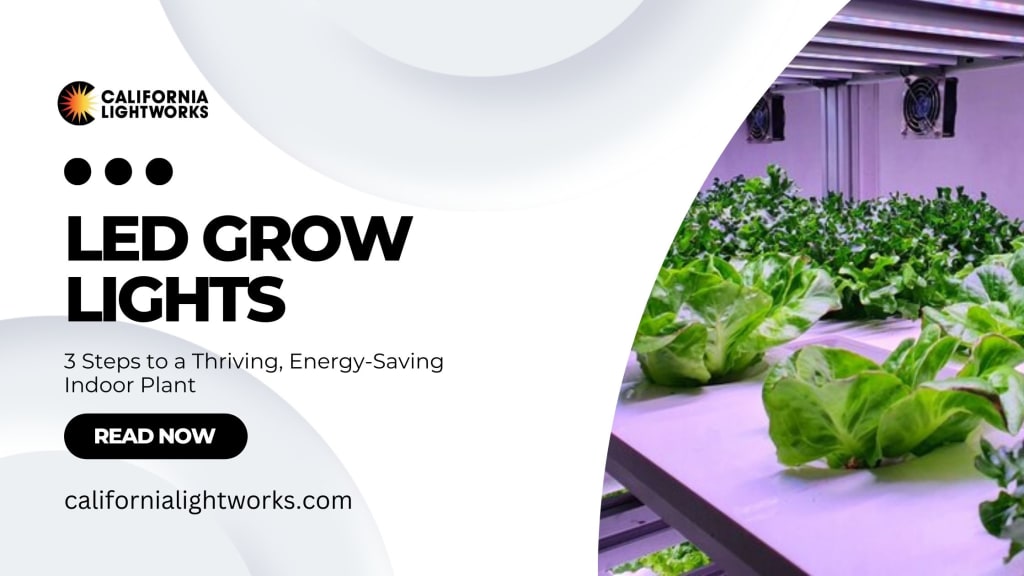
Growing plants indoors can be challenging without the right lighting. Natural sunlight is often insufficient, especially during the winter months or in spaces without adequate windows. This is where LED grow lights for indoor plants come in. These lights offer a practical and efficient solution, ensuring your indoor garden flourishes year-round. In this guide, we’ll discuss three essential steps to help you achieve a thriving, energy-saving indoor plant setup.
Step 1: Choose the Right LED Grow Lights for Indoor Plants
Understanding LED Grow Lights
LED grow lights are specialized lighting solutions designed to mimic the natural spectrum of sunlight. They provide the necessary wavelengths that plants require for photosynthesis, promoting healthy growth and development. Unlike traditional lighting options, LED grow lights are energy-efficient and produce less heat, making them ideal for indoor gardening.
Factors to Consider When Choosing Indoor LED Grow Lights
Light Spectrum: Different stages of plant growth require different light spectrums. Seedlings and young plants benefit from blue light, while red light is crucial for flowering and fruiting stages. Full-spectrum LED grow lights cover the entire range, making them versatile for all growth stages.
Light Intensity: The intensity of light needed varies based on the type of plant and its growth stage. High-intensity lights are suitable for light-loving plants like tomatoes and peppers, while lower intensity works for leafy greens and herbs.
Coverage Area: Ensure the grow light covers the entire area where your plants are located. Measure your growing space and choose a light that provides even coverage without leaving dark spots.
Energy Efficiency: LED grow lights are known for their energy efficiency. Look for lights with high efficacy ratings, which indicate the amount of usable light per watt consumed.
Recommended LED Grow Lights
Spider Farmer SF Series: Known for its high efficiency and full-spectrum light, this series is great for both beginners and experienced gardeners.
VIPARSPECTRA XS Series: Offers excellent light distribution and intensity control, ideal for various plant types.
Phlizon COB Series: Combines COB and LED technology for enhanced light penetration and energy savings.
Step 2: Setting Up Your Indoor LED Grow Lights
Placement and Installation
Proper placement and installation of your grow lights are crucial for optimal plant growth. Follow these guidelines to ensure your setup is effective:
Distance from Plants: Position the lights at the right distance to avoid burning the plants or providing insufficient light. Generally, LED grow lights should be placed 12-24 inches above the plants. Adjust based on the light intensity and plant type.
Mounting Options: Use adjustable hangers or brackets to easily modify the height of the lights as your plants grow. This flexibility ensures consistent light coverage.
Reflective Surfaces: Use reflective materials like Mylar or white walls to maximize light distribution. These surfaces help bounce light back onto the plants, reducing wasted light and improving overall efficiency.
Light Schedules
Plants have different light requirements depending on their growth stage. Establishing a consistent light schedule is essential:
Seedlings and Vegetative Stage: Provide 16-18 hours of light daily. This extended light period supports robust root and leaf development.
Flowering and Fruiting Stage: Reduce the light to 12 hours daily. This mimic the natural change in daylight hours and encourages flowering and fruiting.
Use timers to automate the light schedule, ensuring consistency and preventing human error.
Monitoring and Adjusting
Regularly monitor your plants and adjust the light settings as needed:
Signs of Light Stress: Watch for signs of light stress, such as leaf curling, bleaching, or wilting. These indicate the lights may be too close or too intense.
Growth Patterns: Adjust the height and intensity of the lights based on plant growth patterns. Taller plants may require lights to be raised, while shorter, bushier plants might benefit from closer light placement.
Step 3: Maintaining Your Indoor Garden with LED Grow Lights
Regular Maintenance
Maintaining your grow lights and indoor garden ensures long-term success:
Clean the Lights: Dust and debris can reduce light efficiency. Clean the light surface regularly with a soft cloth to maintain optimal performance.
Check Connections: Inspect electrical connections and mounting hardware to ensure they are secure and functioning correctly.
Replace as Needed: Although LED grow lights have a long lifespan, they eventually degrade. Replace them when you notice a significant drop in light output.
Optimizing Plant Health
In addition to proper lighting, consider other factors that contribute to plant health:
Watering: Adjust your watering schedule based on plant needs and environmental conditions. Overwatering and underwatering can both harm plants.
Nutrients: Use high-quality fertilizers to provide essential nutrients. Follow a feeding schedule suitable for the plant type and growth stage.
Air Circulation: Ensure good air circulation around your plants to prevent mold and pests. Use fans if necessary to improve airflow.
Troubleshooting Common Issues
Be proactive in addressing common indoor gardening issues:
Pests and Diseases: Regularly inspect your plants for signs of pests and diseases. Use organic pest control methods and remove affected leaves promptly.
Nutrient Deficiencies: Yellowing leaves, stunted growth, and poor flowering can indicate nutrient deficiencies. Adjust your fertilization routine accordingly.
Environmental Factors: Monitor temperature and humidity levels. Most indoor plants thrive in temperatures between 65-75°F and humidity levels of 40-60%.
Conclusion
Using LED grow lights for indoor plants is a smart way to achieve a thriving indoor garden while saving energy. By choosing the right lights, setting them up correctly, and maintaining your garden diligently, you can enjoy healthy, vibrant plants year-round. Remember to monitor and adjust your setup based on your plants' needs, and you'll be rewarded with a beautiful and productive indoor garden.
Incorporating these steps into your indoor gardening routine ensures that your plants receive the optimal light and care they need to flourish. Embrace the benefits of LED grow lights for indoor gardens and enjoy the satisfaction of nurturing your plants to their full potential.
About the Creator
California LightWorks
Illuminate your indoor crops with California LightWorks, the premier choice for the best LED grow lights. Experience optimal growth and maximum yields with our cutting-edge LED technology.
Keep reading
More stories from California LightWorks and writers in Journal and other communities.
Top Types of Grow Lights for Greenhouse Use
Greenhouses create a controlled environment that helps plants thrive throughout the year. To maintain healthy growth, it's critical to choose the right grow lights for greenhouse cultivation. The right lighting supports photosynthesis, extends growing seasons, and increases yield potential. This article will guide you through the top types of grow lights suited for greenhouses and how they compare in performance.
By California LightWorks9 months ago in Journal
Mastering Dark Social Growth Through Smarter Online MIS Communication Strategies
Dark social has quietly become one of the most influential growth channels in the digital economy. It includes all the private, untrackable sharing that happens through messaging apps, emails, closed communities, and direct links copied between people. While brands often chase public engagement metrics, real trust and buying decisions increasingly occur behind the scenes, beyond traditional analytics.
By Sanjeev Kumar3 days ago in Journal



Comments
There are no comments for this story
Be the first to respond and start the conversation.