
Learning to Give Back: Exploring Local Volunteer Opportunities
Learn how to discover and engage in local volunteer opportunities to support your community while gaining valuable personal and social growth.

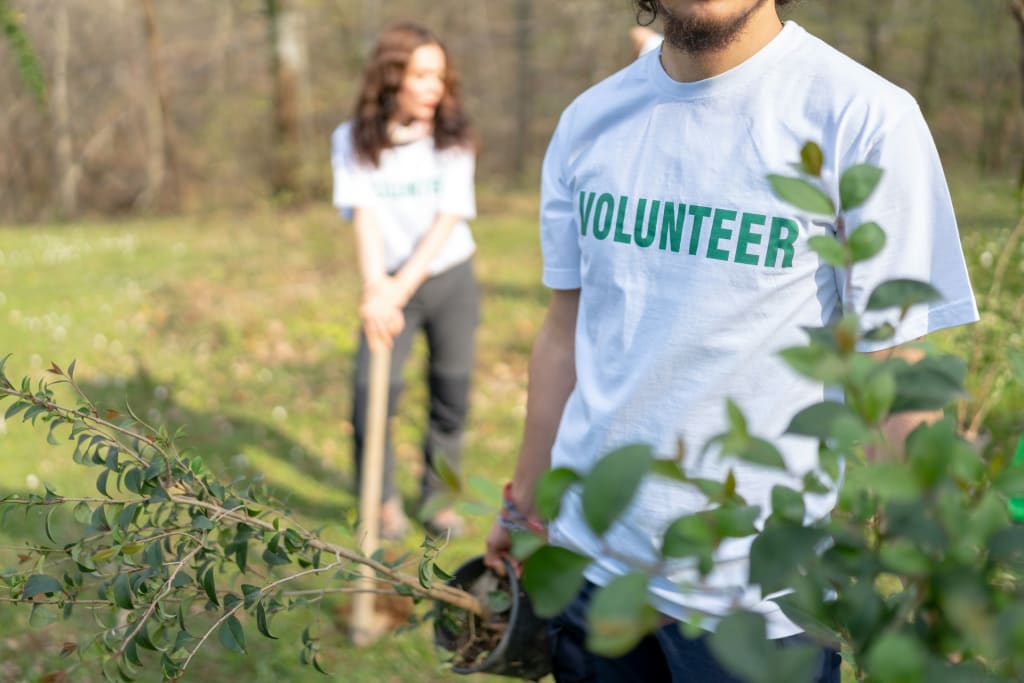
Local volunteer opportunities are an essential part of community development and civic education. They teach individuals how their time, skills, and compassion can be used to solve real-world problems close to home. Through volunteering, people not only assist those in need but also gain firsthand knowledge about social issues, teamwork, and the value of empathy. Understanding the importance of local volunteer opportunities helps individuals recognize that every community, regardless of size, benefits from active participation.
When you volunteer locally, you are engaging in experiential learning. This means you are learning through direct action and reflection. Helping at a food bank, for instance, teaches you about food insecurity, logistics, and the importance of collaboration. Volunteering with an environmental group can deepen your understanding of sustainability and conservation. Every volunteer activity offers educational value that strengthens both individual character and social responsibility.
Moreover, volunteering enhances civic awareness. It helps citizens understand how community systems operate, what challenges local organizations face, and how public support influences positive outcomes. This type of learning fosters empathy, responsibility, and a lifelong commitment to service. Local volunteer opportunities are, therefore, not just acts of kindness—they are classrooms for personal and community education.
Discovering Local Volunteer Opportunities That Fit Your Interests
Finding the right local volunteer opportunities requires a thoughtful and informed approach. Before getting started, it is helpful to identify your interests and personal goals. Reflect on what causes resonate most with you—education, healthcare, environmental protection, or social welfare. Understanding your motivation ensures that your efforts are both meaningful and sustainable.
The process of discovering local volunteer opportunities can begin at community institutions such as libraries, community centers, or local government offices. These places often maintain updated directories of charitable organizations seeking assistance. Speaking with staff or attending community meetings can provide valuable insights into ongoing projects and upcoming events.
Digital platforms have also made volunteering more accessible. Websites like VolunteerMatch, Idealist, and All for Good are excellent educational tools for learning about different organizations and their missions. By entering your location and interests, you can explore numerous local volunteer opportunities suited to your schedule and abilities. Additionally, following local charities on social media can keep you informed about immediate needs and upcoming initiatives.
Learning about virtual volunteering is another important aspect. Not all charitable work requires physical presence. Online mentoring, digital marketing support, or content creation are examples of remote contributions that help charities function effectively. Understanding these digital opportunities broadens your ability to participate, even when mobility or time constraints exist.
Developing Skills Through Local Volunteer Opportunities
Participating in local volunteer opportunities is one of the most effective ways to develop practical and interpersonal skills. From communication and leadership to problem-solving and teamwork, volunteering provides a unique educational environment for learning by doing.
When you volunteer, you learn to manage time effectively, adapt to diverse groups, and handle responsibilities with accountability. For students, this experience can complement formal education by providing real-world applications of classroom knowledge. For professionals, volunteering offers a way to refine leadership abilities, expand networks, and understand community needs more deeply.
The learning process does not stop at technical skills. Volunteering encourages emotional intelligence and cultural awareness. Working alongside people from different backgrounds allows you to appreciate diverse perspectives and develop empathy—qualities essential in both personal and professional life.
Moreover, engaging with local charities teaches the importance of persistence and humility. Not every task is glamorous, and sometimes progress feels slow. But these experiences help volunteers understand that meaningful change requires patience and collective effort. Through consistent participation in local volunteer opportunities, individuals learn how small, consistent actions can contribute to long-term societal improvement.
Building Lasting Community Connections Through Local Volunteer Opportunities
One of the most valuable educational aspects of local volunteer opportunities is the ability to build lasting relationships within the community. Volunteering creates bridges between people who may otherwise never meet—students, retirees, professionals, and community leaders working side by side toward shared goals. This cooperation fosters a deeper understanding of community dynamics and social structures.
As volunteers engage regularly, they often discover how different sectors—nonprofits, schools, businesses, and governments—collaborate to address local issues. This insight offers an education in community organization and policy-making, helping volunteers see how grassroots efforts influence broader systems. By observing these processes firsthand, volunteers become more informed citizens capable of contributing ideas and solutions.
Long-term involvement also teaches commitment and leadership. Many volunteers eventually take on mentoring roles, guiding new participants and sharing their experiences. This transfer of knowledge strengthens the volunteer community and ensures continuity in charitable efforts. Over time, dedicated individuals can even help design and lead new projects, applying what they have learned to create more efficient and impactful programs.
Building these connections also nurtures social capital—a network of trust and cooperation that benefits everyone involved. It transforms volunteering from a temporary activity into a lifelong learning experience rooted in compassion and mutual support.
Applying Knowledge Beyond Local Volunteer Opportunities
The education gained through local volunteer opportunities extends beyond community service. It equips individuals with practical wisdom that can be applied in schools, workplaces, and daily life. Volunteering teaches problem-solving, communication, and adaptability—skills that are universally valuable in any environment.
For students, experiences gained through local volunteering can enhance academic studies. Subjects like social studies, environmental science, or public health become more meaningful when connected to real-world experiences. For professionals, volunteering offers continuous learning outside the office, allowing them to test new ideas, refine leadership approaches, and gain a deeper sense of purpose.
Charitable engagement also encourages lifelong learning. Each experience provides a chance to acquire new information, whether it’s understanding nonprofit operations, learning about local policies, or discovering cultural traditions within your community. In this way, local volunteer opportunities serve as ongoing educational platforms for personal development and civic growth.
Finally, sharing what you learn through volunteering multiplies its impact. Teaching others about the importance of service, writing about your experiences, or encouraging peers to get involved spreads awareness and inspires new learners to participate. Education, when combined with action, becomes a powerful catalyst for lasting change.
Learning to Change the World Locally
Local volunteer opportunities are more than charitable activities—they are educational experiences that shape individuals into informed, compassionate citizens. Through volunteering, people learn to engage actively with their communities, understand societal challenges, and contribute to meaningful solutions. Every task, from small acts of service to leading community projects, teaches valuable lessons about empathy, cooperation, and leadership.
When you participate in local volunteer opportunities, you are not only helping others—you are also learning how to make the world a better place. This form of community education transforms personal growth into collective progress, reminding us that meaningful change begins with understanding, action, and heart. By giving your time and energy, you are both a student and a teacher in the ongoing lesson of humanity.
About the Creator
Joe Sottolano
Joe Sottolano is a championship-winning player and coach with 23 years of NCAA Division I experience, known for integrity, leadership, and player development.
Keep reading
More stories from Joe Sottolano and writers in Journal and other communities.
Affordable Adventures: Top Family Vacation Ideas for Every Budget
Family vacations create memories that last a lifetime, providing opportunities to explore new places, relax, and strengthen bonds. However, many families worry about cost, assuming that memorable trips must come with a hefty price tag. The truth is, families can enjoy vacations of all kinds, whether on a tight budget or with more flexibility. By planning thoughtfully and prioritizing experiences, every family can find ways to make their vacation enjoyable and meaningful.
By Joe Sottolano5 months ago in Education
The Piggy Project
I’ve had so many names in this life I lose track of which ones were ever really mine and which ones I wore because someone needed me to. Some were handed to me before I had words to refuse them, before I knew what they meant, before I knew I could say no. Most weren’t meant to hurt. That doesn’t mean they didn’t leave marks. Marks that told me who I belong to, who I am by way of who claims me, recognizes me in the good and bad, who walks beside me.
By Fatal Serendipity6 days ago in Confessions


Comments
There are no comments for this story
Be the first to respond and start the conversation.